Arizona approves Springerville Unit 4 coal-to-gas conversion
Arizona regulators approved Springerville Unit 4’s coal-to-gas switch, keeping 400 megawatts in Apache County and extending the plant’s life to late 2029.
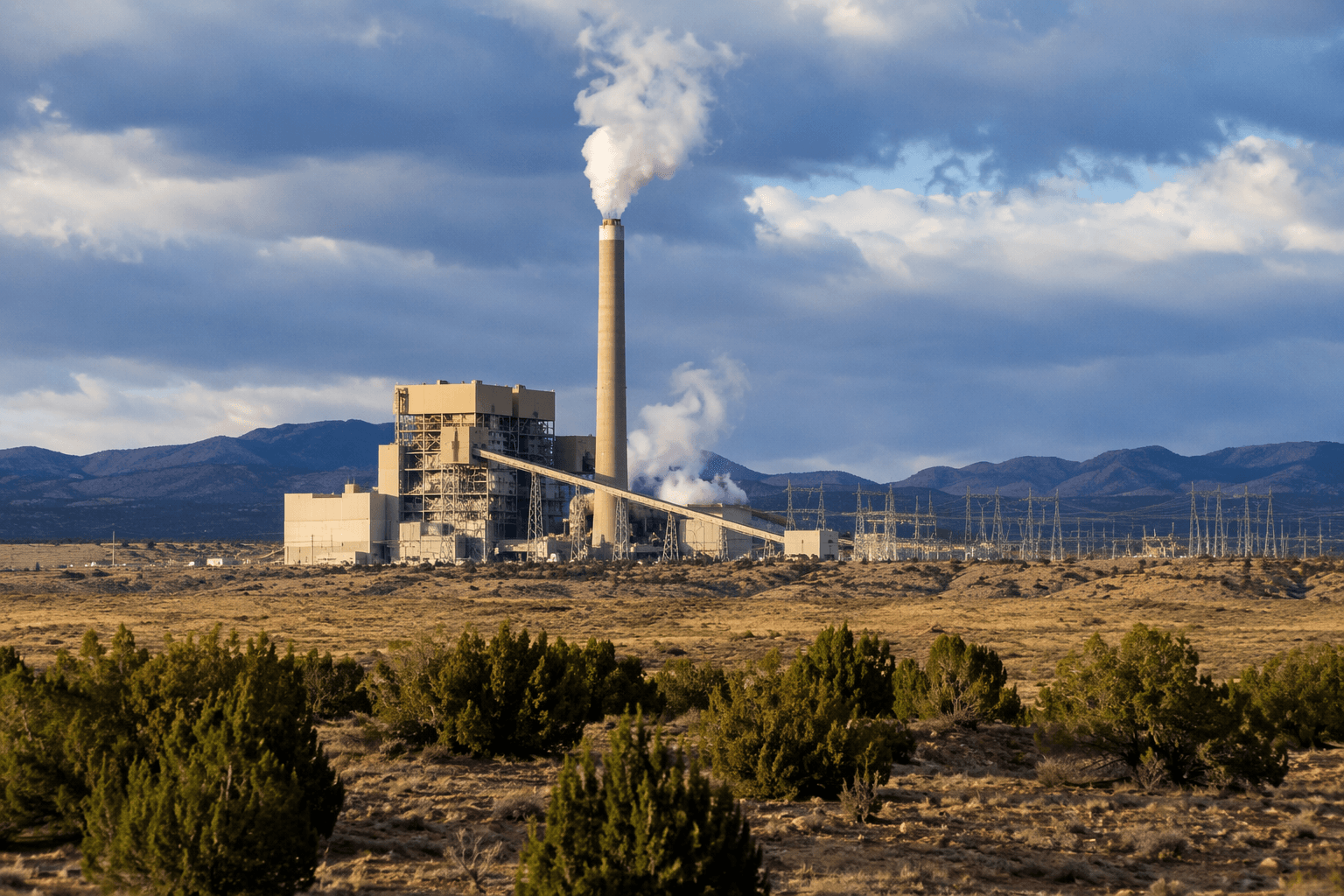
Arizona regulators cleared Salt River Project to convert Springerville Unit 4 from coal to natural gas, keeping a 400-megawatt unit in Apache County online instead of retiring it. SRP says the work will preserve enough capacity to serve about 90,000 homes and finish by late 2029.
The Arizona Corporation Commission approved the amendment to the plant’s Certificate of Environmental Compatibility, allowing Unit 4’s coal-fired boilers to be converted to gas-fired equipment. The commission later voted unanimously on March 4, 2026, to approve conversions at both the Springerville and Coronado coal generating stations, signaling that Arizona’s largest utilities are now treating gas conversion as a bridge to keep older plants running.
Springerville is a four-unit coal-fired generating station, and the changes are being rolled out unit by unit rather than all at once. Tucson Electric Power announced plans earlier in 2025 to convert Springerville Units 1 and 2, then filed an application in December 2025 to amend the certificate for those units. SRP says its Unit 4 conversion is the lowest-cost option to preserve the plant’s 400-megawatt generating capacity.
For Apache County and the town of Springerville, the stake is less about abstract utility policy than about whether the plant keeps its economic footprint. Tucson Electric Power has said the Springerville repower is meant to maintain reliable energy at the lowest cost, reduce carbon emissions by 40% on the converted units and support jobs. A conversion keeps the station operating and avoids the sharper break that would come with a coal shutdown.
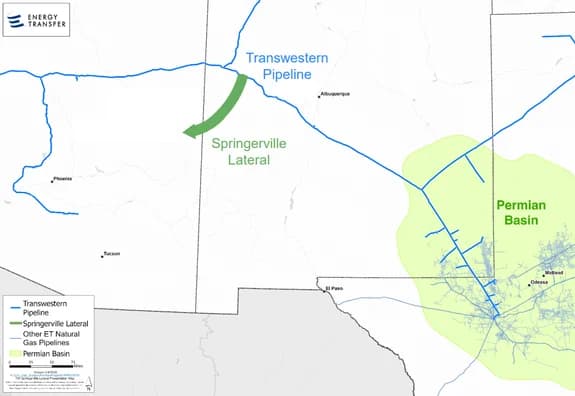
The tradeoff is that the plant will still depend on fossil fuel, only now natural gas instead of coal. That fuel switch will rely on new pipeline infrastructure from Energy Transfer, which has announced a gas line project aimed at growing Southwestern markets. One related project has been described as a 120-mile pipeline with 625 MMcf/d of capacity backed by 20-year contracts, tied in part to Arizona utility demand.
SRP says it plans to cease coal generation at the site and complete the conversion to natural gas by late 2029. For Springerville, that means the plant’s future is being preserved, but with a different fuel, a different supply chain and a smaller carbon footprint than the coal operation that has defined the site for decades.
This article was produced by Prism’s automated news system from verified source data, official records, and press releases, then run through automated quality and moderation checks before publishing. The system is built and supervised by the people who set the standards it runs under. Read our full AI policy.
Did this article answer your question?