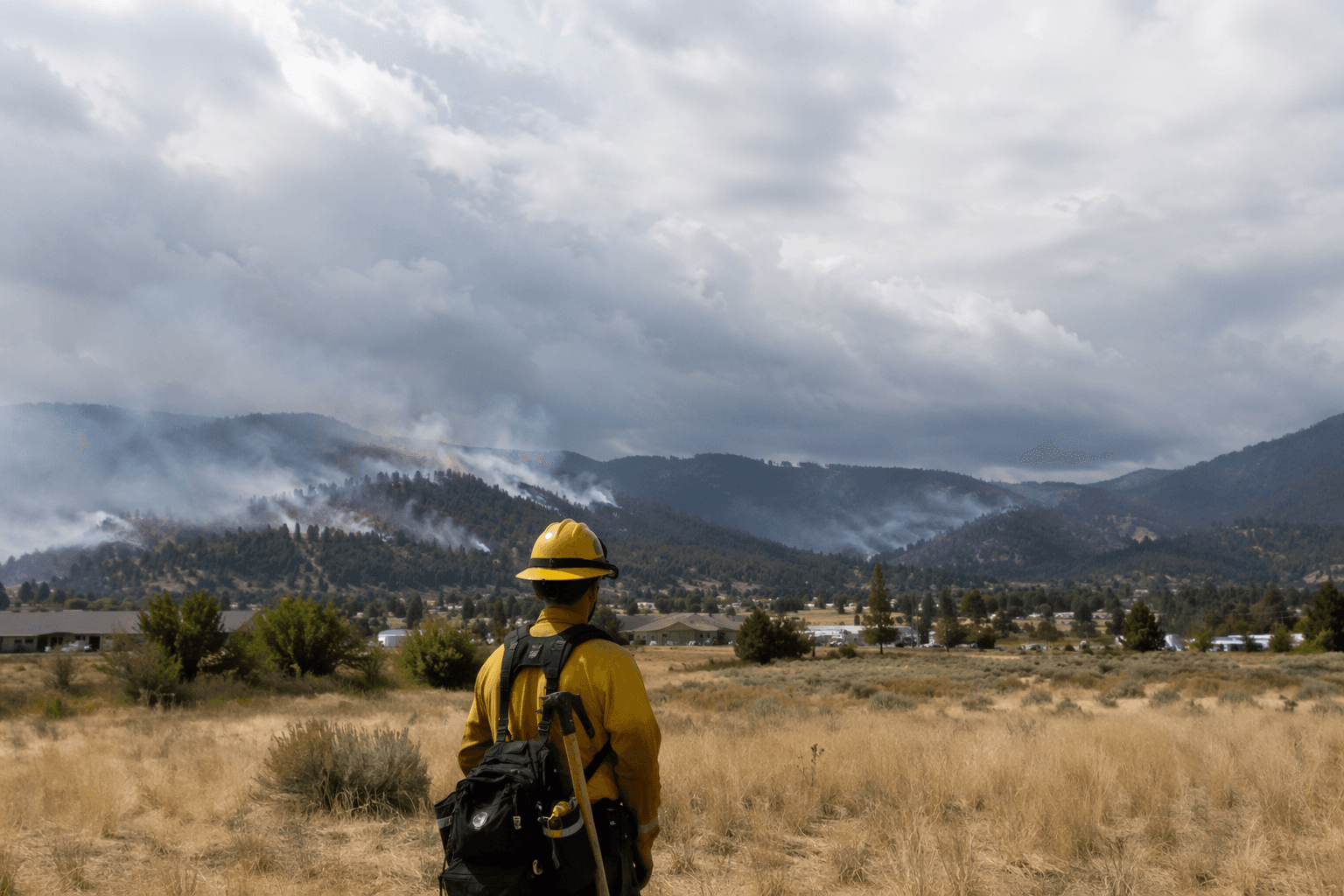
Arizona Contractors Say Procurement System Leaves Firms Idle
Private wildfire contractors across Arizona reported they were being sidelined by the U.S. Forest Service procurement and dispatch systems during major wildfire responses, leaving trained crews on standby while public agencies received most assignments and guaranteed reimbursements. The situation matters to Apache County residents because it reduces available suppression capacity, slows surge response, and raises questions about fair competition and emergency readiness across the region.
Private wildfire contractors operating under the U.S. Forest Service Virtual Incident Procurement program said they were routinely bypassed in favor of public agencies when major wildfires required mobilization. Contractors described standing contracts and crews ready to deploy, but said dispatch decisions and the current use of public cooperators resulted in those firms remaining idle while districts and municipal departments were given most call outs and automatic reimbursement assurances.
The mechanics of the procurement platform allow incident dispatchers and administrators to prioritize cooperators, defined as public fire districts and departments that enter agreements to support federal responses. Contractors argue that this practice narrows the practical market for suppression work even when private firms hold valid contracts under the VIPR system. The outcome, they contend, is less competition, reduced utilization of private capacity, and a missed opportunity to broaden surge options during peak fire season.

Local consequences for Apache County and surrounding communities are immediate. Contractors said the limited use of private crews can lengthen mobilization timelines and constrain available tactical resources when multiple incidents occur simultaneously. That pressure falls on public cooperators that may already be stretched thin, and on local residents who depend on timely containment to protect homes, infrastructure, grazing lands, and cultural sites. Independent firms also face economic strain when contracted availability does not translate into paid assignments, affecting families and local payrolls in a county where fire response capacity is critical.
Legal questions have been raised about whether concentrated assignment practices run afoul of federal antitrust principles and state procurement statutes. Observers and industry representatives called for clearer rules to ensure open competition, transparent dispatch criteria, and reimbursement parity so that private capacity can be integrated reliably into statewide suppression plans. Recommended policy fixes include more explicit dispatch protocols within VIPR, administrative review of cooperator prioritization, and measures to guarantee timely use of contracted private resources during incidents.
As agencies prepare for the next fire season, Apache County officials, emergency managers, and contractors will need to resolve these procurement and operational frictions to ensure rapid, equitable deployment of all available firefighting resources.
This article was produced by Prism’s automated news system from verified source data, official records, and press releases, then run through automated quality and moderation checks before publishing. The system is built and supervised by the people who set the standards it runs under. Read our full AI policy.
Did this article answer your question?