Arizona Law Forces Municipal Planning Decisions Into Staff Approval
A new state law, HB 2447 (Laws 2025, Chapter 31), requires municipalities to authorize administrative staff approval for many development actions that previously could trigger public hearings. Local planning commissioners and residents say the change, which took effect Dec. 31, 2025, reduces public visibility into development decisions and is prompting expedited local code rewrites across the region.
State legislation enacted in 2025 has reshaped how local governments handle many routine development approvals, shifting final authority from public hearings to administrative staff for projects that meet specified standards. HB 2447, codified as Laws 2025, Chapter 31, requires municipalities to permit staff-level approval for a range of actions including preliminary and final plats, lot line adjustments, site plans, and design review plans that meet "objective" standards. The law also removes the option for cities and towns to require a public hearing for those items.
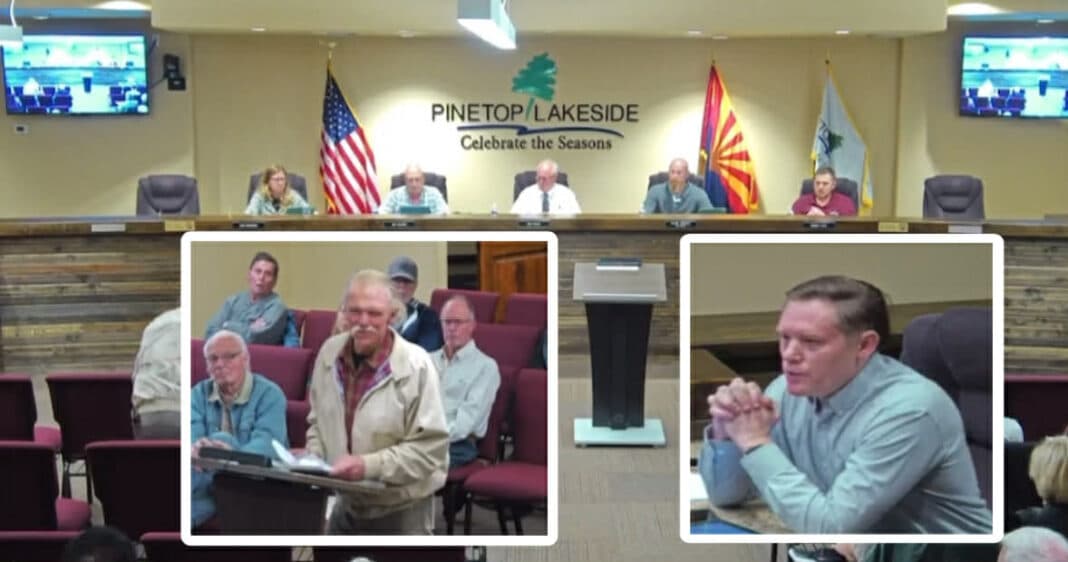
Local officials confronted the new rule during a Dec. 11 Pinetop-Lakeside Planning and Zoning meeting where staff and commissioners discussed proposed code amendments to bring municipal regulations into compliance. Officials described a compressed timeline: the statute took effect Dec. 31, 2025, leaving towns little time to update local ordinances, notification procedures, and administrative processes.
Commissioners and some residents raised concerns that shifting approvals to staff will reduce transparency and blunt community influence over development decisions that affect traffic, infrastructure, neighborhood character, and sensitive sites. In response, planning bodies are pursuing ways to preserve public input within the constraints of the new law. Proposed measures discussed at meetings include requiring developers to hold neighborhood meetings before submitting applications and strengthening notice requirements such as alerting property owners within a set distance of a proposed project.
The countywide implications are immediate. Municipal code revisions recommended by planning commissions will move to town councils for final adoption, often on an expedited schedule. Where councils lack the discretion to restore public hearings due to the statute, any wider restoration of local hearing authority would require action by the state legislature. Representative Walt Blackman, who represents Legislative District 7, criticized the measure as diminishing public participation during debates leading up to the law’s passage.
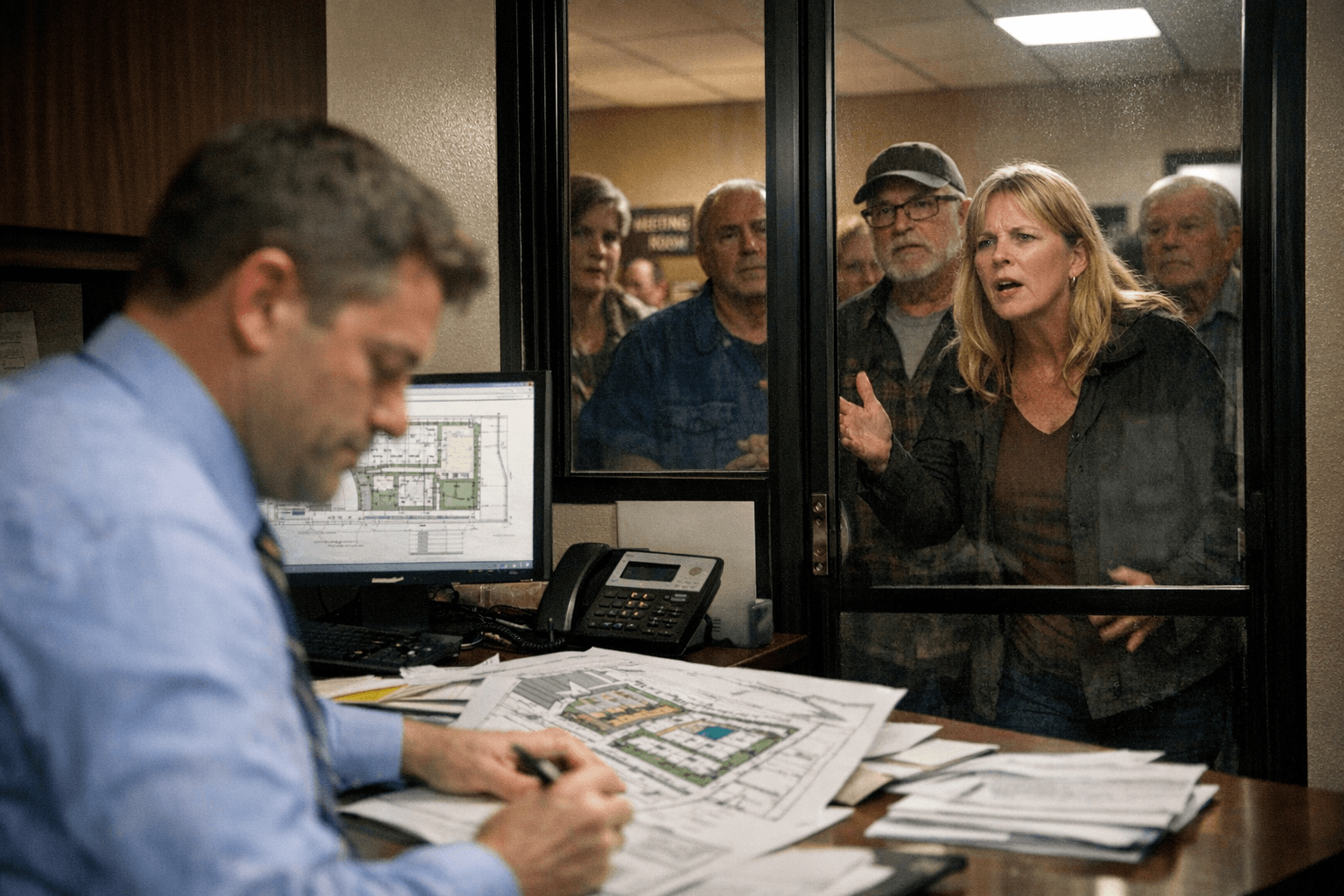
For Apache County residents, the change means some projects that once drew a public hearing could now be decided administratively, potentially shortening timelines for developers while narrowing formal opportunities for community comment. Residents wishing to influence local outcomes should monitor planning commission agendas, attend neighborhood meetings developers may be required to hold, and raise concerns directly with town councils and state legislators if they seek changes to the statutory framework.
As municipalities complete code updates, officials will need to balance legal compliance with efforts to maintain transparency and civic engagement so that routine administrative approvals do not become opportunities for sidelining local concerns.
This article was produced by Prism’s automated news system from verified source data, official records, and press releases, then run through automated quality and moderation checks before publishing. The system is built and supervised by the people who set the standards it runs under. Read our full AI policy.
Did this article answer your question?