Canyon de Chelly Balances Tourism and Tribal Land Stewardship
Canyon de Chelly National Monument is a living Diné landscape managed jointly by the National Park Service and the Navajo Nation, where families still farm and raise livestock amid Ancestral Puebloan and Navajo cultural sites. For Apache County residents and visitors, that arrangement shapes access, public safety, local economies, and health services, underscoring the need to follow permit and guide rules and to plan for remote medical and emergency realities.

Canyon de Chelly National Monument sits in the heart of northeastern Arizona on Navajo Tribal Trust Land and remains a living landscape where Diné families raise livestock and farm alongside preserved Ancestral Puebloan and Navajo architecture and rock art. The site is managed cooperatively by the National Park Service and the Navajo Nation, a partnership that affects how residents and visitors experience the canyon and how communities in Apache County derive economic and cultural benefits.
Most visitors take the paved North and South Rim drives and stop at overlooks such as the White House Overlook. Interior canyon access requires a backcountry permit and an authorized Navajo guide; ranger-led programs and authorized Navajo-guided canyon tours provide the most common ways to enter the canyon. There is no entrance fee. The Welcome Center offers orientation materials and a bookstore, and Cottonwood Campground, managed by Navajo Parks & Rec, is the local public campground option. For up-to-date conditions, program schedules, and contact details, the National Park Service maintains the monument’s official pages with park alerts and visitor guidance: nps.gov/cach/
That cooperative management and the presence of living families create specific public health and community implications. The canyon’s remoteness limits rapid emergency response and hospital access, a concern for Apache County where travel times to medical care can be long. Visitors who intend to hike the White House Trail when open or enter the interior must plan for heat exposure, falls, and limited cell service, and should use authorized guides who are familiar with terrain and safety procedures. Permits and guided trips reduce risk by routing visitors through known corridors and supporting local guides who provide both safety and income.
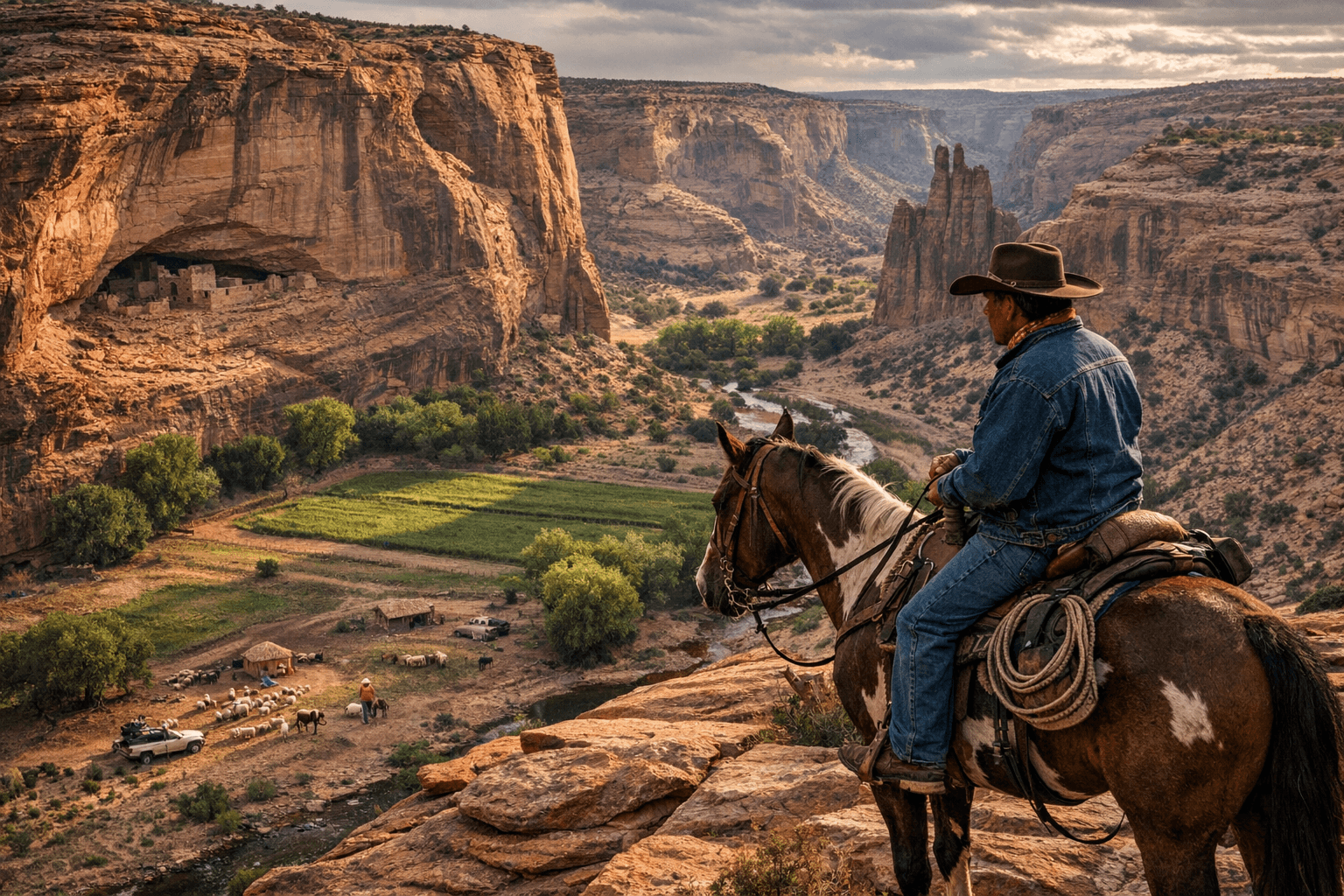
Tourism dollars flow into tribal communities through authorized tours, campground use, and the Welcome Center, but the arrangement also raises equity questions about control over land use, cultural preservation, and who benefits from visitor services. The Navajo Nation’s role in managing access and amenities reflects tribal sovereignty and provides local decision-making power over cultural sites and resources.
For residents and visitors alike, the guidance is clear: respect the living landscape and livestock, follow permit and guide requirements for interior access, and check official NPS pages for current alerts and visitor information. Thoughtful visitation supports public safety, protects cultural resources, and helps sustain the local economy while honoring Navajo stewardship of this unique national monument.
This article was produced by Prism’s automated news system from verified source data, official records, and press releases, then run through automated quality and moderation checks before publishing. The system is built and supervised by the people who set the standards it runs under. Read our full AI policy.
Did this article answer your question?