Church funds solar power for 100 Navajo Nation homes near Chinle
A solar kit replaced Colynn Begay’s 20-minute battery light near Chinle, but about 14,000 Navajo Nation homes still lack electricity.
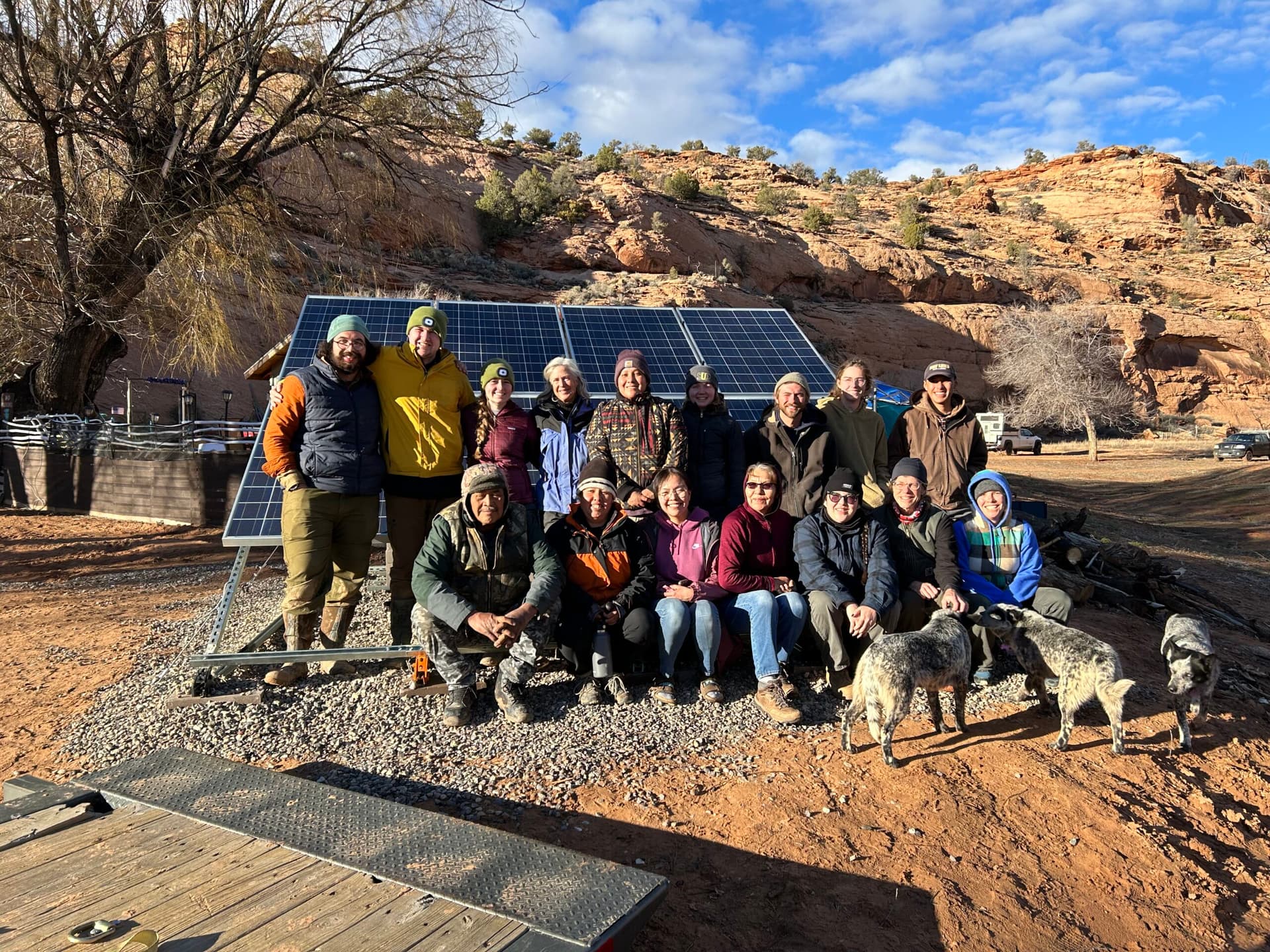
For Colynn Begay, the difference between no power and solar power was measured in homework, meals and bedtime. Before the installation near Chinle, she relied on a small battery-powered light that often lasted only 20 minutes, forcing her children to finish schoolwork immediately after getting home and making it hard to cook, get them ready for bed or even see into the kitchen at night.
The Church of Jesus Christ of Latter-day Saints funded solar installations for 100 homes in March 2026, working with Heart of America to bring power to families in northeastern Arizona. Heart of America also delivered age-appropriate educational and enrichment materials, part of a broader effort aimed at households with K-12 students that lack electricity. Church materials say about 14,000 homes on Navajo Nation tribal land still do not have power.
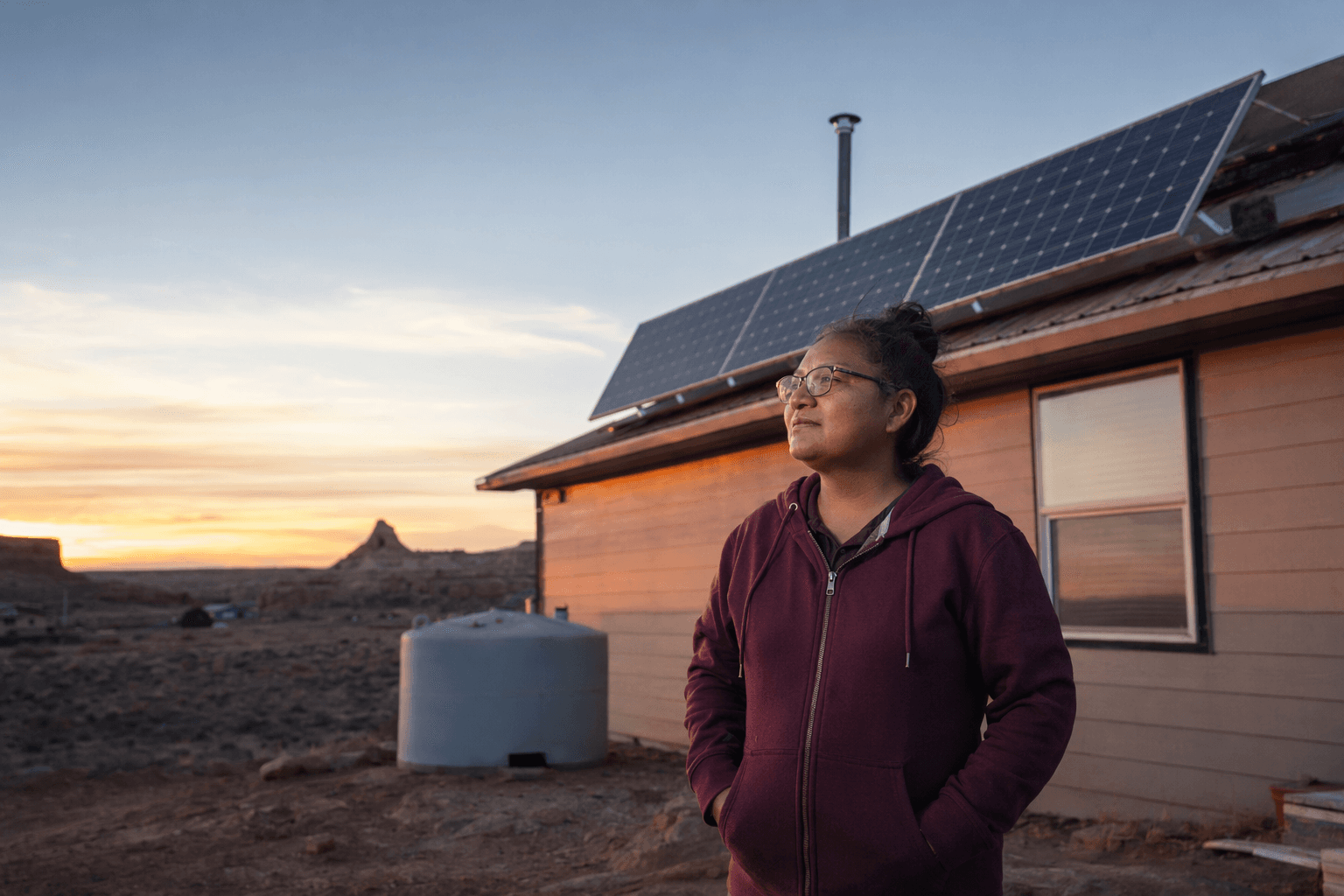
The need is especially visible in Chinle, a community in Apache County with a resident population of about 5,000 that serves more than 8,000 surrounding residents. The homes in the project sit about 30 minutes outside town in at least one documented case, underscoring how far many families still live from reliable utility service in the Navajo Nation, which covers about 22,537 square miles and includes about 170,000 residents. The nation was established by treaty in 1868.
Jill Heath, president and CEO of Heart of America, called home electricity a “game changer” for students and families. She said it gives children the ability to do homework after dark, read and connect with family, framing electricity as a basic educational need rather than a luxury. Mylo Fowler of Heart of America said installation takes about an hour and the donated solar kits can provide power for a family for the next decade.
The project points to a larger infrastructure gap that federal policy never closed. The Rural Electrification Act of 1936 expanded power across much of rural America, but Native communities were not served equally. Development was later slowed further by the 1966 Bennet Freeze, which blocked building on 1.6 million acres of disputed Navajo-Hopi land for 40 years and delayed homes, roads and utility systems.
Heart of America says it has installed solar systems in hundreds of homes across the Navajo Nation, while the Navajo Tribal Utility Authority has also used mutual-aid efforts such as Light Up Navajo to extend power to homes without electricity. Even so, the scale of the gap near Chinle shows how much remains to be done, and how often churches and nonprofits are stepping in where government delivery has fallen short.
This article was produced by Prism’s automated news system from verified source data, official records, and press releases, then run through automated quality and moderation checks before publishing. The system is built and supervised by the people who set the standards it runs under. Read our full AI policy.
Did this article answer your question?