Canyon de Chelly Governance Shapes Access and Local Economies
Canyon de Chelly sits within the Navajo Nation and is managed by the National Park Service in partnership with Navajo stakeholders, a governance arrangement that directly affects access, cultural preservation, and local income. For Apache County residents and visitors, understanding land ownership, guided access rules, and seasonal conditions is essential for respectful and lawful visits.
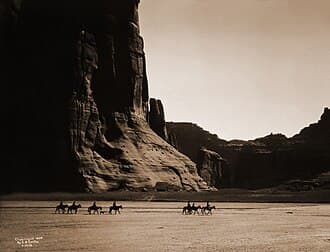
Canyon de Chelly (Tsegi) National Monument, near Chinle in Apache County, is one of the longest continuously inhabited landscapes in North America and contains multi-story cliff dwellings, ancestral Puebloan ruins, and Navajo cultural sites. The monument functions both as an archaeological resource and a living cultural landscape, where ongoing Navajo presence and historic sites overlap with federal stewardship.
The monument lies within the Navajo Nation but is administered as a unit of the National Park Service in partnership with local Navajo stakeholders. Much of the land on canyon floors is owned or managed by Navajo families and communities. That pattern of ownership means public access is layered: scenic rim drives and overlooks are open to the public, while entry to the canyon floor and close approaches to ruins commonly require coordination with authorized Navajo guides who operate under tribal permissions and in cooperation with park staff.
Visitor access has practical limits. Popular floor tours, including routes to White House Ruin and views of Spider Rock, are frequently led by authorized Navajo guides. Overnight stays within the monument are not permitted; visitors and residents typically stay in nearby communities such as Chinle. For Apache County residents planning trips, it is important to check current visitor conditions and any tribal travel advisories before traveling. Respect for tribal closures and private lands is not only a legal obligation but a matter of cultural preservation.
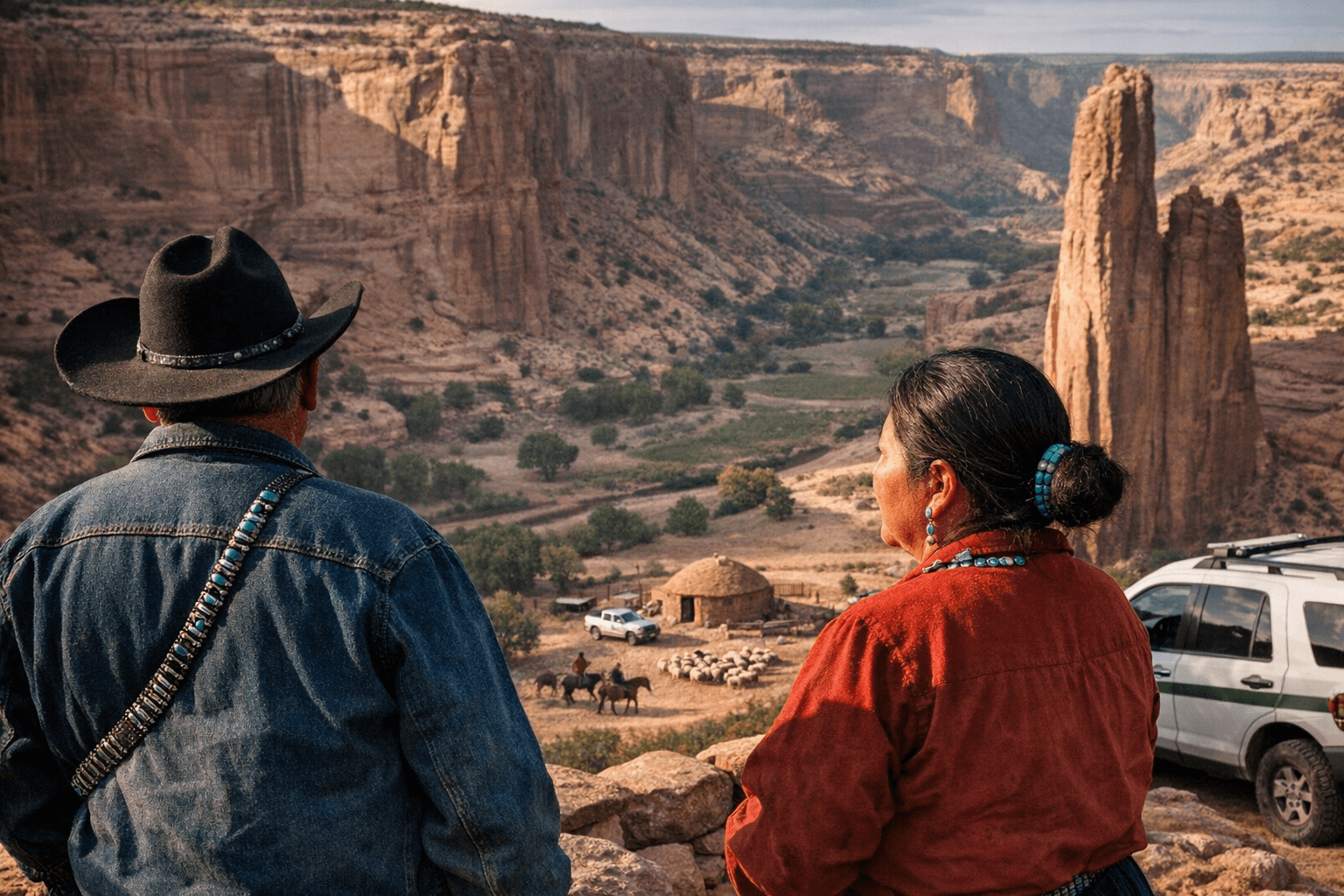
The governance arrangement carries policy implications for local economies and civic life. Revenue from guided tours supports Navajo guides and communities, making local hiring and patronage of guide services a tangible way for residents and visitors to contribute to the regional economy. At the same time, joint administration places responsibility on both federal and tribal institutions to coordinate on site protection, visitor safety, and infrastructure, particularly during winter months when weather can increase risk.
To minimize impact on sensitive cultural sites, avoid off-road travel and carry adequate supplies, including water and winter weather gear when temperatures drop. For civic engagement, residents who care about access, preservation, and economic benefits should follow tribal advisories and participate in public processes offered by Navajo Nation leadership and the National Park Service when opportunities arise. Clear communication and respectful coordination between institutions and local communities will determine how visitation, cultural integrity, and economic opportunity are balanced in this unique and living landscape.
This article was produced by Prism’s automated news system from verified source data, official records, and press releases, then run through automated quality and moderation checks before publishing. The system is built and supervised by the people who set the standards it runs under. Read our full AI policy.
Did this article answer your question?