Canyon de Chelly plan meeting set for Chinle residents Wednesday
Chinle residents were invited to weigh in on Canyon de Chelly’s joint management plan Wednesday evening, with access, grazing, tourism and cultural protection all on the table.
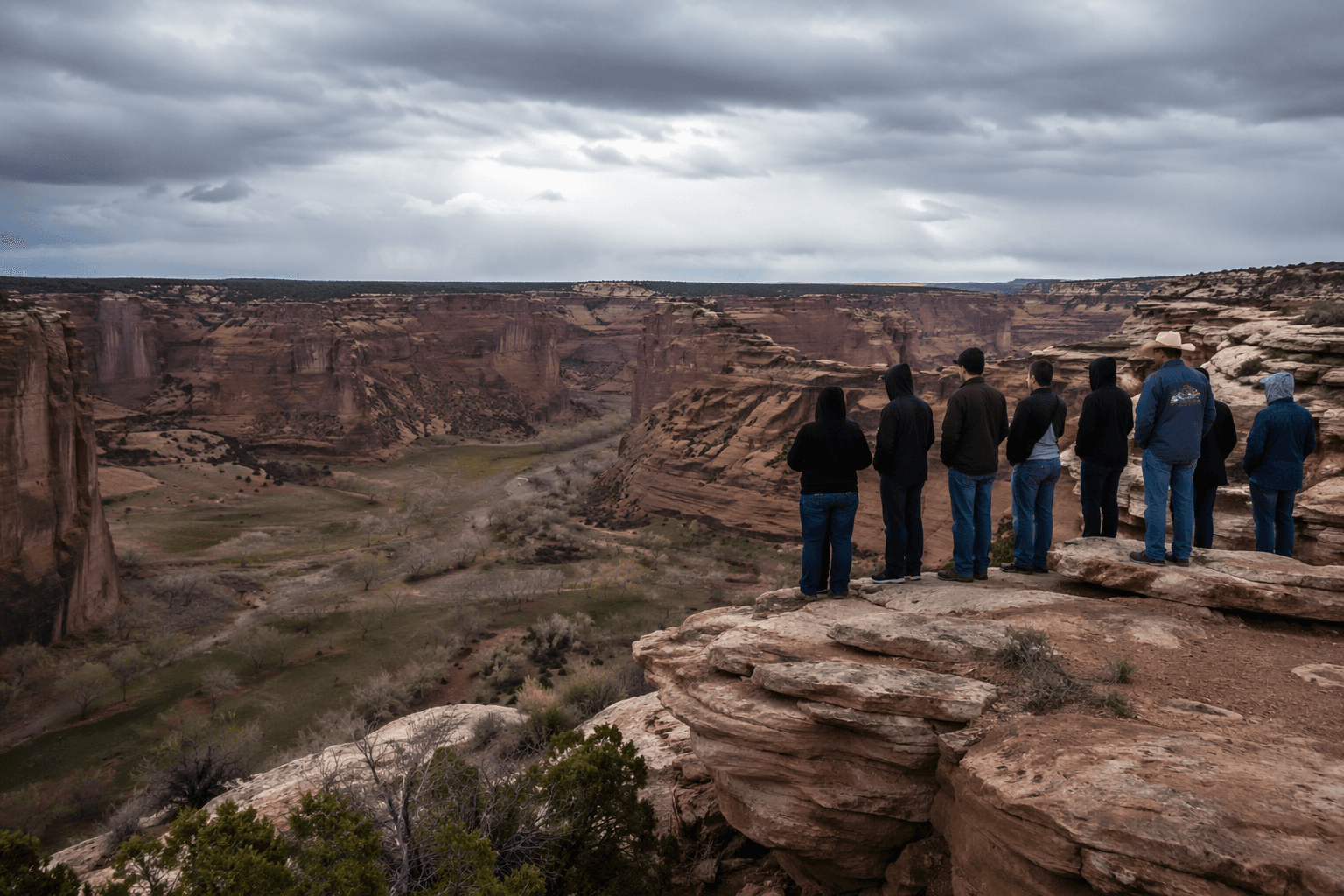
Chinle residents had a direct chance to shape how Canyon de Chelly is managed Wednesday evening, with a public session at the Navajo Technical University-Chinle Campus that was billed as the first of several informational and collaborative meetings for the joint management plan. The discussion was expected to matter well beyond the room, because the plan can affect where people enter the canyon, how preservation rules are applied, how tourism is handled, and how cultural sites and grazing areas are protected.
The meeting was scheduled from 4:30 p.m. to 8:00 p.m. at the Navajo Technical University-Chinle Campus, and the notice directed residents to two contacts for more information: Ravis Henry at 928-672-8225 and Lyn Carranza at 928-266-6641. The session brought together the National Park Service, the Bureau of Indian Affairs and the Navajo Nation, a sign that the next phase of planning was meant to collect community input rather than simply present a finished decision.
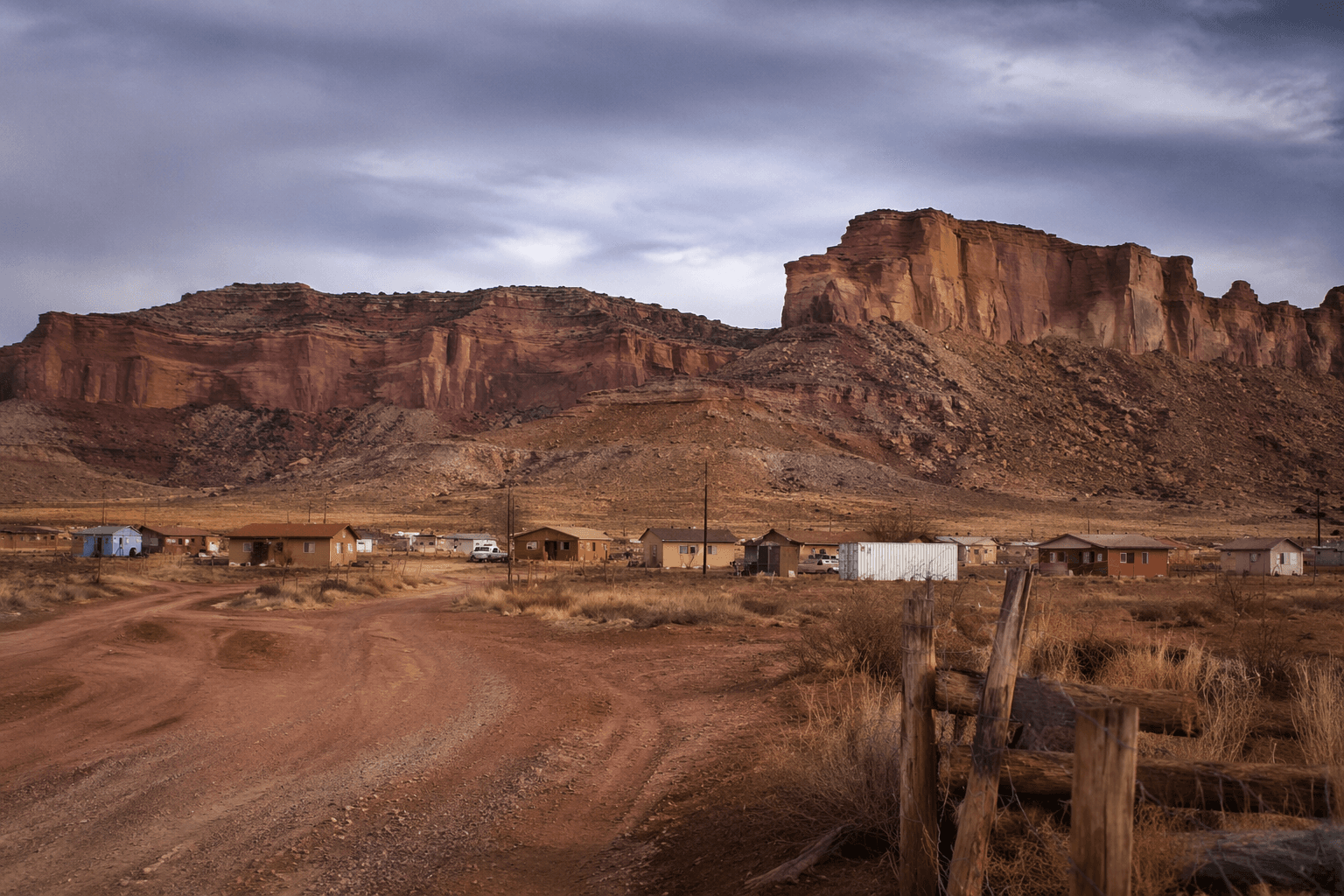
That matters in Canyon de Chelly because the monument is not managed like a typical national park. It sits on Navajo tribal trust lands, and the National Park Service says it must work with the Navajo Nation to protect and preserve the canyon’s resources. The agency says Diné families still live there, raising livestock and growing crops, and that people have lived in the canyons for nearly 5,000 years. Those facts help explain why decisions about roads, visitor access, land use and cultural protection can land very differently here than they do in places without permanent residents inside the park boundary.

The planning effort also grows out of a long history of joint-management attempts. Northern Arizona University reported in 2018 that a cooperative stewardship agreement between the Navajo Nation, the National Park Service and the Bureau of Indian Affairs was the first of its kind among the three entities. That report said earlier efforts had fallen short and that the parties re-engaged in joint-management planning in 2015. In practical terms, that history means Wednesday’s meeting was part of an effort to sort out who is responsible for what, and how Navajo and federal interests are balanced when the canyon’s future is being set.
Tourism remains part of that equation. Navajo Nation Parks & Recreation says all Navajo Tribal Park areas are by guided tours only, which ties local livelihoods and visitor access directly to management rules. The Federal Aviation Administration has also noted that Canyon de Chelly National Monument was established by presidential proclamation on April 1, 1931, and that the canyon’s resources include archaeological sites, sacred sites, cultural landscapes and the privacy interests of Navajo residents who live within the boundary. That makes the public input process more than a routine meeting in Chinle. It is a chance for residents to weigh in on how a place that is still lived in, traveled through and protected will be governed for years to come.
This article was produced by Prism’s automated news system from verified source data, official records, and press releases, then run through automated quality and moderation checks before publishing. The system is built and supervised by the people who set the standards it runs under. Read our full AI policy.
Did this article answer your question?