Chambers says Navajo Nation needs faster action, not more laws
A stalled Shiprock restaurant plan and a liquor-license fight in Chambers put Alexander Chambers’ speed-first message under pressure.

A stalled restaurant proposal in Shiprock and a liquor-license fight in Chambers are becoming the sharpest tests of Alexander Chambers’ claim that the Navajo Nation does not need more laws, only faster action. The Shiprock native and Farmington restaurant owner is one of 16 certified candidates running for Navajo Nation president, with the primary moved to July 21, 2026, to match Arizona’s state and county election calendar.
Chambers has built his campaign around business growth, water control and energy control, arguing that Navajo leaders already have enough authority to help local enterprise. He points to federal and tribal tools such as the Indian Self-Determination and Education Assistance Act, the Helping Expedite and Advance Responsible Tribal Home Ownership Act and Navajo commerce law, saying the real problem is not a shortage of power but a failure to use it quickly and consistently.
His own business history gives that argument a local edge. In February 2023, Chambers said he contacted the Office of the President and Vice President, the Navajo Nation Division of Economic Development, the Shiprock RBDO and the Navajo Nation Shopping Center with a proposal to build a new restaurant in Shiprock. The proposal has become a shorthand example of the slow approvals and administrative lag that business owners say can hold back investment on the Nation and across the Apache County border.
That complaint lands in a region where the stakes are severe. The Navajo Nation agriculture site says unemployment is 48.5 percent and average household income is $8,240, while the Nation has 253,124 enrolled tribal members and about 168,000 residents living on the Nation. In that setting, a candidate promising faster execution is not only talking about growth in the abstract. He is talking about whether a permit, financing decision or business certification moves in weeks instead of months.
The legal framework Chambers is invoking is already in place. The Indian Self-Determination and Education Assistance Act, enacted in 1975, allows tribes to contract with the federal government to operate programs for tribal members and other eligible people. The Navajo Nation Business Opportunity Act says the Business Regulatory Department certifies and prioritizes Navajo-owned and other qualifying businesses, while the Bureau of Indian Affairs says its Navajo Region mission includes facilitating economic opportunity and protecting trust assets.
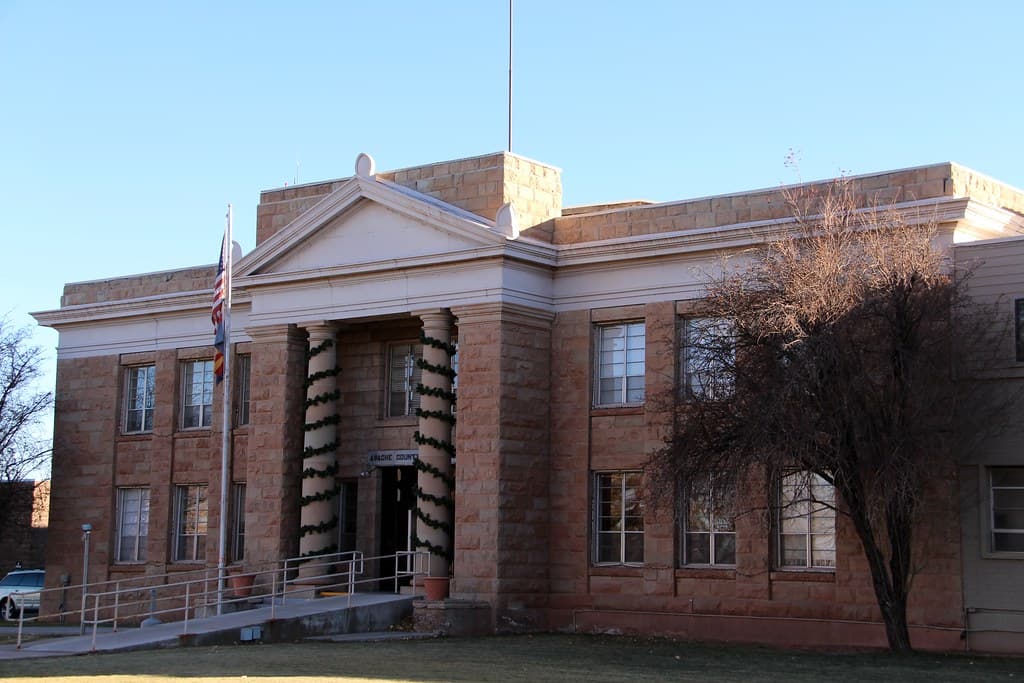
That is why the months-long public dispute over a liquor license transfer tied to Chieftain Mobil in Chambers, Arizona, matters beyond one store. The Apache County Board of Supervisors heard hours of opposition from nearby residents and Navajo chapter leaders, and the fight was framed as part of deeper concerns about alcohol trauma, family harm and public safety in border communities. For Chambers, the political question is simple: if the tools already exist, how fast can he use them, and how will voters know when he has?
This article was produced by Prism’s automated news system from verified source data, official records, and press releases, then run through automated quality and moderation checks before publishing. The system is built and supervised by the people who set the standards it runs under. Read our full AI policy.
Know something we missed? Have a correction or additional information?
Submit a Tip