Colorado River Study Warns Reservoirs Near Release Limits, Navajo Nation Faces Risk
A Colorado River research report released December 18 warned that Lake Powell and Lake Mead have largely depleted their operational buffer, and that one or two dry winters could push reservoir operations into conditions that restrict downstream water releases. The finding matters to Apache County residents because tribal communities across Arizona, New Mexico and Utah rely on stable long term supplies, and ongoing negotiations over rules for operations after 2026 will shape local water security.
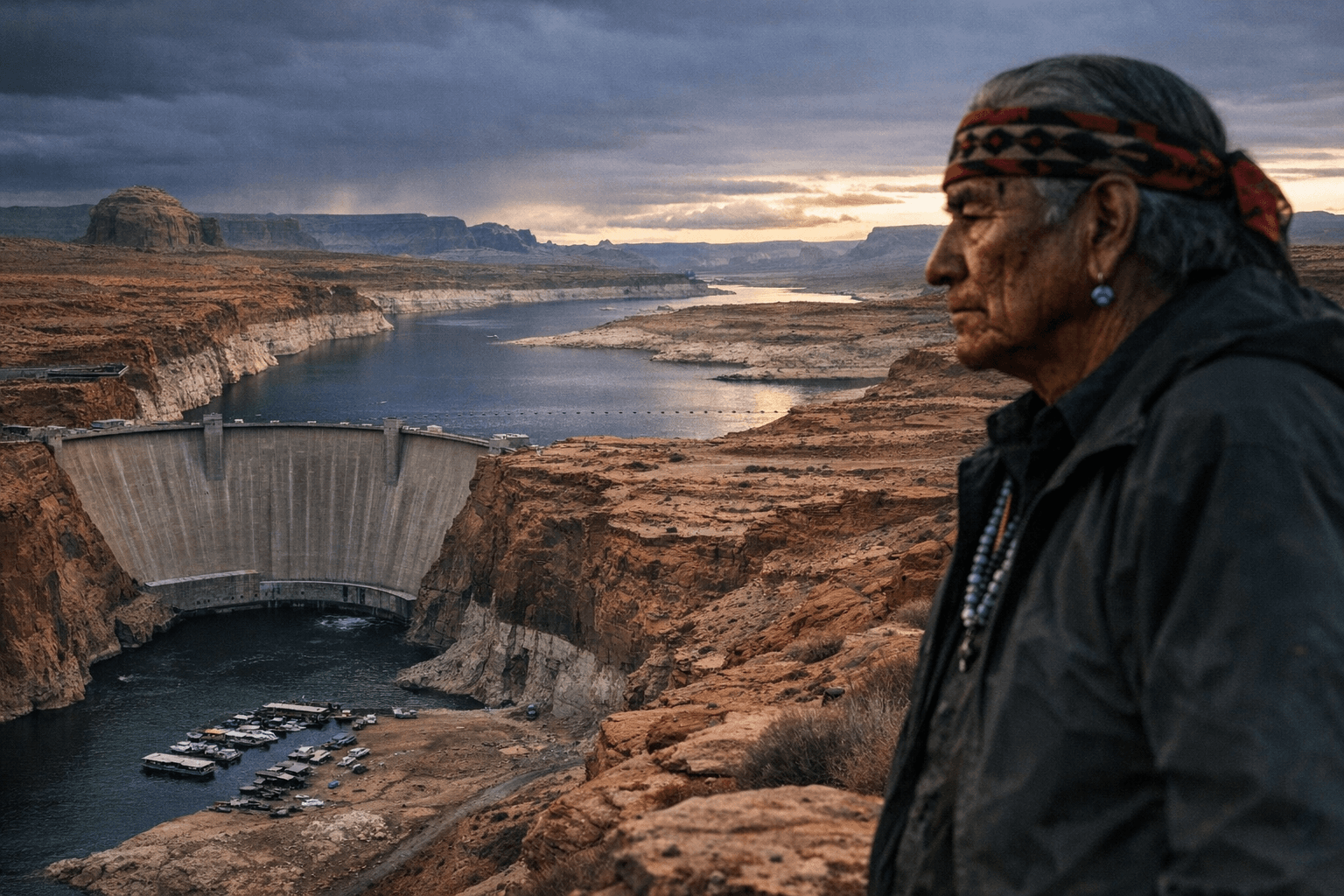
A new Colorado River analysis issued December 18 concluded that available storage behind Lake Powell and Lake Mead has fallen to levels that leave little margin for further loss. The report warns that if the basin experiences another dry winter or two, reservoir operations could move into scenarios that limit releases from the major storage dams, a change that would have direct implications for communities downstream including those in Apache County.
The study placed its findings in the context of basin state negotiations over how to operate the system after 2026. Those talks remain a standoff among the Colorado River basin states, and the lack of agreed rules increases uncertainty about how shortages will be allocated and how much water will be released in future years. For the Navajo Nation, tribal leaders and planners have continued to pursue infrastructure projects and agreements designed to stabilize supplies beyond 2026, but the new warnings underscore how precarious those plans could become without durable operating rules and additional storage or transfers.
Local impacts in Apache County could include tighter supply conditions for Navajo Nation chapters that draw from project deliveries, increased pressure on wells and groundwater reliant households, and potential adjustments in municipal and agricultural water planning. Community water managers, tribal planners and county officials will need to factor the elevated probability of constrained reservoir releases into near term drought response and longer term capital planning.
The report reinforces the broader drivers of the crisis, including prolonged drought and warming that have reduced inflows across the basin. It also highlights the diplomatic nature of water in the region, where interstate negotiations and federal involvement determine access for tribal, municipal and agricultural users. For Apache County residents, the immediate priorities are clear. Local leaders must accelerate coordination with tribal authorities, state agencies and federal partners, maintain conservation measures, and prioritize infrastructure investments that protect vulnerable households and critical services in the event that reservoir release limits are triggered.
This article was produced by Prism’s automated news system from verified source data, official records, and press releases, then run through automated quality and moderation checks before publishing. The system is built and supervised by the people who set the standards it runs under. Read our full AI policy.
Did this article answer your question?