Descheenie Joins Flagstaff Protest Over Reported Venezuela Strike
Arizona CD-2 candidate Eric Descheenie joined a Flagstaff demonstration on Jan. 3 to criticize reported U.S. military action in Venezuela, linking it to patterns of intervention tied to resource extraction and imposed governance. His remarks framed the issue for Navajo and other Indigenous voters as one of sovereignty, urging community preparedness and protection of Indigenous voices.

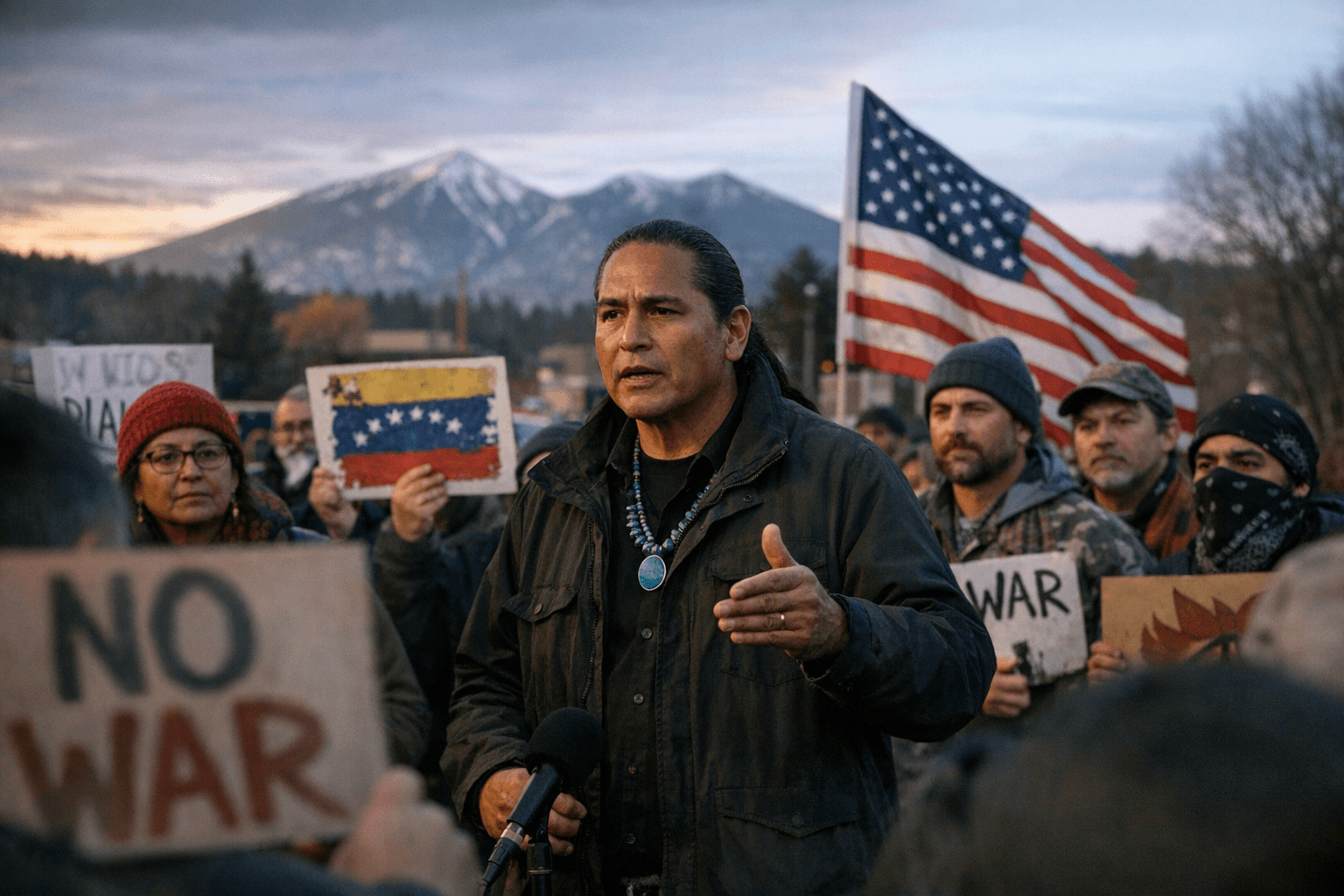
Eric Descheenie, a candidate for Arizona’s 2nd Congressional District, took part in a Flagstaff protest on Jan. 3 that confronted reported U.S. military action in Venezuela and its broader implications. At the demonstration he framed the reported strike as part of a recurring pattern of foreign interventions that are often connected to control over resources and the imposition of governance structures abroad. He drew parallels between those actions and historical federal interventions affecting Indigenous governance within the United States, presenting the issue to Navajo voters in terms of sovereignty and resource-driven policy.
Descheenie’s participation placed a national foreign policy controversy into the local political conversation ahead of Arizona’s CD-2 contest. Organizers and participants at the Flagstaff event sought to emphasize connections between international military activity and domestic histories of external control over Indigenous lands and decision-making. The protest also highlighted broader national reaction and legal questions arising from the reported action in Venezuela, debates that have centered on authorization for use of force, international law, and executive power.
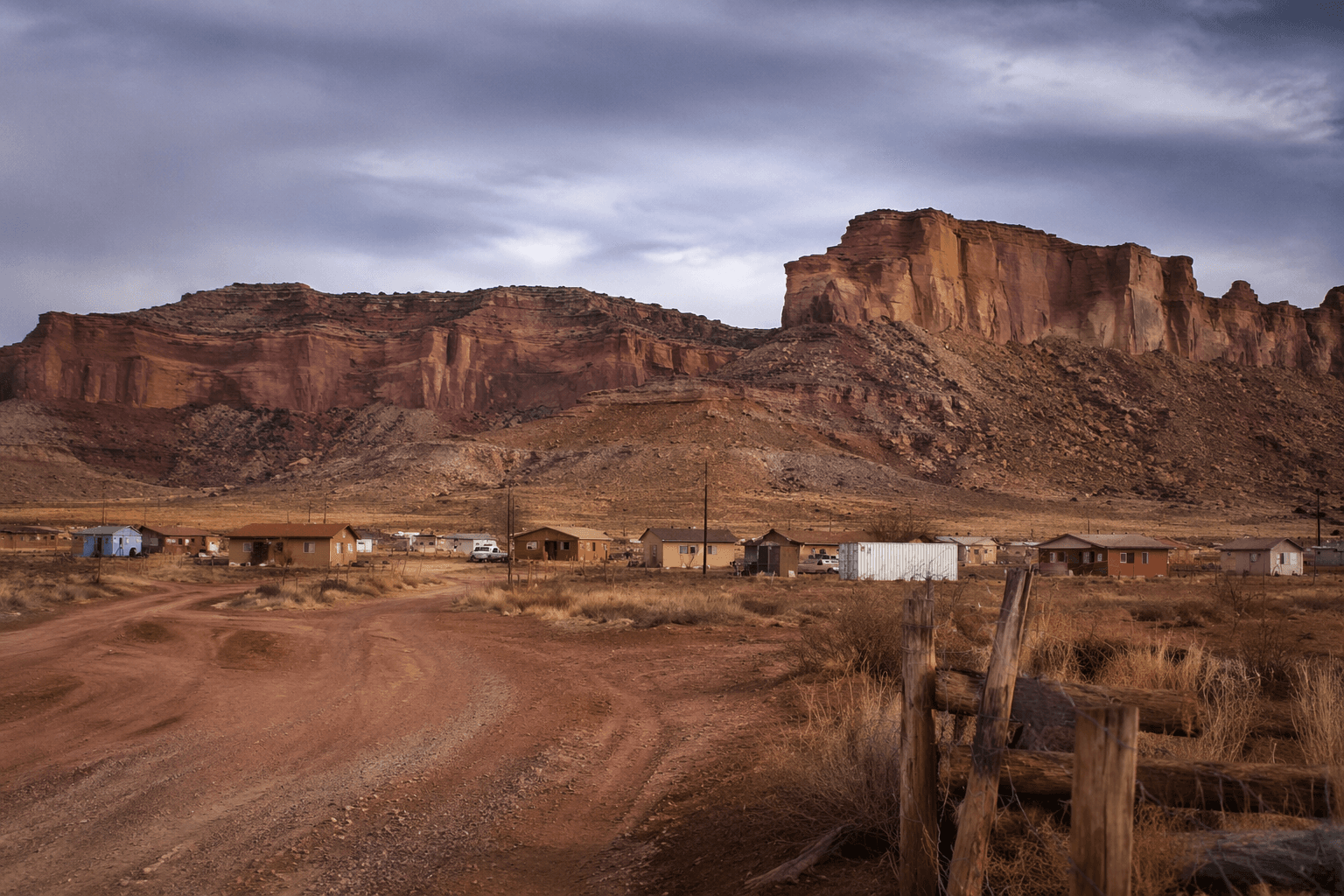
For residents of Apache County and the Navajo Nation, the demonstration underscored how international events can resonate locally. Many Indigenous communities in the region have long experience with federal decisions that affect land, water, and governance, and local voters often view foreign policy through the lens of sovereignty and treaty rights. Descheenie explicitly linked those concerns to his campaign message, urging community preparedness and protection of Indigenous voices in the face of policies he characterized as resource-driven.
The Flagstaff protest comes at a moment of heightened public scrutiny of U.S. actions overseas and of political debates at home about the balance between national security and legal restraints. For candidates in CD-2, where Navajo and other Indigenous voters are significant constituents, the ability to speak to sovereignty, historical grievances, and resource management is likely to influence local political dynamics. Descheenie’s intervention in the Flagstaff demonstration signals an effort to make foreign policy an issue in a district where federal authority and Indigenous governance intersect daily.
As legal and political discussions about the reported Venezuela action continue nationally, the Flagstaff protest and Descheenie’s remarks illustrate how those debates are absorbed into local politics. For Apache County residents, the episode highlights enduring questions about how federal decisions, whether at home or abroad, affect Indigenous rights, community autonomy, and control over resources.
This article was produced by Prism’s automated news system from verified source data, official records, and press releases, then run through automated quality and moderation checks before publishing. The system is built and supervised by the people who set the standards it runs under. Read our full AI policy.
Did this article answer your question?