Diné Leaders Formally Oppose SAVE Act, Citing Blocked Voting Access
The Naabik'íyáti' Committee unanimously passed legislation formally opposing the SAVE Act, warning it would force Navajo elders to travel long distances just to vote.
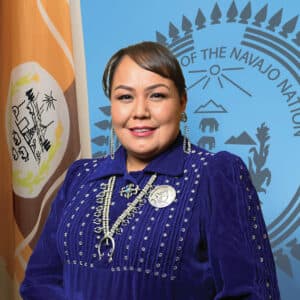
The Naabik'íyáti' Committee, a standing committee of the Navajo Nation Council, unanimously passed legislation formally establishing the Navajo Nation's opposition to the federal SAVE America Act, citing concerns over its disproportionate impact on Navajo voters and tribal communities across the country.
The SAVE America Act, H.R. 7296, is a proposed federal law that requires individuals to provide documentary proof of U.S. citizenship when registering to vote and to present photo identification to vote in federal elections. The U.S. House of Representatives passed the bill on February 11, 2026. The bill has not passed the U.S. Senate and has not become law.
Council Speaker Crystalyne Curley framed the opposition in direct, human terms. "For many Navajo people, this is not a Democrat or Republican issue. We are thinking about our elders and grandparents, many of whom were not born in hospitals and do not have birth certificates. Under the SAVE Act, they would be required to travel long distances, multiple times, just to register to vote and cast their ballots," Curley said.
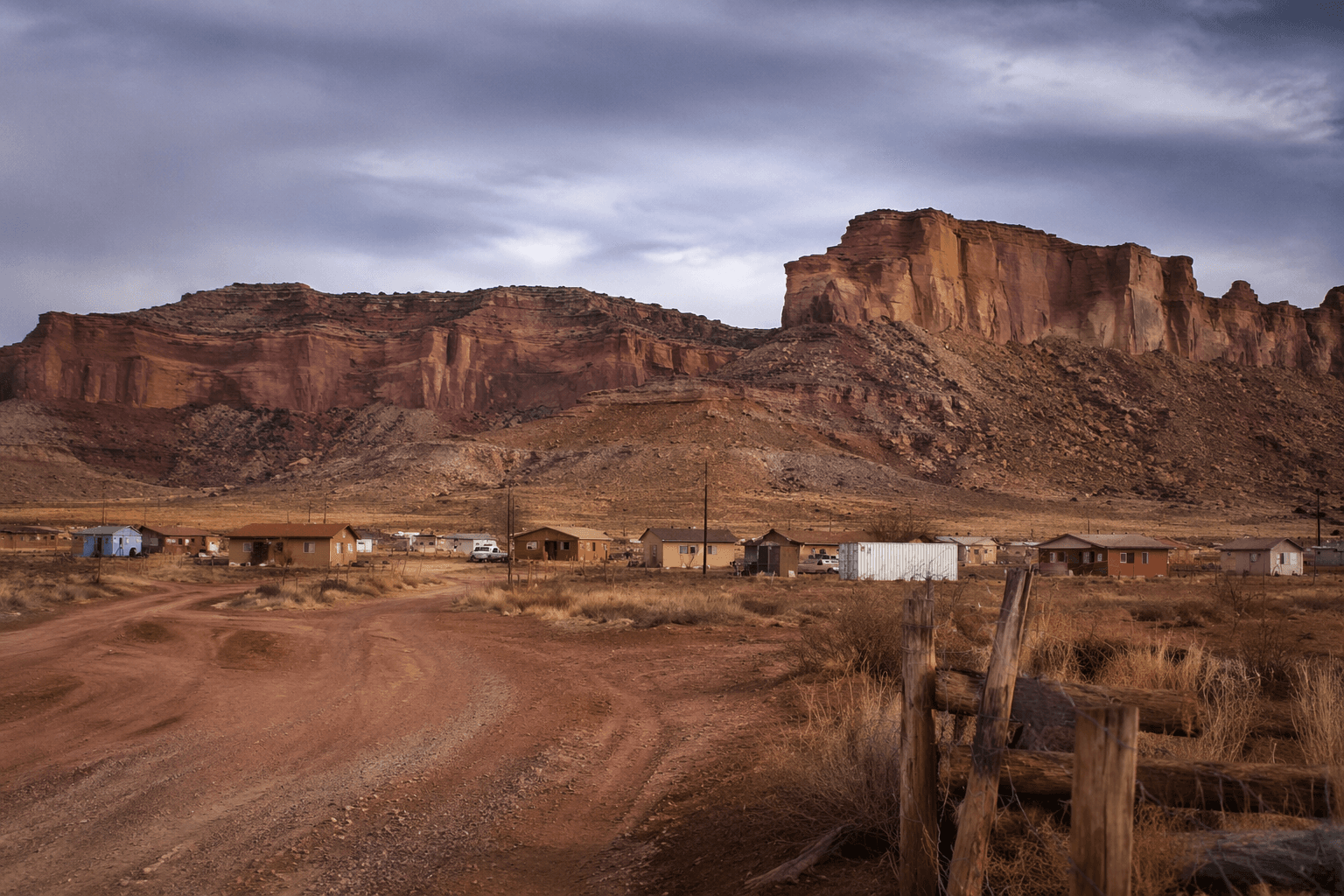
The concern is not hypothetical for Apache County. The Navajo Nation's geography, much of it accessible only by unpaved roads without nearby government offices, makes in-person documentation requirements particularly burdensome. During the 2024 election cycle, one tribal voting advocate drove two hours on dirt roads to find the home of a Navajo-speaking elder, then called a county clerk to translate questions needed to cure the ballot just minutes before the deadline. Of the hundreds of voters that team tried to locate, only 24 ballots across Navajo and Apache counties were cured in time.
The SAVE Act does carve out an exception for tribal IDs to be permitted to register to vote, but it would not accept IDs without an expiration date, which many tribal IDs do not have. Tribal IDs also often do not contain the holder's birth information, and it can be difficult for tribal members to obtain birth certificates due to expense, travel, and waiting periods.
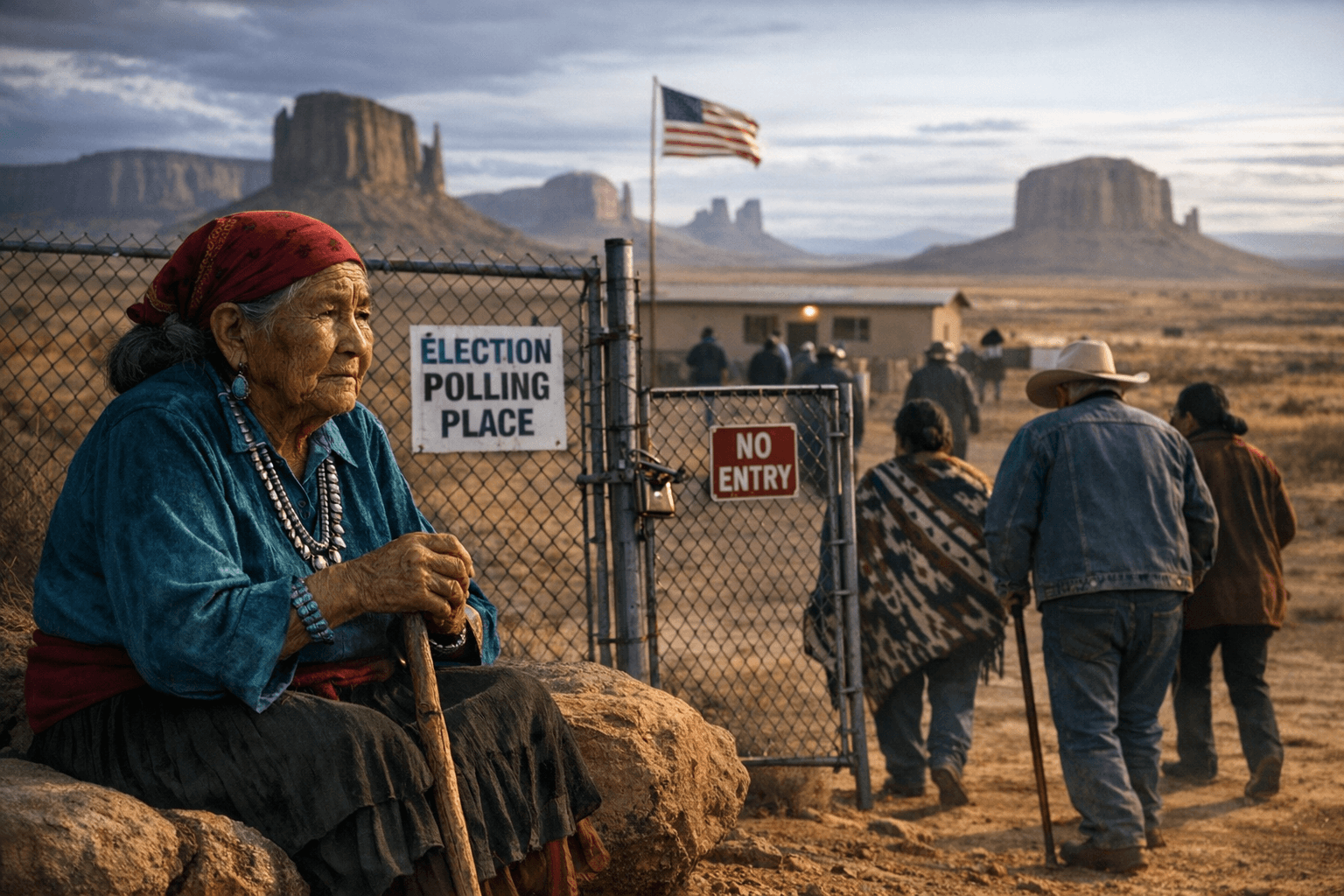
The November 2024 general election illustrated how fragile voting access already is in this region. An Apache County judge extended voting hours at nine polling sites amid a lawsuit against the county, and polling sites at the Kayenta Business Center, formerly the old primary school, were briefly disrupted by a bomb threat that affected state polling locations across multiple states, including Arizona and New Mexico. Despite those obstacles, Navajo voters turned out in record numbers for early voting as the Navajo Nation Election Administration began special tribal elections after November 5.
H.R. 7296 was introduced on January 30, 2026, by Representative Chip Roy of Texas. The Naabik'íyáti' Committee passed its opposition resolution with a vote of 12 in favor and five opposed; final action now rests with the full Navajo Nation Council.
The Navajo Nation Council's next regular Naabik'íyáti' Committee meeting was scheduled for March 26, 2026, the same day the Navajo Times published its report on the formal opposition push. Whether the full Council takes up the resolution in the coming session will determine the official legislative posture of the Navajo Nation as the Senate weighs the bill's fate.
This article was produced by Prism’s automated news system from verified source data, official records, and press releases, then run through automated quality and moderation checks before publishing. The system is built and supervised by the people who set the standards it runs under. Read our full AI policy.
Did this article answer your question?