Drought and Permit Freeze Squeeze Navajo Ranchers in Apache County
Navajo ranching families in Apache County spent thousands in attorney fees to comply with permit rules; now those permits sit frozen in pending status as drought deepens.

Navajo ranching families in Apache County followed every required step to secure grazing authorizations, some spending thousands of dollars in attorney fees, only to find their permits frozen in administrative pending status just as drought is tightening its grip on the region's already strained water systems.
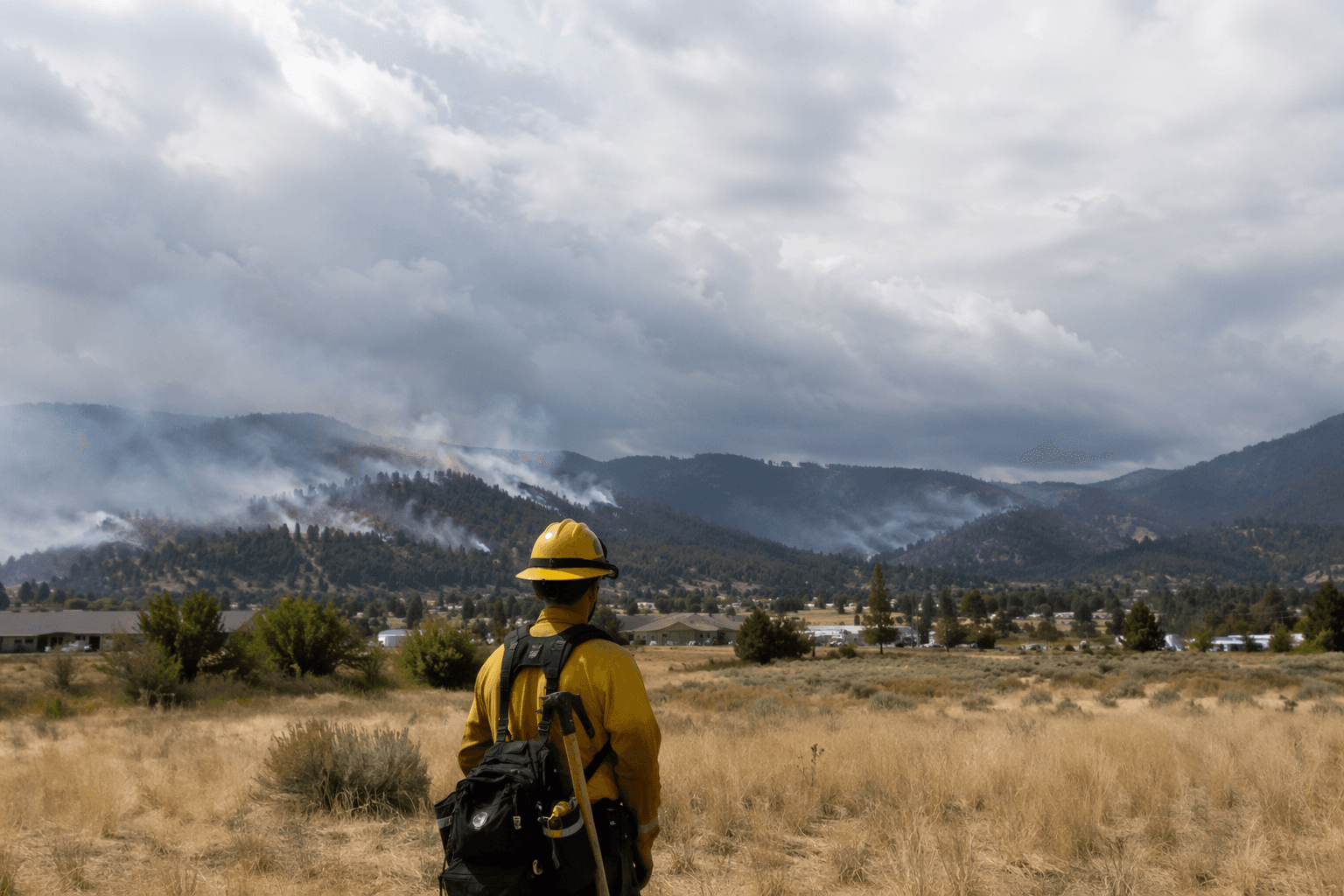
The crisis stems from two converging pressures. A permit freeze, the result of an agreement between the Navajo Nation Department of Agriculture and the Bureau of Indian Affairs' natural resources office, halted the reissuance of grazing authorizations to new holders across the Nation. Simultaneously, Apache County, which sits squarely within a Severe (D2) long-term drought zone according to the Arizona Department of Water Resources, is seeing increased demand on community cisterns, hauling operations and groundwater wells with declining recharge rates.
A tribal leader identified as James, who spoke to the Navajo Times this week, said the agreement was handled without adequate consultation with tribal leadership and questioned who in the Department of Agriculture held the authority to make the decision. "A lot of the grazing permits are just all pending status, and they have not been reissued out to the new individuals that's supposed to be holding that grazing permit," he said. "So a lot of these families did what was required of them, and now they don't get a graze increment, even though they spent thousands and thousands of dollars for some of them, for attorney fees."
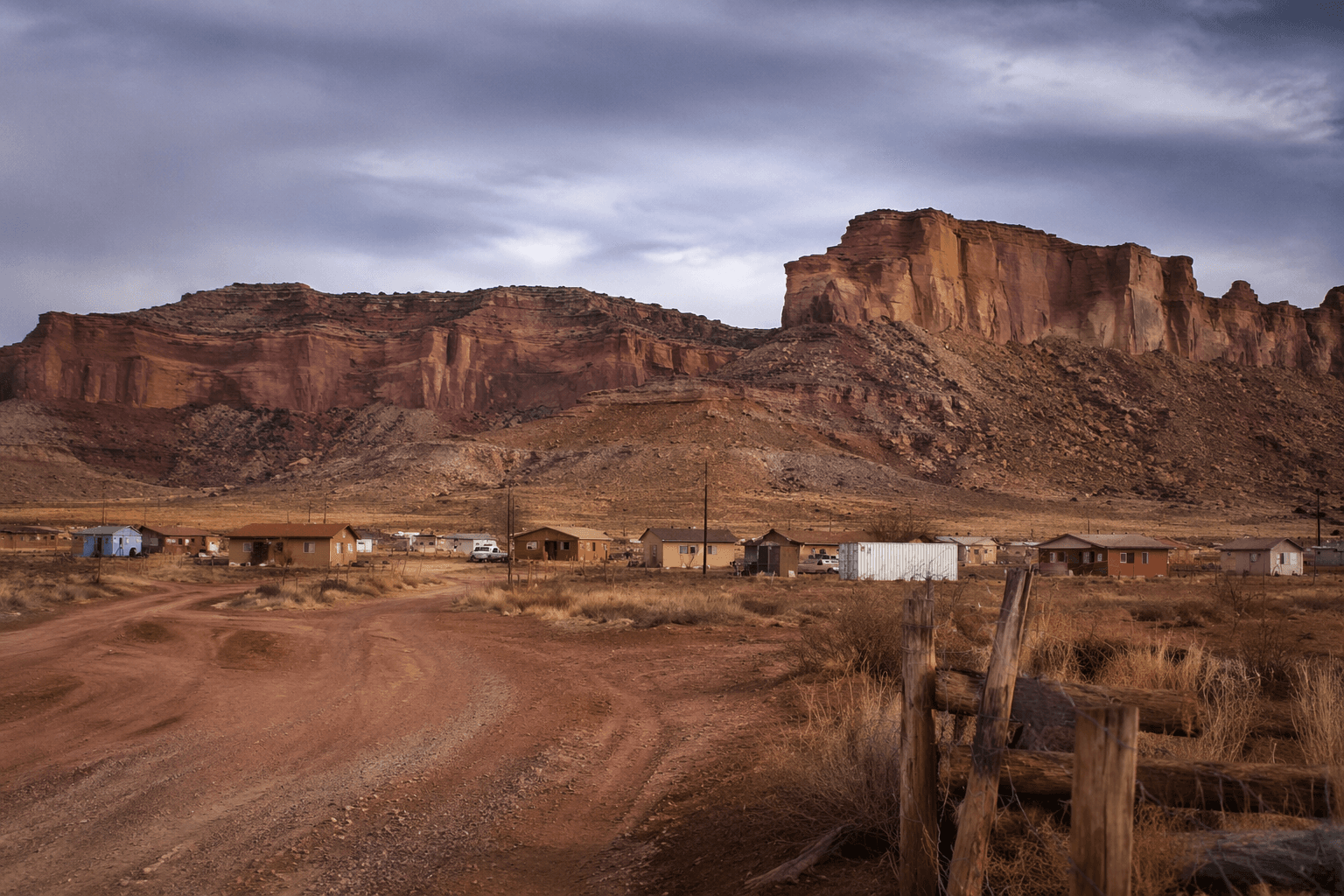
The affected chapters span the Apache County portions of the Navajo Nation: Chinle, Many Farms, Ganado, Lukachukai, Tsaile-Wheatfields and others. Without valid grazing authorizations, families cannot legally move animals to traditional pastures, cutting off their ability to manage herd health and forage access in a drought year when both are already scarce.
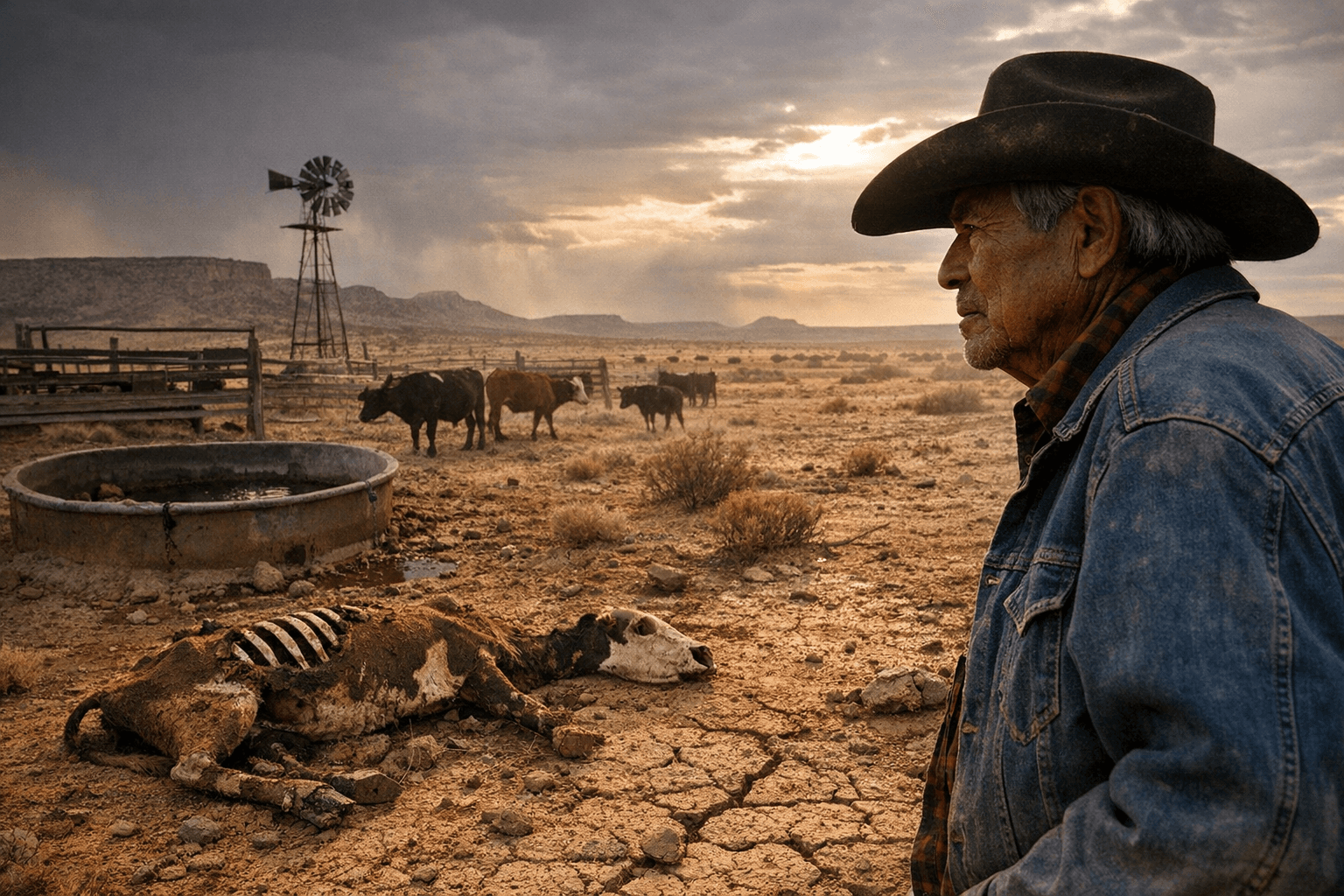
The Navajo Nation's 2025 emergency drought declaration authorized $6.5 million from the Agricultural Infrastructure Fund for windmill repairs, water hauling and local mitigation, and gave chapters authority to tap emergency resources for cistern fills and storage. Those measures address the water crisis but do nothing to clear the regulatory gridlock blocking grazing permits.
Water and public-health professionals have warned that drought conditions are driving higher demand on distribution systems that were never designed for sustained stress, elevating the risk of potable water shortages across widely dispersed households. The Nation manages more than 212,000 acres of farmland generating $92 million in agricultural products annually, but that aggregate figure obscures how acutely individual ranch families absorb the cost when water and authorization problems arrive together.
Chapter leaders and residents are now watching for BIA follow-up communications, emergency resolutions from the Navajo Nation Council, and decisions on temporary grazing waivers. Apache County officials and state and federal partners may also be drawn into the response. The BIA and the Navajo Nation Department of Agriculture have not publicly explained the timeline for lifting the freeze, leaving families heading into a dry spring with herds, expenses and permits still in limbo.
This article was produced by Prism’s automated news system from verified source data, official records, and press releases, then run through automated quality and moderation checks before publishing. The system is built and supervised by the people who set the standards it runs under. Read our full AI policy.
Did this article answer your question?