Fort Apache Historic Park preserves Apache heritage and living culture
White Mountain Apache leadership runs Fort Apache Historic Park as a living heritage site, linking 27 historic buildings, Kinishba Ruins, and Nohwike’ Bágowa.
Fort Apache Historic Park is not just a preserved landmark on the White Mountain Apache Reservation. It is a living cultural landscape, managed by the White Mountain Apache Tribe, where preservation, archaeology, and public storytelling all happen under tribal leadership.
A tribe-run site with sovereignty at the center
The strongest way to understand Fort Apache Historic Park is as a decision-making institution, not a static monument. The White Mountain Apache Tribe controls how the site is interpreted, how history is presented, and how visitors move through a place that still carries cultural meaning for Apache people. That matters in Apache County because it shapes who gets to define local history, who benefits from tourism, and how heritage is protected for future generations.
The cultural center at the heart of the park, Nohwike’ Bágowa, translates as “House of Our Footprints.” The name gives the site its governing idea in a few words: Apache presence is not relic, but record. The museum is housed in a modern building designed to reflect a traditional gowa, which reinforces that the structure itself is part of the story of continuity rather than a break from it.
What the museum holds, and why it matters
Inside Nohwike’ Bágowa, the focus is on keeping Apache culture visible and active. Long-term exhibits sit alongside temporary exhibitions, Apache arts demonstrations, and a growing archival collection that includes manuscripts, publications, and historic photographs. That mix turns the museum into more than a display space. It works as a cultural record, a learning site, and a public-facing archive.
The museum shop extends that same idea into everyday life. Apache basketry, beadwork, books, music, and mementos connect the park to living artisans and to the people who keep those traditions moving today. For a county-wide audience, that has practical value: it links heritage to local sales, visitor spending, and cultural education, while keeping the economic benefits tied to Apache-made work rather than outside interpretation.
How much history is packed into one place
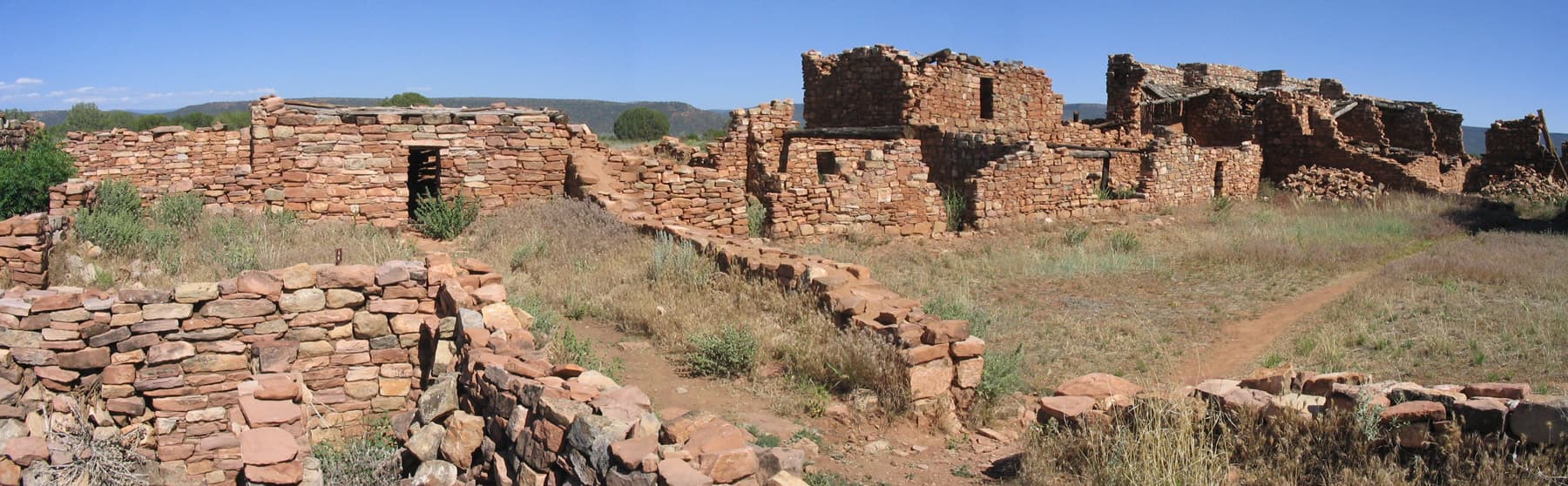
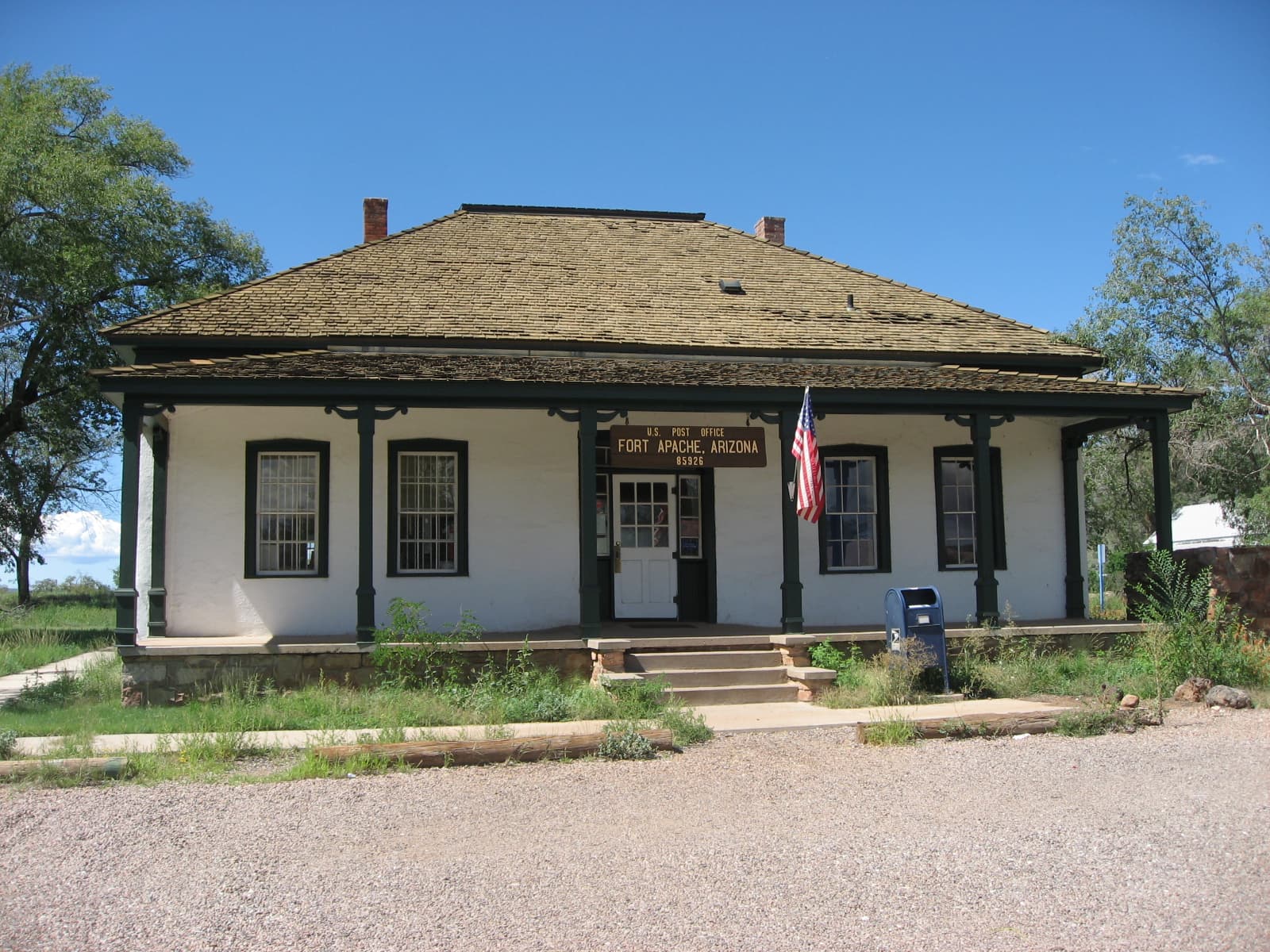
Fort Apache Historic Park concentrates multiple layers of history in a single district. The park includes Kinishba Ruins, and the historic district contains 27 historic buildings within a 288-acre National Register district. That scale gives the site unusual weight in Apache County, because it bundles archaeology, military history, and tribal stewardship into one managed landscape.
The site’s chronology reaches back to the 1869 scouting expedition that led to the establishment of the fort. General Crook’s Cabin, the oldest structure on site, anchors that timeline and gives visitors a tangible starting point for understanding how the fort developed. The presence of both the ruins and the standing buildings helps explain why the park is treated as a protected heritage area rather than a simple roadside attraction.
What a visit looks like
The park is open daily from 7:00 a.m. to sunset, which makes it one of the more accessible heritage stops in the county. The museum operates on defined seasonal hours, so timing matters if the goal is to see the exhibits, use the archives, or arrange a guided experience. Apache tour guides are available by advance reservation, which adds another layer of local control to the visitor experience.
A few practical details shape the visit:
- Kinishba Ruins require check-in at the museum before entering.
- Apache tour guides are available with advance reservation.
- The park itself is open daily from 7:00 a.m. to sunset.
- The museum follows seasonal hours, so the indoor experience is not the same year-round.
That check-in requirement is more than a visitor rule. It underscores the park’s role as a managed heritage site, where access is organized through tribal stewardship rather than casual, unmonitored entry. In a place with archaeological significance, that kind of control is part of preservation.
Why the park matters to Apache County now
Fort Apache Historic Park has value beyond its exhibits because it ties culture to governance, education, and local economic activity. Tourism supports the park, but the deeper point is that the White Mountain Apache Tribe is deciding how the story is told, how the land is cared for, and how younger generations encounter their own history. That is a different model from the one many historic sites follow, where outside institutions control the narrative and local communities are treated as subjects rather than stewards.
For Apache County, the stakes are concrete. The park supports jobs tied to interpretation, guiding, retail, and operations. It draws visitors who spend time in the area. It gives schools and families a place to learn from archival materials, historic structures, and Apache arts demonstrations. Most important, it keeps Apache heritage rooted in Apache authority, so the site remains a living part of the county’s present, not only a chapter from its past.
How to read the site as you move through it
The best way to experience Fort Apache Historic Park is to see how each part of it connects to the others. Nohwike’ Bágowa explains the tribe’s living cultural priorities. The 27 historic buildings and General Crook’s Cabin mark the military and frontier era. Kinishba Ruins bring archaeology into the picture. Together, they show how one place can carry multiple histories without surrendering control of the narrative.
That is what makes Fort Apache different from a museum district assembled for outside consumption. It is a tribal heritage site that preserves objects, structures, and stories while also asserting the White Mountain Apache Tribe’s authority over them. In Apache County, that makes the park both a destination and a statement about who has the right to maintain, interpret, and pass on the region’s history.
This article was produced by Prism’s automated news system from verified source data, official records, and press releases, then run through automated quality and moderation checks before publishing. The system is built and supervised by the people who set the standards it runs under. Read our full AI policy.
Did this article answer your question?