House Approves Wolf Delisting Bill, States Would Regain Control
The U.S. House of Representatives passed H.R. 845 on December 19, 2025, a measure that would broadly remove gray wolves from the federal Endangered Species List and restore a 2020 delisting rule. The change would, if enacted, shift primary management authority to state agencies, while Mexican gray wolves in eastern Arizona and western New Mexico would remain listed as endangered and protected under federal law.
The U.S. House passed H.R. 845, known as the Pet and Livestock Protection Act, by a vote of 211 to 204 on December 19, 2025. The bill would remove gray wolves generally from the federal Endangered Species List and reinstate a delisting framework put in place in 2020. Proponents say the measure returns management authority to state wildlife agencies and provides greater flexibility to address livestock conflict. Opponents counter that removing federal protections undermines science based recovery efforts and could jeopardize long term population stability.
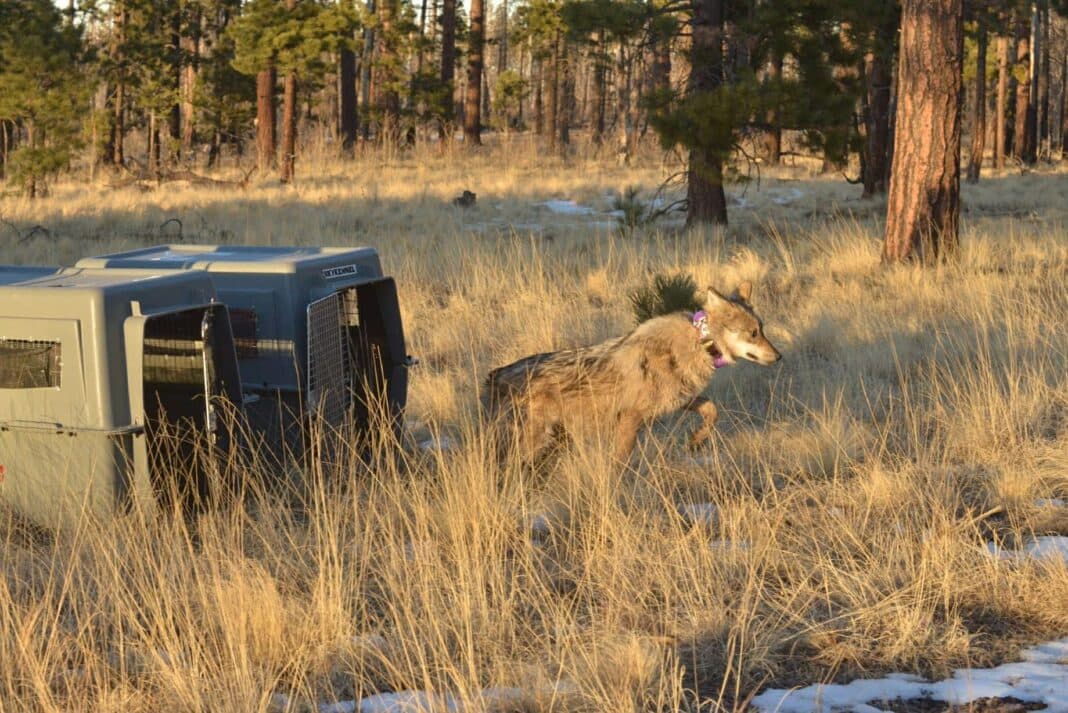
A crucial distinction in the legislation affects residents of Apache County. The Mexican gray wolf, Canis lupus baileyi, remains separately listed as endangered and is not automatically delisted by this legislation. Mexican gray wolves are present in Arizona, and recent counts place a portion of the subspecies population within Apache County. That presence links federal policy changes directly to local recovery programs, cooperative management plans, and on the ground monitoring and mitigation work.
If enacted, the shift of primary management authority to states would change the operational roles of federal agencies and state wildlife departments. Local recovery programs that currently rely on federal oversight, funding, or technical assistance would face a new governance landscape. Federal state cooperation that has guided releases, monitoring, and conflict response since listing could be renegotiated under state led frameworks. For ranchers and rural communities in Apache County, the practical effects could include changes in compensation programs, conflict prevention measures, and the enforcement environment for livestock protection.

The vote reflects longstanding debates over federal authority, state control, and the balance between species recovery and agricultural interests. For Apache County those debates are not abstract. They shape how Mexican gray wolves are managed in local public lands, how agencies respond to livestock depredations, and how conservation groups and residents engage with policymakers. The bill would take effect only if it becomes law, so the immediate consequence is a new legislative chapter that will determine whether federal protections remain the governing framework for wolves or whether states assume primary control over management and recovery efforts.
This article was produced by Prism’s automated news system from verified source data, official records, and press releases, then run through automated quality and moderation checks before publishing. The system is built and supervised by the people who set the standards it runs under. Read our full AI policy.
Did this article answer your question?