Invoices Show Office of the President, Vice President Paid Private Services
Records reviewed by this newsroom show Innovative Electric LLC billed the Office of the President and Vice President a total of 143,883.87 over a two year period for electrical work, security installations, event power, building inspections, home renovations and cash loans. The invoices raise questions about the use of public billing for work at private homes and community events, a matter that affects local trust in stewardship of public resources.
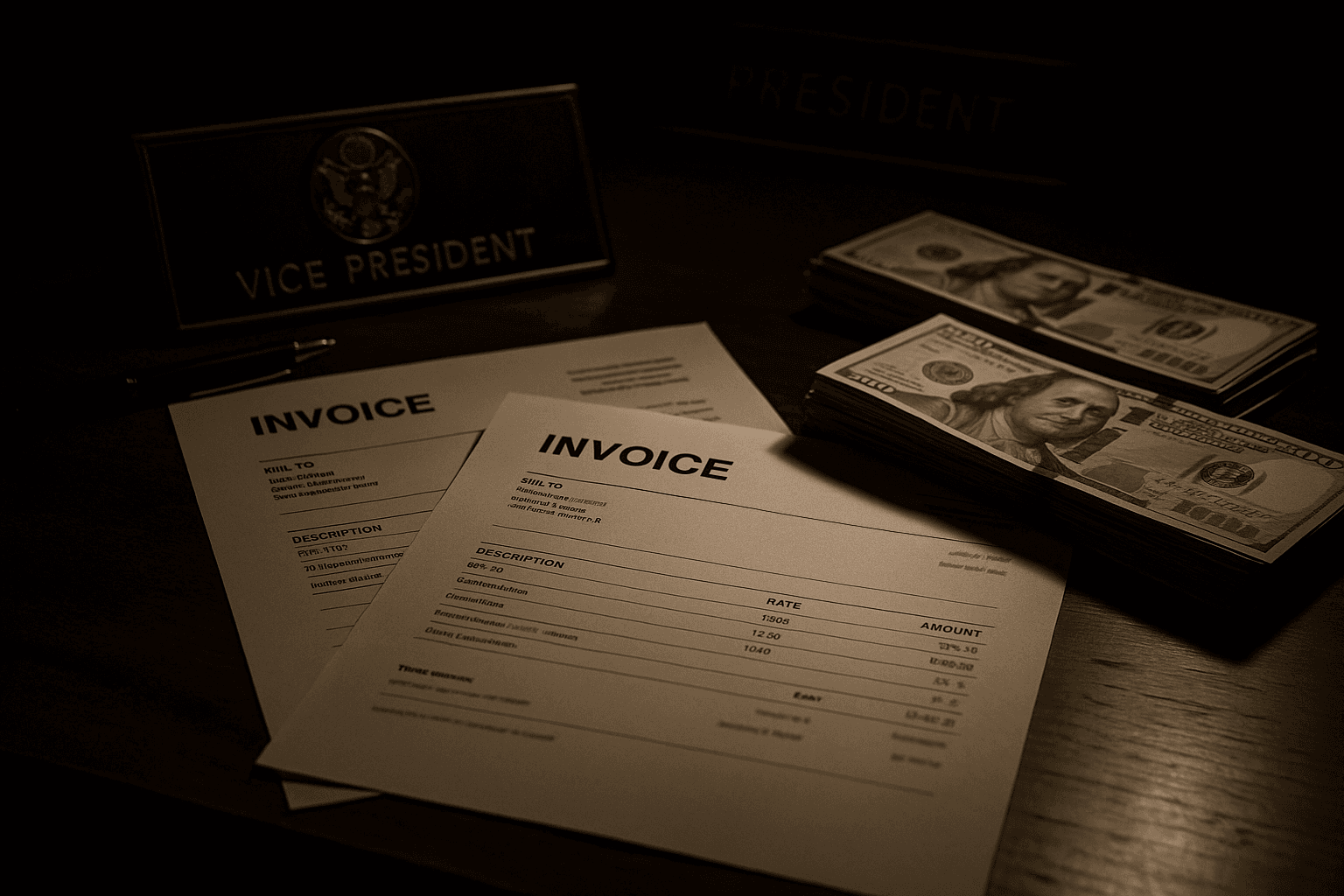
Records spanning February 2023 through December 2024 show Innovative Electric LLC submitted invoices totaling 143,883.87 that list the Office of the President and Vice President as the billed party. The charges include 123,383.87 in construction and service work and 20,500 in cash loans. The invoices identify a range of services from routine electrical work and building inspections to security installations and temporary power for community events, and in some cases work that took place at private homes.
The paperwork indicates that many requests moved through former Chief of Staff Patrick Sandoval and that several projects were directly requested by President Buu Nygren. The invoices list the Office of the President and Vice President as the payer even when the location or beneficiary appears to be a private residence or a community hosted event rather than an office facility. Those details are central to assessing whether public billing practices aligned with Navajo Nation procurement and accounting rules.
For residents of Apache County the immediate significance is fiscal and civic. Public payments for services tied to private properties or community activities can raise concerns about transparency in the allocation of limited public resources. The amounts recorded are substantial when measured against local budgets and ongoing needs for infrastructure, health, and social services. Trust in leadership and confidence in institutional controls hinge on clear explanations for how and why public accounts were used in each instance.
The records create a need for clarity from responsible officials and for any existing oversight bodies to review whether transactions complied with procurement, accounting and ethical standards. Elected officials and civic leaders will likely face questions from voters about record keeping and the safeguards that protect public funds. Greater transparency about the rationale for these expenditures and whether funds were repaid or reclassified will be important to restore public confidence and to inform voters ahead of future decisions at the ballot box.
This article was produced by Prism’s automated news system from verified source data, official records, and press releases, then run through automated quality and moderation checks before publishing. The system is built and supervised by the people who set the standards it runs under. Read our full AI policy.
Did this article answer your question?