Johns Hopkins, IHS Present Navajo Nation Water Assessment Report to Council Committee
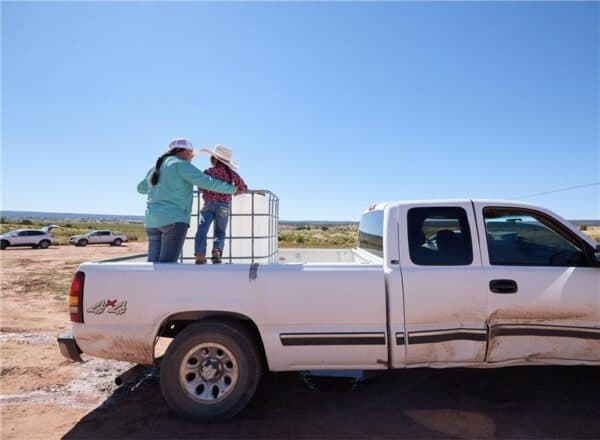
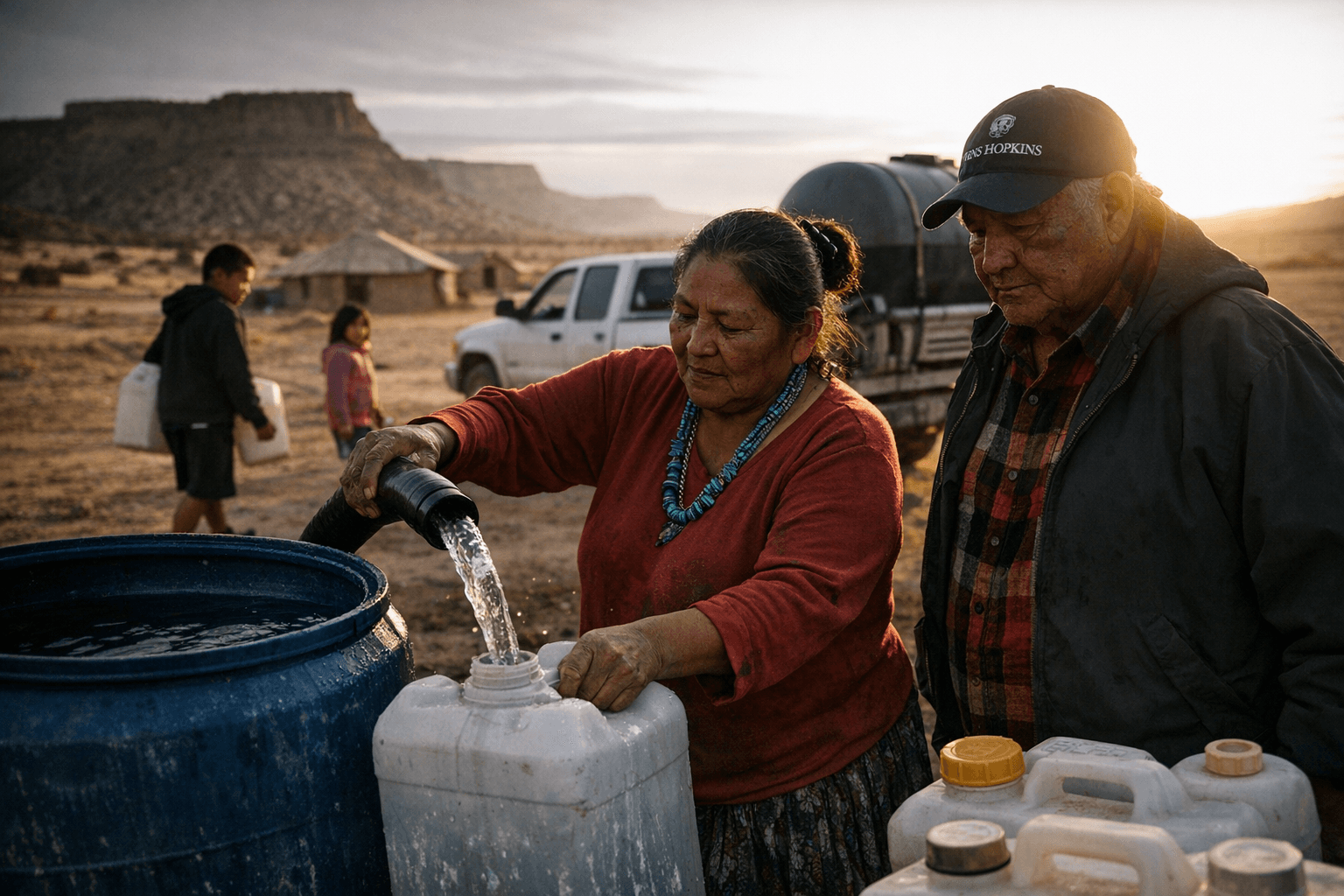
Hauling water remains a daily reality for many Navajo families, HEHSC Chair Vince R. James said after his committee unanimously accepted a new household water assessment plan.
The Navajo Nation's Health, Education and Human Services Committee voted 5-0 on March 9 to accept a report from the Johns Hopkins Center for Indigenous Health and the Navajo Area Indian Health Service outlining a new initiative to identify homes across the nation that lack piped water and wastewater services.
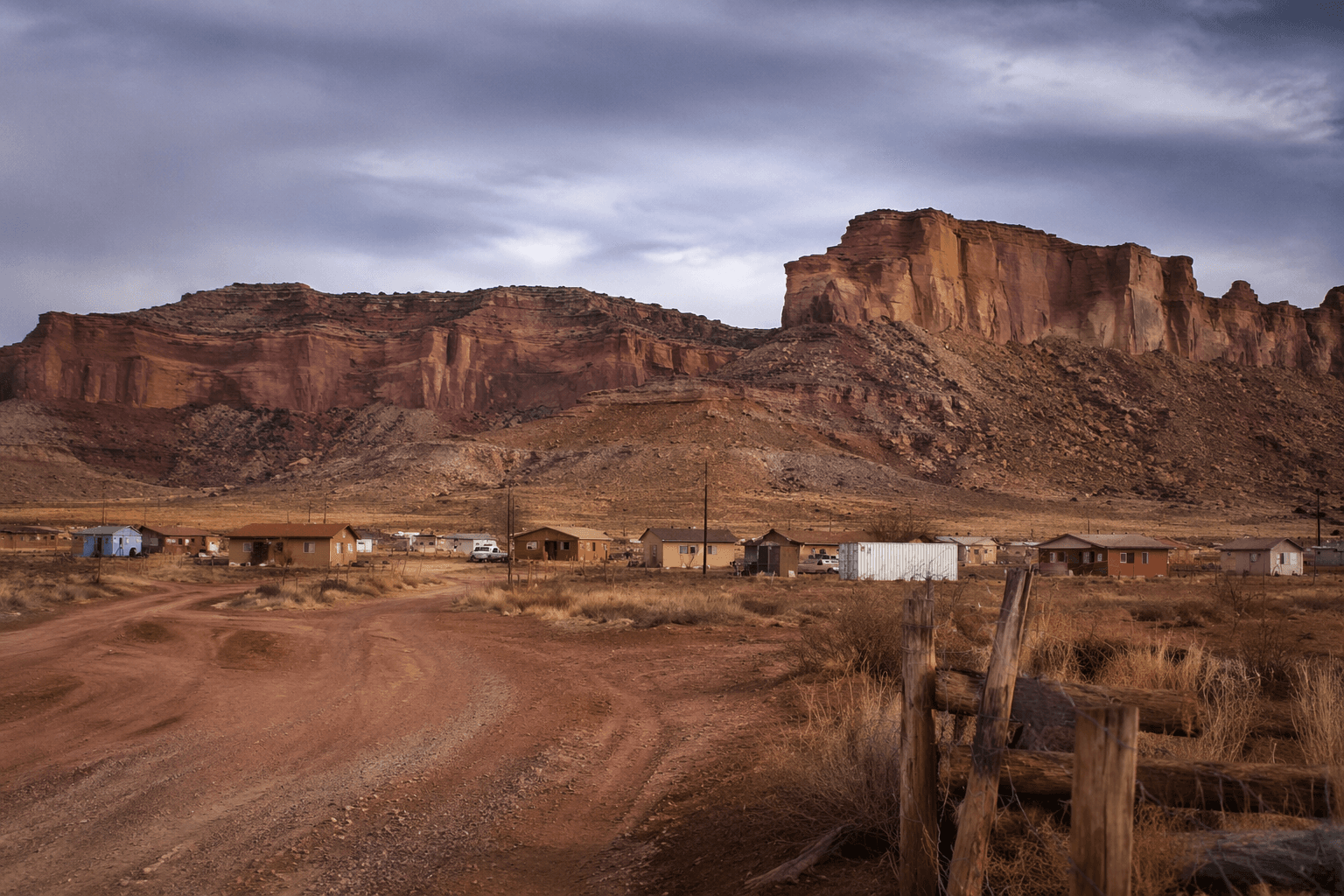
The Household Water Assessment Initiative builds on years of field research rooted in two specific agencies. Johns Hopkins launched the underlying Diné Household Water Survey in December 2021 with a pilot across the Fort Defiance Agency, completed that work in December 2023, then expanded to the Chinle Agency from April 2024 through September 2025. The new initiative formally presented to the committee in Window Rock represents the next stage: scaling that model to determine which homes are eligible for sanitation facility construction services and, eventually, reaching all 110 chapters of the Navajo Nation.
HEHSC Chair Vince R. James framed the work in terms of immediate need. "The goal is to streamline the process so we can get water to families faster. For many of our communities, hauling water remains a daily reality. Improving coordination and identifying homes that need service will help move these projects forward," he said.
Delegate Nez emphasized that community understanding must keep pace with the technical work. "When projects like this move forward, our chapters and residents need to understand what is happening and where the projects stand. Clear communication and accessible information will help communities stay engaged and informed," Nez said.
Committee members also discussed forming a technical advisory committee to improve coordination among tribal programs, federal agencies, and nonprofit partners working on water infrastructure across the nation. The methodology for the assessment is still being developed and will be brought back to the committee for review later this year.
The initiative carries significant federal backing. The Bipartisan Infrastructure Law allocated $3.5 billion to the Indian Health Service from fiscal year 2022 through fiscal year 2026, funding aimed at expanding clean drinking water access and wastewater services for American Indian and Alaska Native communities, and the Household Water Assessment Initiative is identified as a direct beneficiary of that allocation.
Johns Hopkins and IHS have been working in partnership with Navajo Nation leadership and the Navajo Nation COVID-19 Water Access Coordination Group to design a culturally tailored assessment capable of producing a representative data set across the entire nation. That data is intended to be widely disseminated to tribal government and stakeholders to guide future water infrastructure and policy decisions. The methodology presentation, expected later in 2026, will be a key marker of how quickly that expansion can realistically begin.
This article was produced by Prism’s automated news system from verified source data, official records, and press releases, then run through automated quality and moderation checks before publishing. The system is built and supervised by the people who set the standards it runs under. Read our full AI policy.
Did this article answer your question?