Light Up Navajo campaign returns to bring power to homes on reservation
Nearly 10,000 Navajo Nation homes still lacked power as crews returned to wire remote homes. The effort aims to cut through a stubborn infrastructure gap that reaches deep into Apache County.
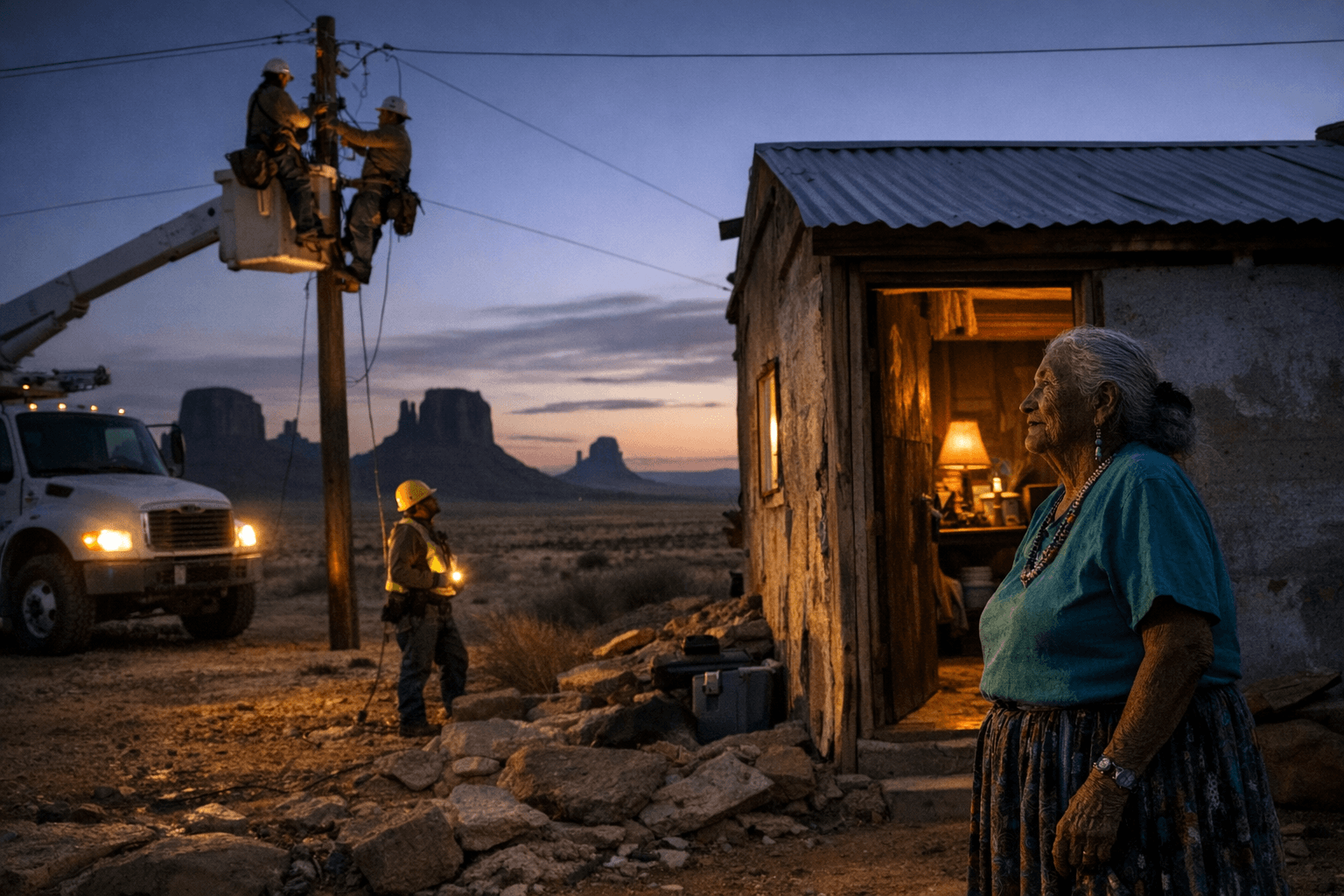
Nearly 10,000 homes on the Navajo Nation still lacked electricity as the seventh annual Light Up Navajo campaign returned this spring, sending utility crews back into remote parts of the reservation to wire homes, dig holes and set power poles. For Apache County, where much of the land lies inside Navajo Nation boundaries, the work cuts to a basic question of daily life: whether a family can keep food cold, run medical equipment, charge a phone, help a child finish homework or keep water access working through bad weather.
The latest round was scheduled to kick off Saturday, April 19, 2026, with Salt River Project, Arizona Public Service and more than four dozen other utilities expected to send crews. The project has grown into a coordinated mutual-aid response rather than a one-time charitable drive, with outside lineworkers joining Navajo Tribal Utility Authority crews to extend service into isolated homes that remain disconnected from the grid.
Who pays is part of what makes the program unusual. The American Public Power Association says Light Up Navajo reduces first costs by relying on volunteer mutual-aid crews, with volunteer time valued at about $440,000 and donations topping $272,000. In practice, that means utilities contribute labor, equipment and technical support while tribal partners handle the land, permitting and regulatory steps needed before construction can move ahead.
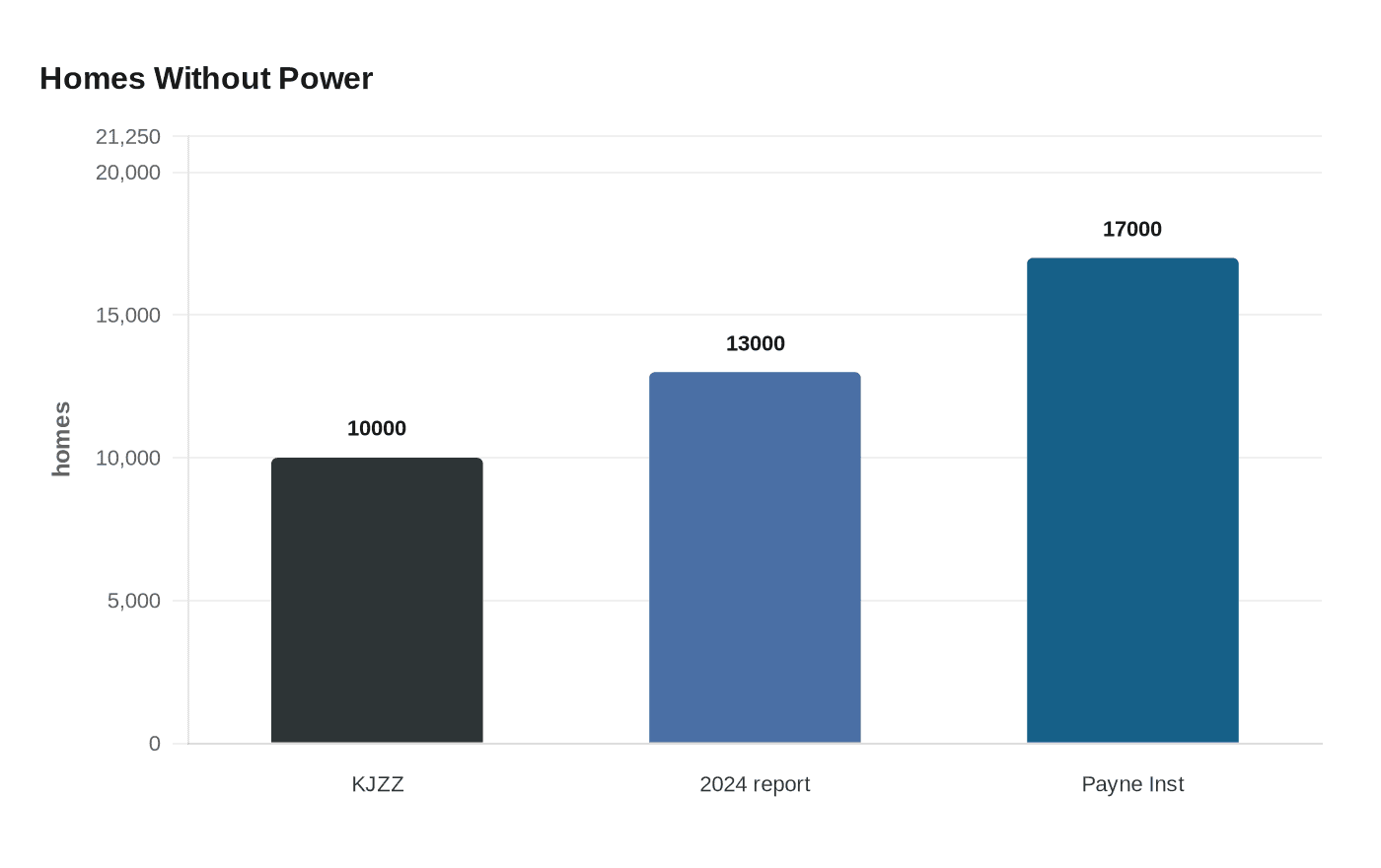
The scale of the need remains large. KJZZ reported that nearly 10,000 homes on the Navajo Nation still lacked power, while a 2024 report put the number as high as 13,000 disconnected households. A broader estimate from the Payne Institute for Public Policy found nearly 17,000 homes on tribal lands needed electricity hookups, most of them on the Navajo Nation. Last year’s effort electrified more than 1,000 homes in four months, showing that the campaign can move beyond isolated projects and produce measurable progress.
The program has been building for years. The American Public Power Association says Light Up Navajo began as a pilot in spring 2019, and Light Up Navajo IV in 2023 brought 176 volunteers from 26 utilities in 16 states, connecting 159 homes. Navajo Tribal Utility Authority says 44 outside utilities traveled to the Navajo Nation from April through August 2025, and the association says 53 electric utility companies signed up for the 2026 season, the most in any Light Up Navajo year.
Before crews can string wire to a remote home, applicants may still need approved homesite leases, survey plats, archaeology inventory reports and cultural resources compliance forms. That paperwork, along with the rough terrain and long distances across the reservation, helps explain why electrification in Apache County remains a slow, expensive public-service project rather than a quick fix.
This article was produced by Prism’s automated news system from verified source data, official records, and press releases, then run through automated quality and moderation checks before publishing. The system is built and supervised by the people who set the standards it runs under. Read our full AI policy.
Did this article answer your question?