Navajo Allottee Voices Frustration Over Long Term Chaco Protections
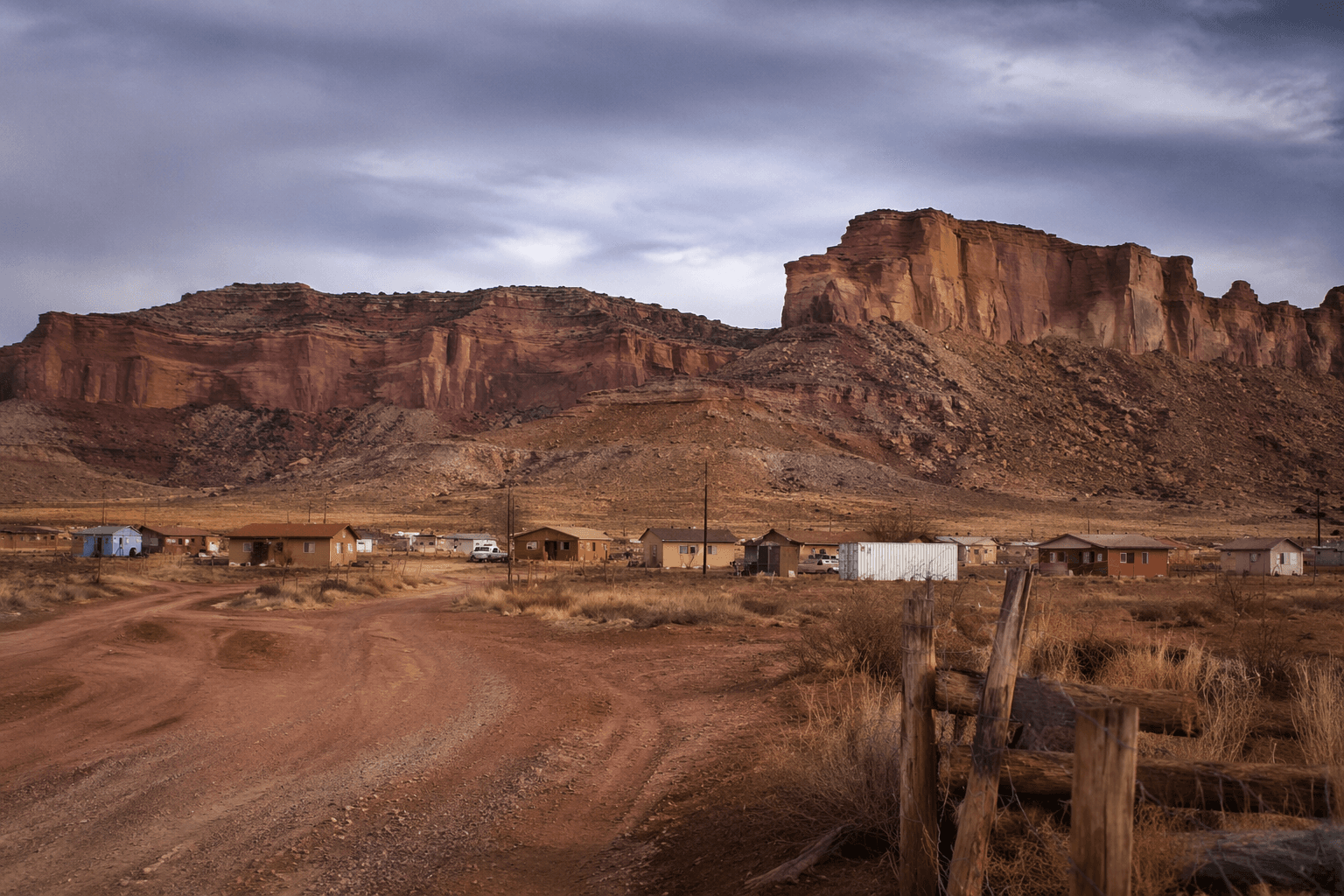
On December 18, 2025 Navajo allottee advocate Ervin Chavez publicly criticized Public Land Order 7923, saying the U.S. Interior Department order has produced unintended consequences for Navajo land authority and sovereignty. The debate matters to Apache County residents because local allottees and stakeholders face continued uncertainty over leasing, land use and political control until Congress acts.
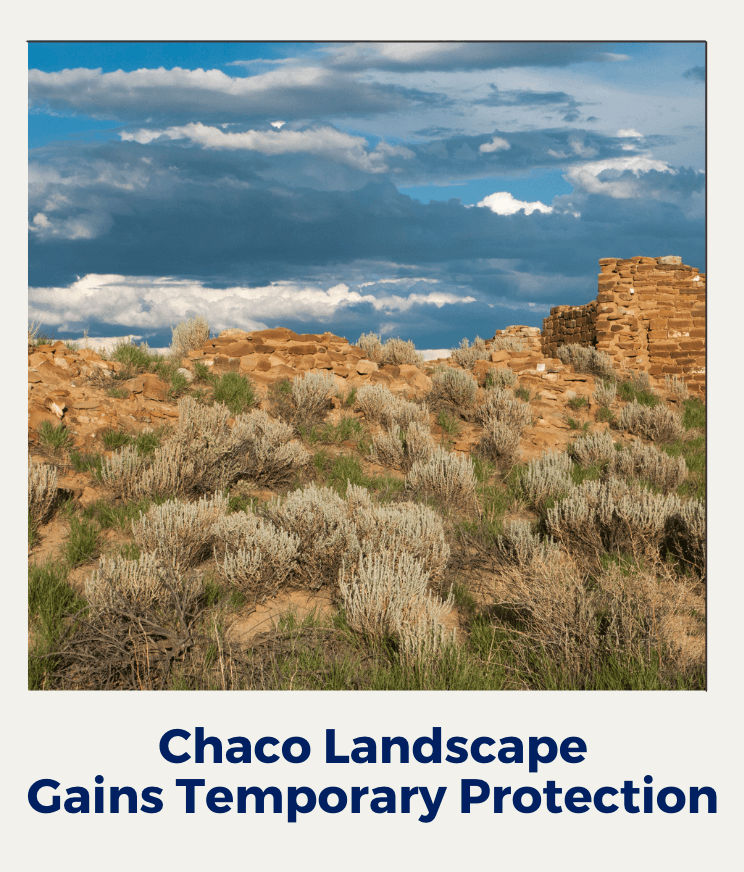
On December 18, 2025 Ervin Chavez, a Navajo allottee and advocate from the Eastern Agency, challenged the effects of Public Land Order 7923, the U.S. Interior Department order that established a 20 year, 10 mile buffer around Chaco Culture National Historical Park banning new oil and gas leasing. Chavez argued that while the order aims to protect cultural resources, it has reached beyond conservation to shape questions of Navajo land authority and tribal sovereignty.
The issue has become a focal point for local debate because the protections remove a swath of land from new leasing for two decades, leaving many allottees uncertain about the future of their land and livelihoods. Chavez said many allottees in the Eastern Agency are frustrated that Congress has not promptly reversed the order, and he framed the dispute as unresolved. These tensions reflect broader disputes between federal conservation policy and tribal land rights, and they have immediate consequences for families and communities in and near Apache County who hold allotments or depend on local energy and land use decisions.
Local stakeholders have a range of perspectives that complicate the policy landscape. Some residents and tribal members prioritize safeguarding Chaco cultural resources and landscape values for future generations. Others say the order constrains local authority over allotments and limits economic options at a time when many communities seek greater self determination and stable revenue sources. The uncertainty also complicates planning for local governments, tribal offices and leaseholders who must balance legal constraints with community needs.

The question now turns to Congress and to federal tribal consultations on how to reconcile protection of cultural sites with respect for tribal governance and allottee rights. For Apache County residents the debate underscores the continuing importance of clear legal pathways and active engagement between federal agencies and Navajo Nation leaders. Until a legislative or administrative resolution is reached, affected allottees will continue to contend with limits on leasing, ambiguity over land authority, and the broader implications for sovereignty and local economic planning.
This article was produced by Prism’s automated news system from verified source data, official records, and press releases, then run through automated quality and moderation checks before publishing. The system is built and supervised by the people who set the standards it runs under. Read our full AI policy.
Did this article answer your question?