Navajo Cancer Patients Gain RECA Compensation but Still Lack Local Care
Rep. Leger Fernández met Navajo RECA patients at a New Mexico cancer center, but Chinle residents still travel 80+ miles each way for chemotherapy, with no local oncology in sight.
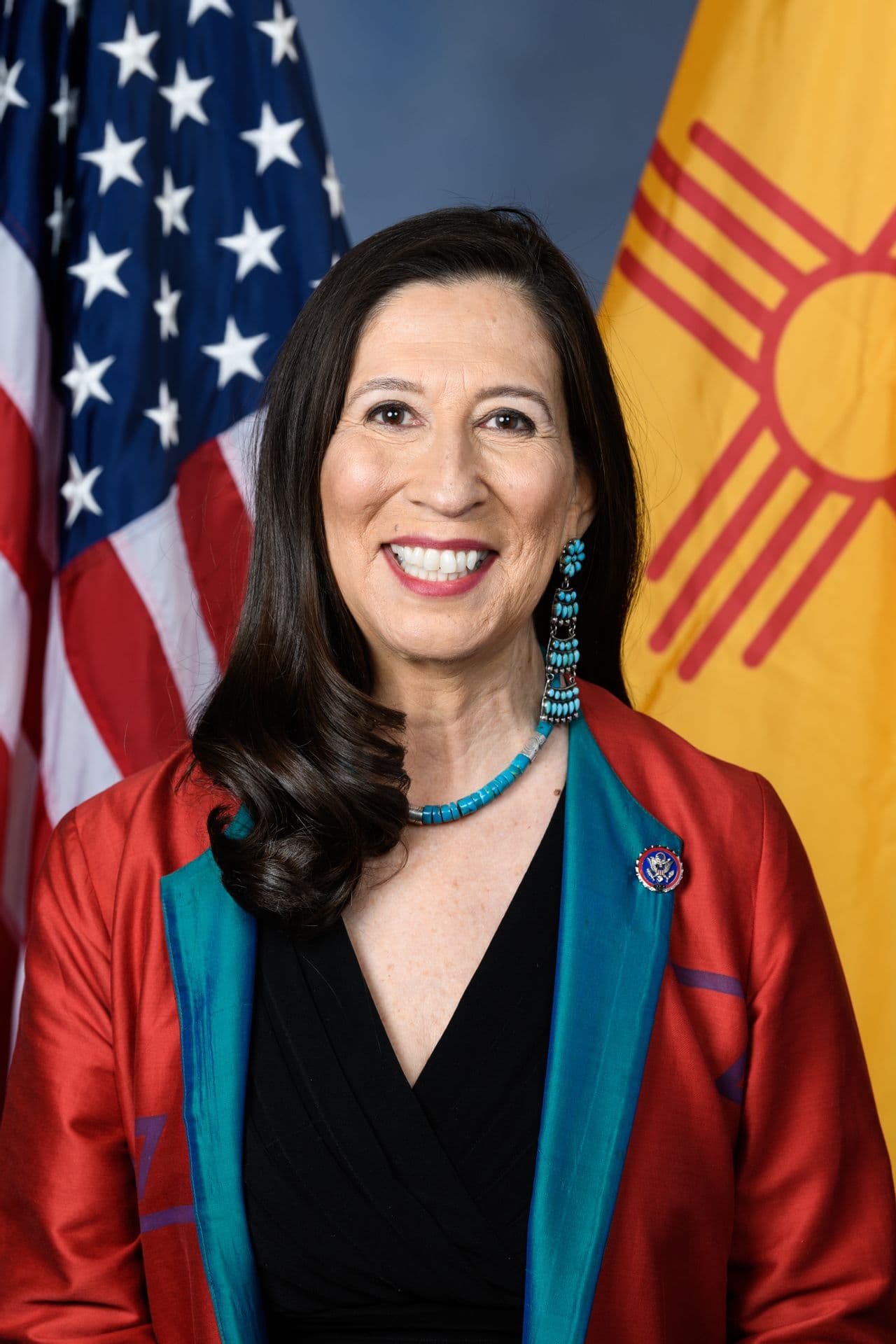
U.S. Rep. Teresa Leger Fernández stood inside the New Mexico Cancer Center last week alongside Navajo uranium-exposure patients and advocates, marking the expansion of the Radiation Exposure Compensation Act with the communities it was built to serve. The visit captured both the promise and the limits of what RECA can do: the act now compensates downwinders and uranium workers who developed specific cancers, but it does not build an oncology clinic in Chinle.
For Apache County residents living in and around Chinle, the federal compensation milestone arrives against a care landscape that has barely changed. The Chinle Comprehensive Health Care Facility, operated by the Indian Health Service, provides inpatient and outpatient services to Navajo, Hopi, and other tribal members, but specialized cancer treatment is not among them. A patient newly diagnosed with cancer in Chinle faces an immediate logistical reckoning: the nearest cancer treatment center is more than 80 miles away, one way. For some patients, the distance to a treatment facility alone is comparable to driving from Washington, D.C. to New York City, a trip they must repeat weekly or more often throughout a course of chemotherapy or radiation.
The Navajo Nation covers 27,000 square miles across Arizona, Utah, and New Mexico, and its patients routinely cover distances to reach care that most Americans would consider a road trip. The Gallup Indian Medical Center, the Tuba City Regional Health Care Corporation's specialty care center, which added chemotherapy services in 2019, and academic medical centers in Flagstaff and Phoenix anchor the care network for Navajo patients. But patients requiring radiation therapy, bone marrow transplants, or rare-cancer treatment must reach academic centers; Phoenix alone sits more than 220 miles from the western reaches of the Nation.
Navajo uranium miner Phil Harrison, who was present when the U.S. Senate passed the RECA expansion, put the weight of that moment in terms that named exactly what the vote could not fix. "While the vote was being completed, I thought of all those people that were sick or suffering from cancer, miners that are on oxygen," Harrison said.
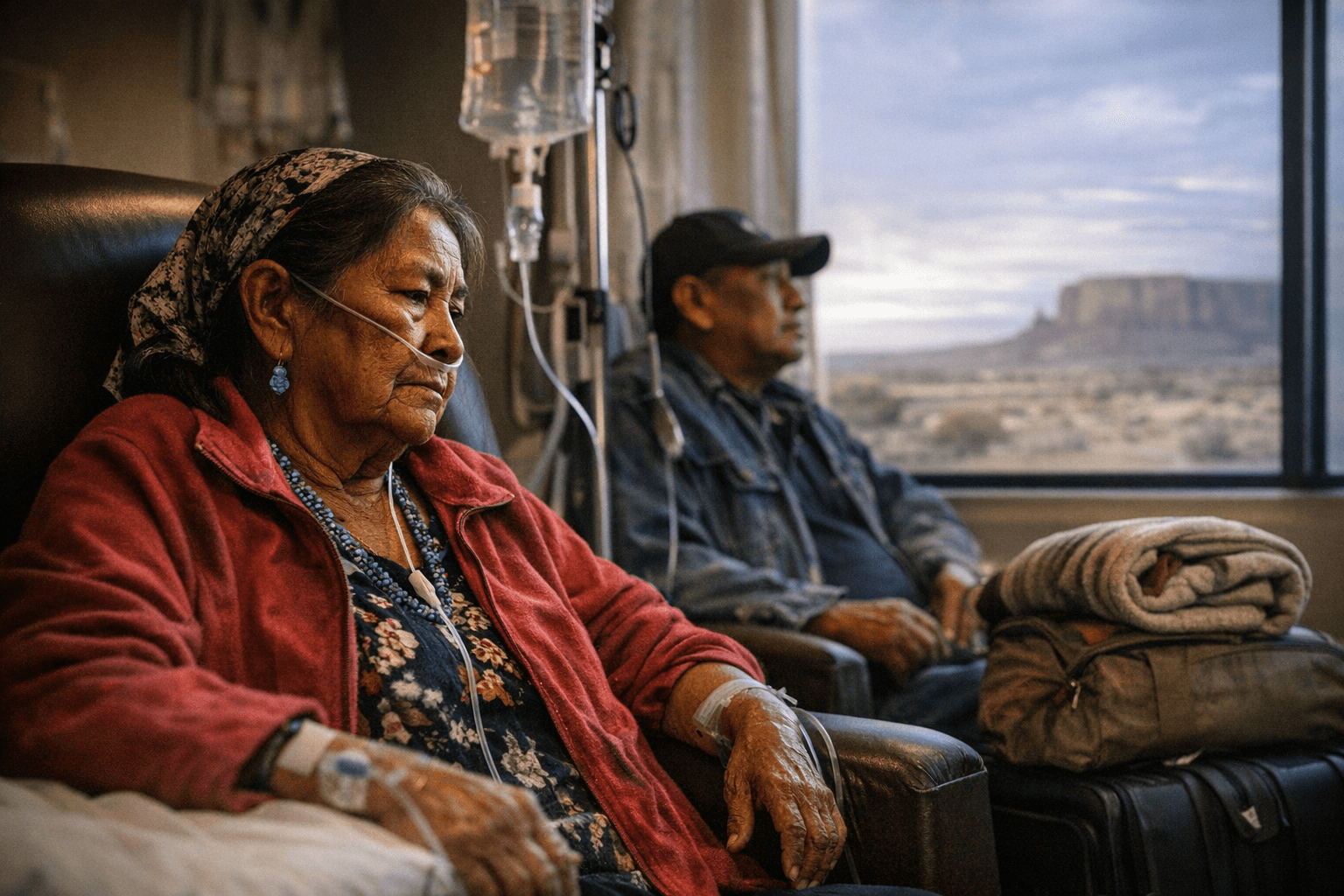
The travel burden translates directly into financial attrition that RECA payments alone may not offset. Gas, hotel nights, and missed wages compound across a multi-month treatment course. Organizations like the Cancer Support Community have worked to provide patients with gas cards and help coordinate lodging near treatment facilities, but that patchwork support does not replace a local infusion center or a functioning telehealth link to an oncologist.
Health advocates and tribal health providers have consistently pointed to the same structural fixes: mobile oncology units rotating through rural chapters, tele-oncology services contingent on reliable broadband, trained patient navigators to coordinate long-distance care, and federal legislation requiring the Indian Health Service to cover the full cost of specialized cancer treatment, which current law does not mandate. The Tuba City center demonstrates what community-based oncology can look like on the Nation. Chinle and its surrounding Apache County chapters have no equivalent.
Leger Fernández has spent years fighting for RECA as a form of long-overdue recognition for communities that mined uranium for the federal weapons program and bore the resulting cancer burden for decades. The New Mexico Cancer Center visit marked a genuine turning point for eligibility. The next test is whether the political will that produced RECA compensation will extend to the transportation funding, mobile clinics, and telehealth infrastructure that determine whether a Chinle patient can actually use it.
This article was produced by Prism’s automated news system from verified source data, official records, and press releases, then run through automated quality and moderation checks before publishing. The system is built and supervised by the people who set the standards it runs under. Read our full AI policy.
Did this article answer your question?