Navajo Groups Oppose FERC Rule Seen as Weakening Tribal Consultation Rights
Navajo groups oppose a federal rule that would let hydropower developers bypass tribal objections, potentially reopening three rejected Black Mesa pumped-storage projects near Kayenta.
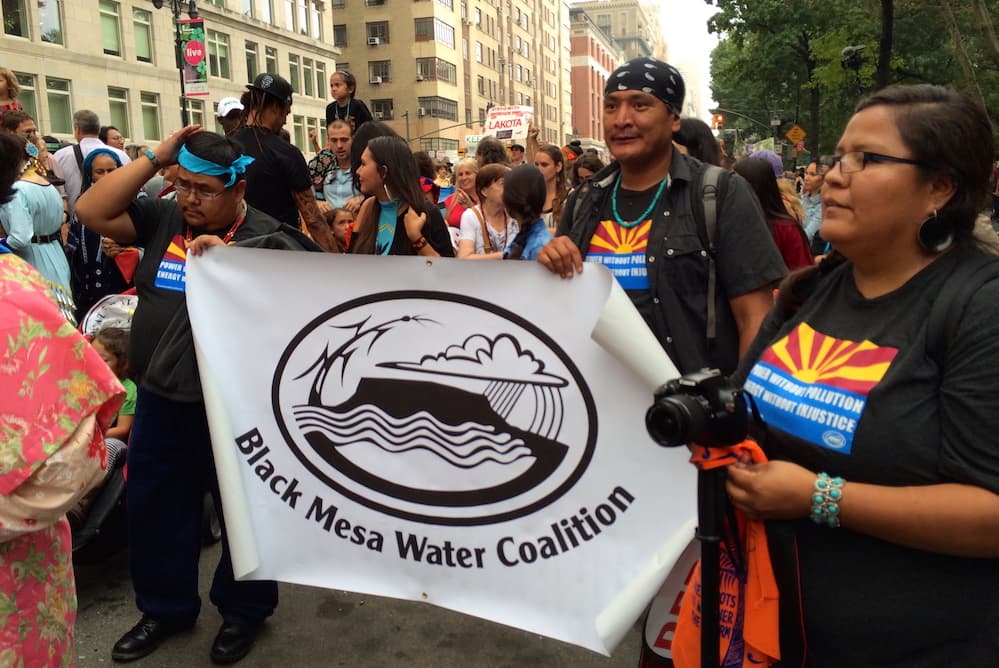
The Navajo Nation and allied tribal organizations formally demanded that federal regulators abandon a proposed rule that would strip tribes of their effective veto over early-stage hydropower permitting, warning it would reopen a pathway for three pumped-storage projects near Kayenta that the Nation successfully blocked in 2024.
The proposal, filed under Federal Energy Regulatory Commission Docket RM26-5, stems from an October 23, 2025, letter from Energy Secretary Chris Wright directing FERC to initiate rulemaking under Section 403 of the Department of Energy Organization Act. The rule would clarify that "an application for a preliminary permit will not be denied solely on the basis of opposition from a third party," a phrase that explicitly covers tribal governments.
At stake is a February 2024 FERC policy that denied preliminary permits for seven hydropower projects on Navajo Nation land, including three pumped-storage proposals by the company Nature and People First at Black Mesa near Kayenta. Those three projects, designated Black Mesa North, East, and South, would have collectively stretched roughly 40 miles of the Navajo Reservation from the community of Chilchinbito to Kayenta. The Black Mesa North project alone was estimated to generate 5 billion kilowatt-hours of electricity per year, the same annual output as Glen Canyon Dam at full capacity, but would require moving staggering volumes of water through an already drought-stricken plateau.
In a filing at FERC, the Navajo Nation argued the 2024 policy has already produced tangible results, stating it "facilitated engagement between developers and the Navajo Nation and early project coordination, important components of project success when considering the multi-decade permitting, construction, and operation timelines for large-scale hydroelectric power projects."
The Pyramid Lake Paiute Tribe, based in Nevada, went further, calling the proposed change a "plain violation of Tribal sovereignty." More than 20 tribes and tribal associations, concentrated in the Southwest and Pacific Northwest, filed comments opposing the rulemaking.
Procedural fairness emerged as a second front of opposition. Wright gave affected parties only two weeks to submit comments, compared to the standard 30 to 60 days reserved for proposed rule changes. He also invoked a rarely used Federal Power Act authority demanding a FERC final decision no later than December 18, 2025.
Amy Trainer, director of the Environmental Protection Information Center, argued the rule would backfire on its own stated goals: "Far from expediting hydropower development, such a rule would create unnecessary delays and uncertainty, diverting attention from projects that could advance with Tribal support."
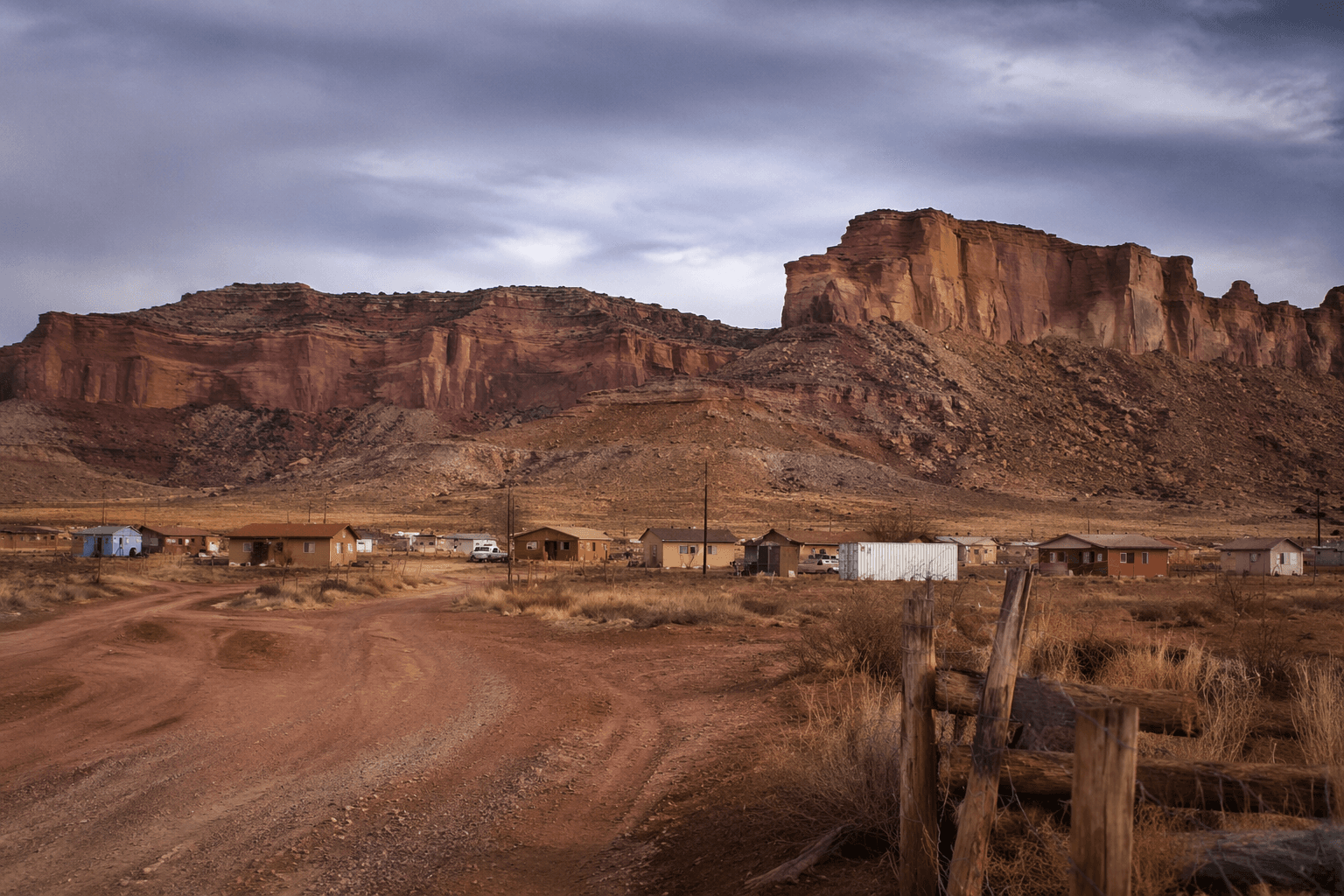
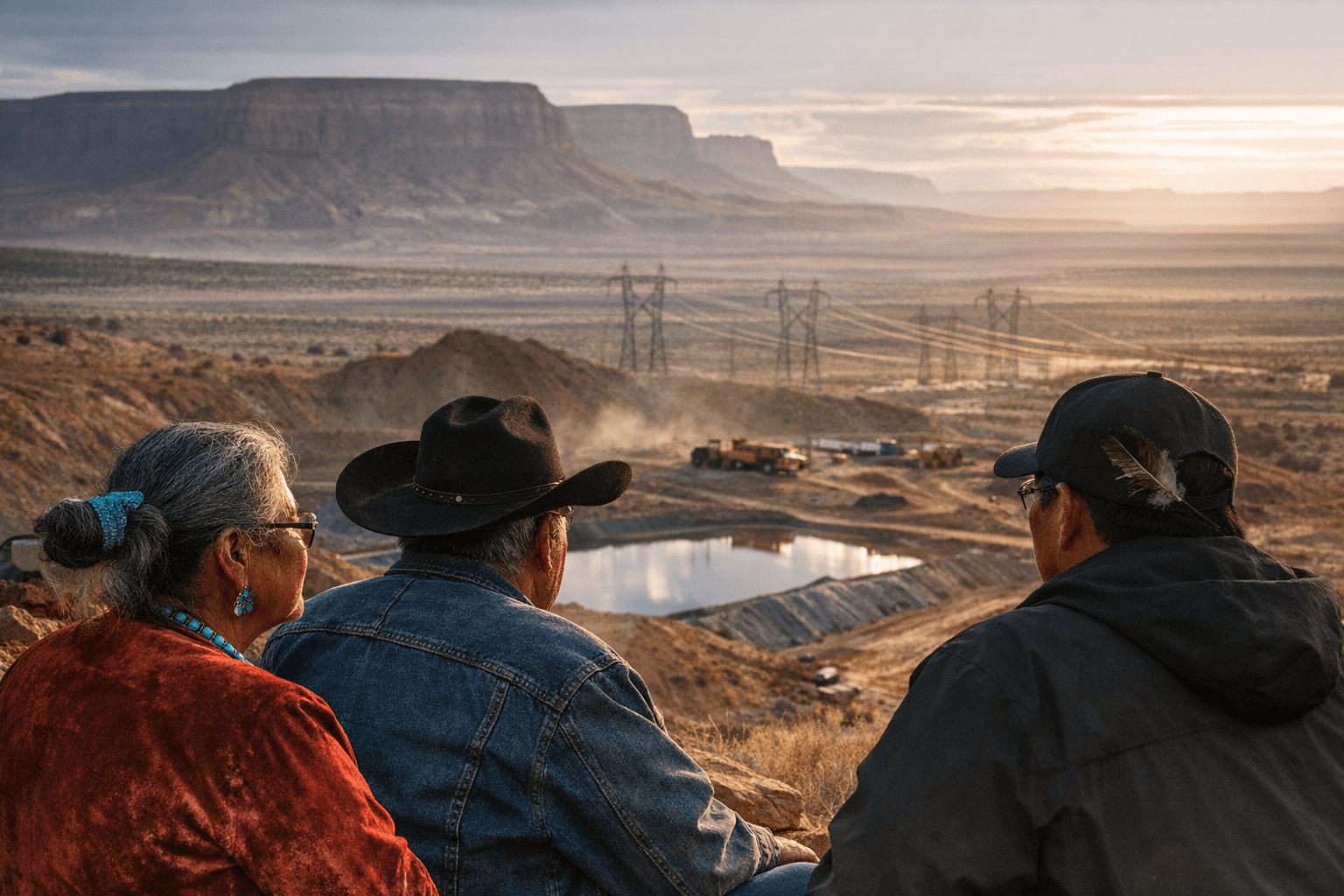
For Navajo communities across Apache County, the fight carries particular weight. Black Mesa, the sprawling plateau that has defined the region's energy extraction history through decades of coal mining, would again face outside developers filing federal applications before securing consent from the people who live there. The 2024 policy had made tribal opposition sufficient grounds for FERC to deny a preliminary permit at the earliest stage. If the proposed rule takes effect, that protection disappears, and a new round of feasibility applications could proceed regardless of what Navajo chapters, grazing permit holders, or the Nation itself decides.
This article was produced by Prism’s automated news system from verified source data, official records, and press releases, then run through automated quality and moderation checks before publishing. The system is built and supervised by the people who set the standards it runs under. Read our full AI policy.
Did this article answer your question?