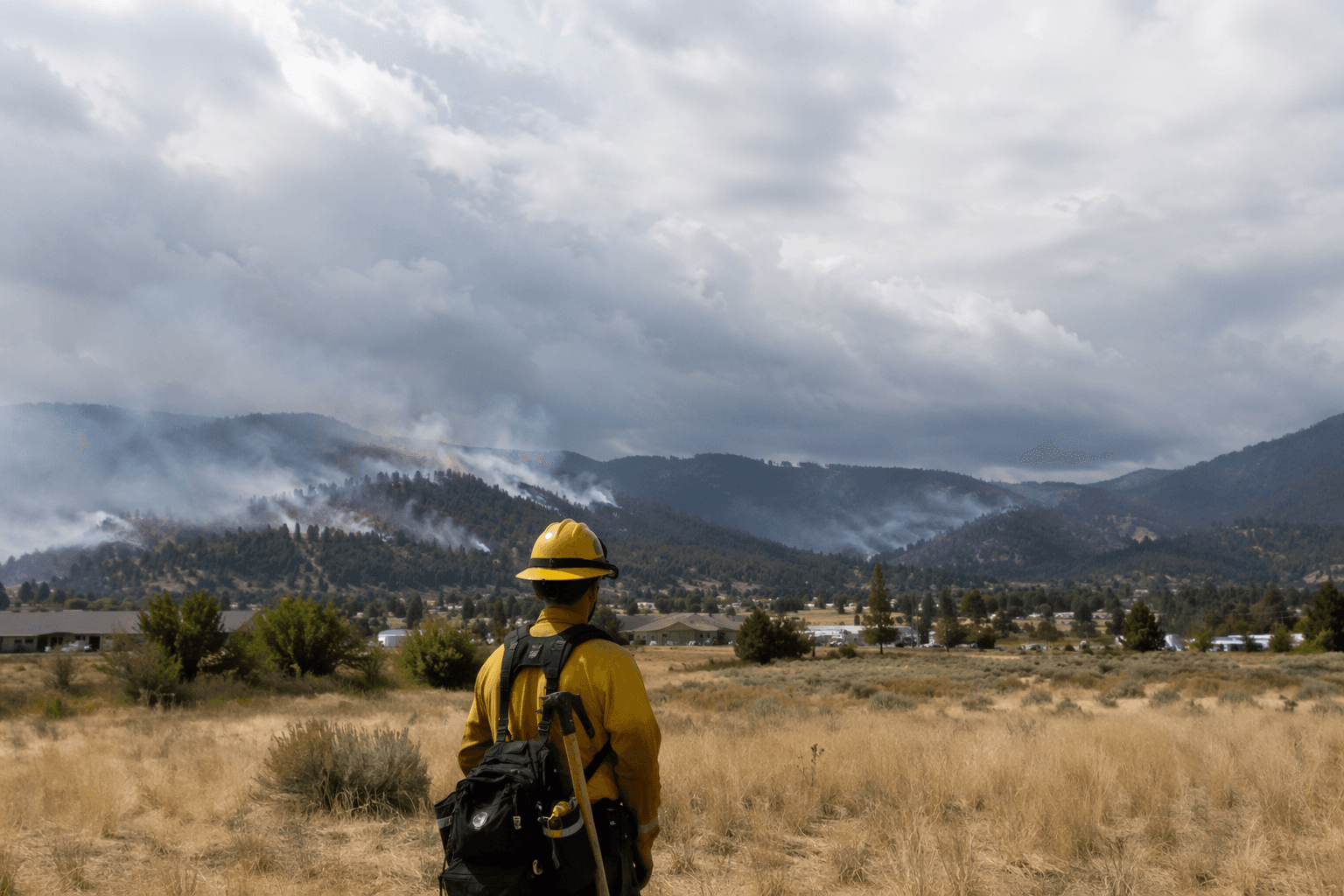
Navajo MMDR Task Force Drills Child Abduction Response with Tribal Partners
The MMDR Task Force ran an advanced child-abduction tabletop drill March 30, stress-testing jurisdiction handoffs between Navajo Police, chapter houses, and the FBI.
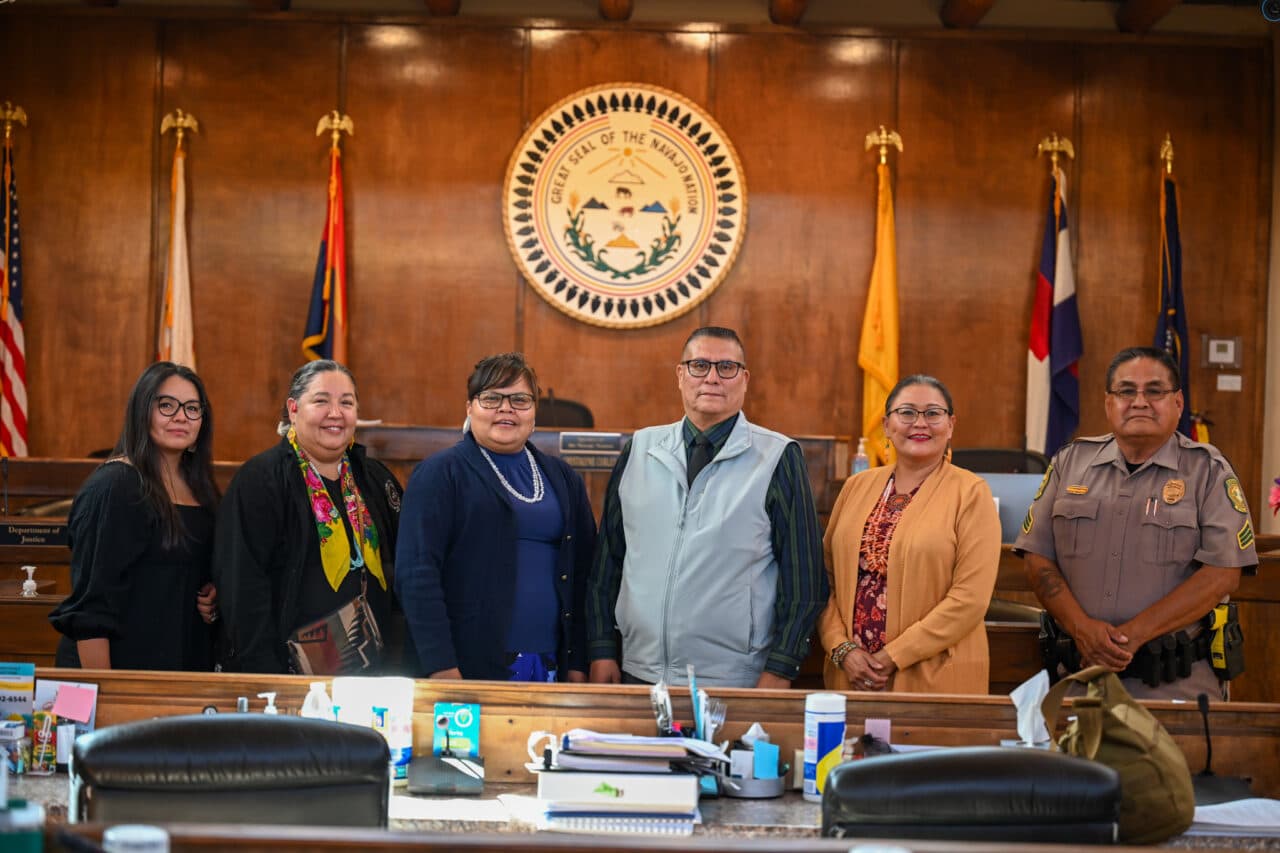
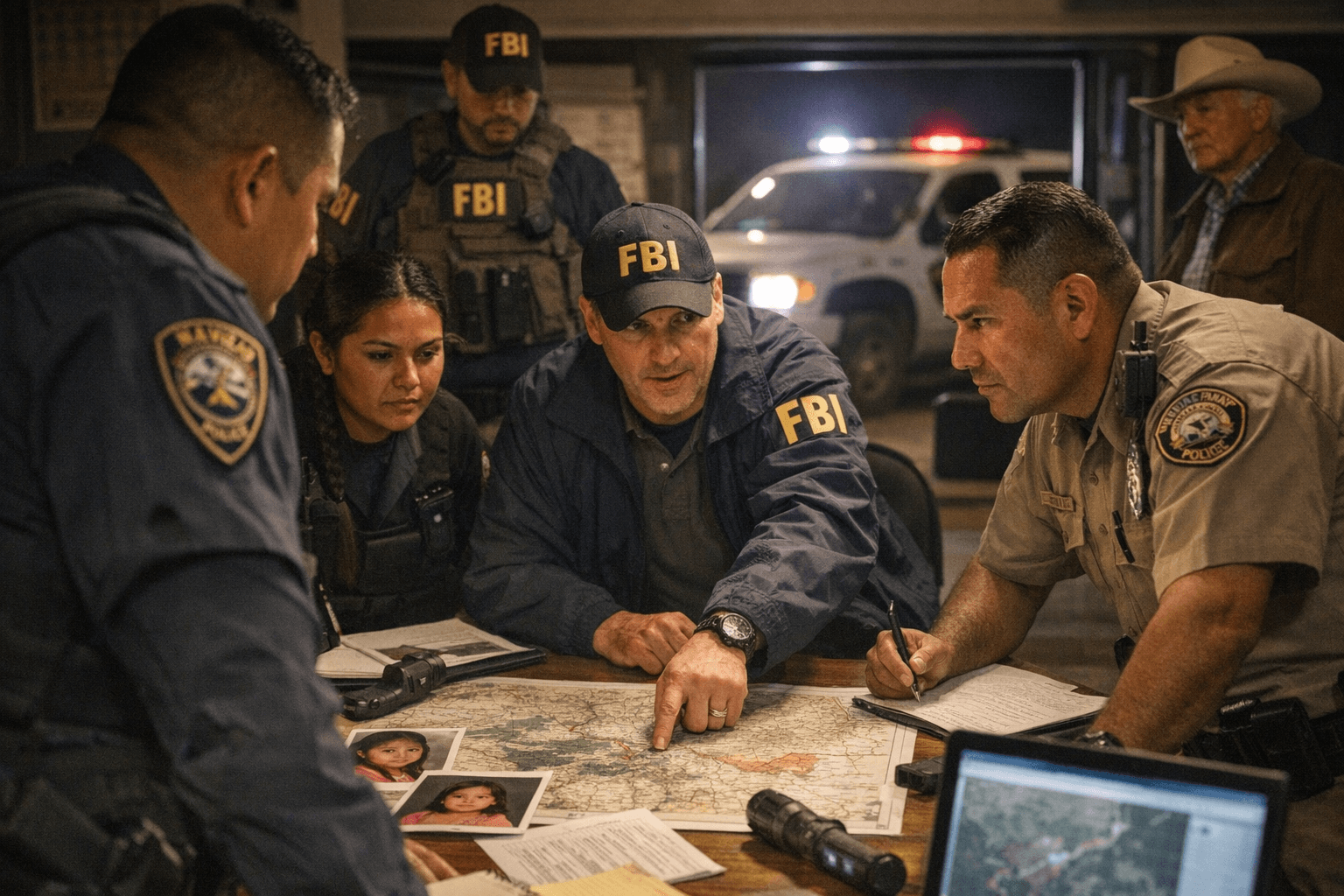
The Missing and Murdered Diné Relatives Task Force ran its most demanding child-abduction response drill yet on March 30, walking Navajo Nation Police, chapter emergency managers, family advocates, and federal partners including FBI and U.S. Department of Justice victim-services units through simulated scenarios designed to expose exactly where the response chain breaks down.
The advanced tabletop exercise, convened under the 25th Navajo Nation Council calendar, combined scenario-based simulation with hands-on training on the Tribal Community Response Plan, the framework that governs how chapter-level responders communicate upward to Navajo Nation public-safety offices and outward to federal agencies when a child goes missing. Unlike earlier baseline sessions, the March 30 exercise pushed participants through complex scenario variables: simultaneous jurisdiction questions across tribal land, county land, and overlapping federal authority; communications blackouts between chapter houses and central dispatch; and evidence-preservation decisions that must be made in the first hour before FBI involvement is fully triggered.
That jurisdictional tangle is not hypothetical for Apache County communities. In areas like Chinle, a single missing-child incident can place Navajo Nation Police, county authorities, and federal agents on the same scene with no single agency holding unambiguous command authority in the opening minutes. The Tribal Community Response Plan targets that gap directly by standardizing who notifies whom, in what sequence, and what information must travel with each handoff.
The Task Force drew participants from tribal law enforcement, chapter leadership, Navajo Nation public-safety offices, and social-service agencies. The "advanced" designation signals that attending agencies already had baseline familiarity with the plan and were pressure-testing it under harder conditions: whether chapter emergency managers could reach Navajo Nation Police when normal communications fail, and whether family advocates could be integrated into an active response without compromising evidence integrity.
The Navajo Nation Council public notice indicates next steps will include revisions to the response plan based on lessons from the exercise, followed by dissemination of updated guidance to chapter houses across the Nation. Additional tabletop exercises scaled to individual agencies or clusters of neighboring chapters are also under consideration. Families and advocacy groups who have long pushed for stronger missing and murdered Indigenous persons coordination will be watching whether those revisions produce measurable results: faster case intake, clearer evidence-management protocols, standardized interagency notification, and consistent family communication in the first critical hours.
The Task Force's documented training work also carries budget consequences. Demonstrated coordination improvements and specific gaps recorded during exercises strengthen federal grant applications and technical-assistance requests to the FBI and DOJ, channels that could direct additional public-safety resources toward Apache County's most persistent jurisdictional blind spots.
This article was produced by Prism’s automated news system from verified source data, official records, and press releases, then run through automated quality and moderation checks before publishing. The system is built and supervised by the people who set the standards it runs under. Read our full AI policy.
Did this article answer your question?