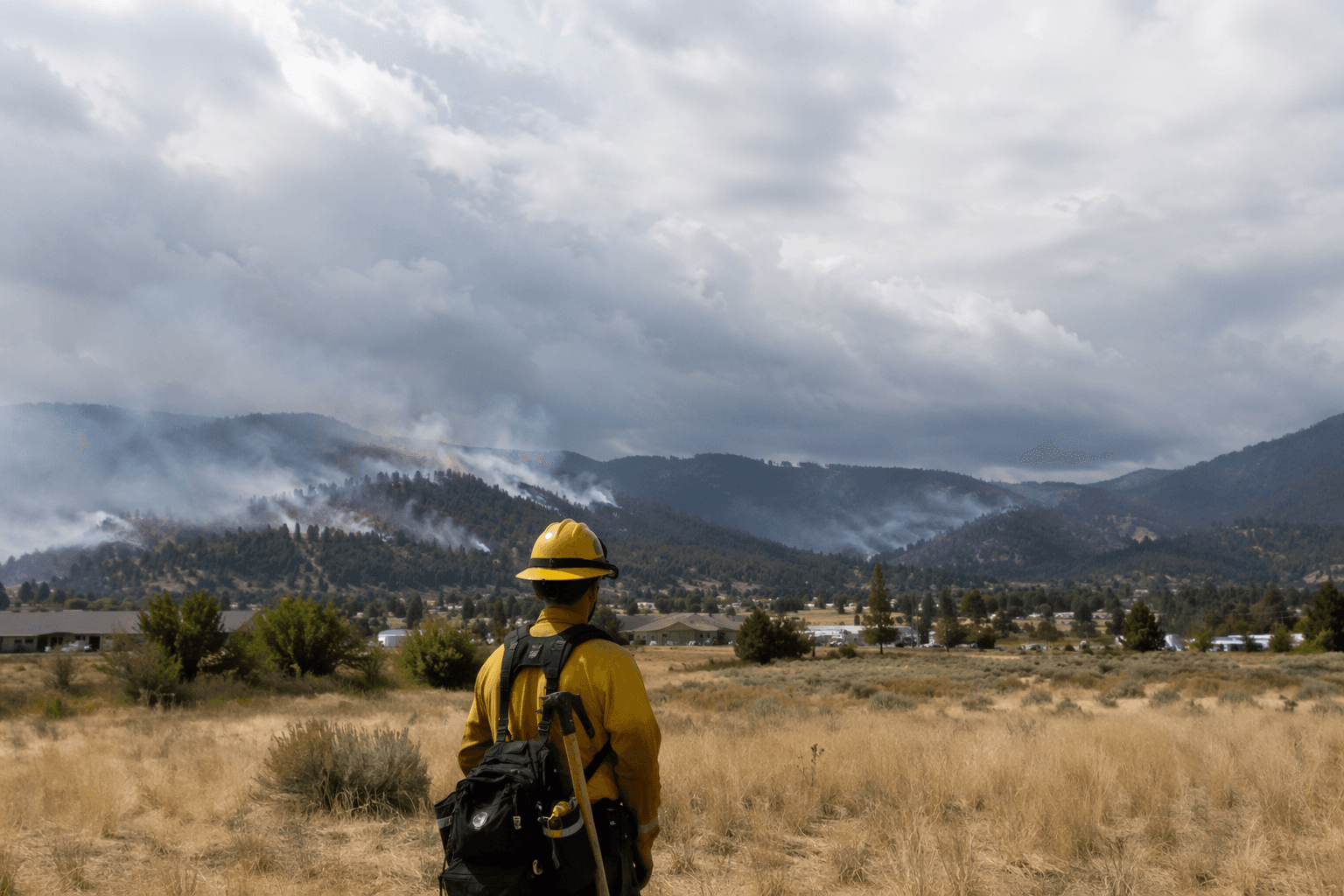
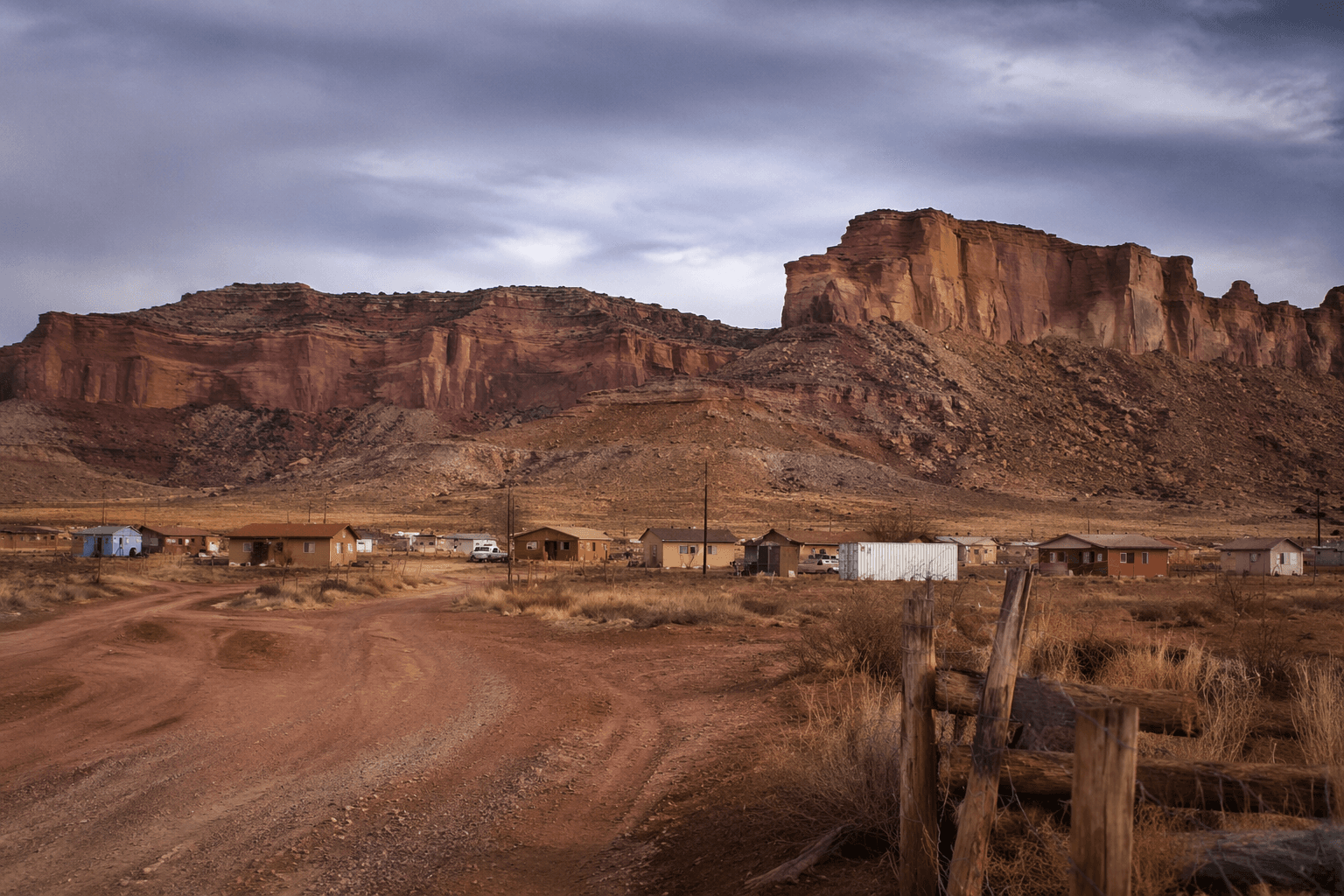
Navajo Nation Council partners with ASU to boost data-driven governance
Navajo leaders met ASU’s Decision Theater in Window Rock to turn data into policy tools, with a $1 million move already tied to the MMDR database.
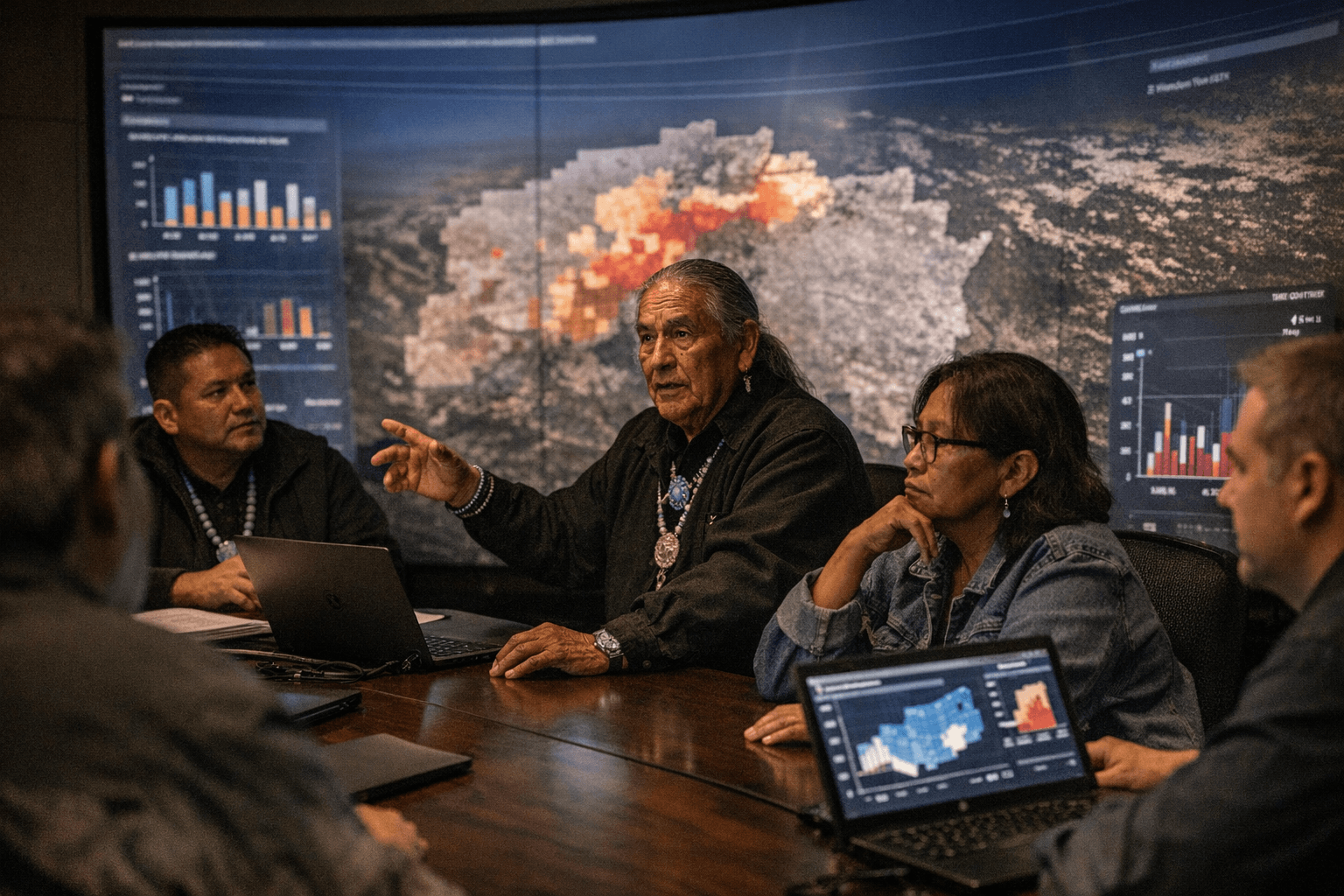
The Navajo Nation Council brought Arizona State University’s Decision Theater team to Window Rock on Friday to explore how advanced data modeling could sharpen tribal decisions on public safety, resource management and other priorities across the Navajo Nation.
Speaker Crystalyne Curley, Council Delegate Amber Kanazbah Crotty and Shaandiin Parrish were among the leaders present, along with representatives from Diné College, Navajo Technical University and the Navajo Nation Division of Public Safety. The Council described Decision Theater as an advanced visualization and collaboration environment that combines data analytics, high-performance computing and interactive modeling so leaders can work through complex problems with visual, scenario-based tools.
ASU says the system is built to translate large data sets into interactive models that can help policymakers weigh choices in areas such as population growth, public health, education and environmental factors. The platform also relies on major computing capacity at an ASU data center, including more than two thousand cores and petabytes of storage, to handle large and complicated data sets.
The meeting followed Curley’s February visit to the ASU campus, where she learned more about Decision Theater before inviting the team to present to the Council and executive branch directors. That makes the Window Rock visit more than a ceremonial exchange. It points to a growing effort by Navajo leaders to build a stronger internal data capacity for decisions that affect daily life, from service delivery and budgeting to public safety coordination and long-term planning.
The stakes are especially high in Apache County, where the Navajo Nation makes up about two-thirds of the population and more than half of the land area. For county residents, tribal data systems are not abstract policy projects. They shape how leaders plan roads, schools, health services and emergency response across a wide geographic area.
The data conversation is already tied to one urgent tribal priority. Crotty asked President Buu Nygren to commit $1 million to complete the Missing and Murdered Diné Relatives database to be hosted at Navajo Technical University. Nygren responded with a $1 million commitment and said his office would help complete the database with NTU, while the Navajo Nation Division of Public Safety would work with the university to finalize the data.
That link between Decision Theater and the MMDR database shows where the partnership could matter most: not just in collecting information, but in deciding how Navajo institutions keep control of it and use it to guide tribal policy.
This article was produced by Prism’s automated news system from verified source data, official records, and press releases, then run through automated quality and moderation checks before publishing. The system is built and supervised by the people who set the standards it runs under. Read our full AI policy.
Did this article answer your question?