Navajo Nation to hold hearings on adult protection law updates
Navajo officials are rewriting adult protection rules that affect abuse reports, investigations and access in Apache County, with hearings set for July through September.
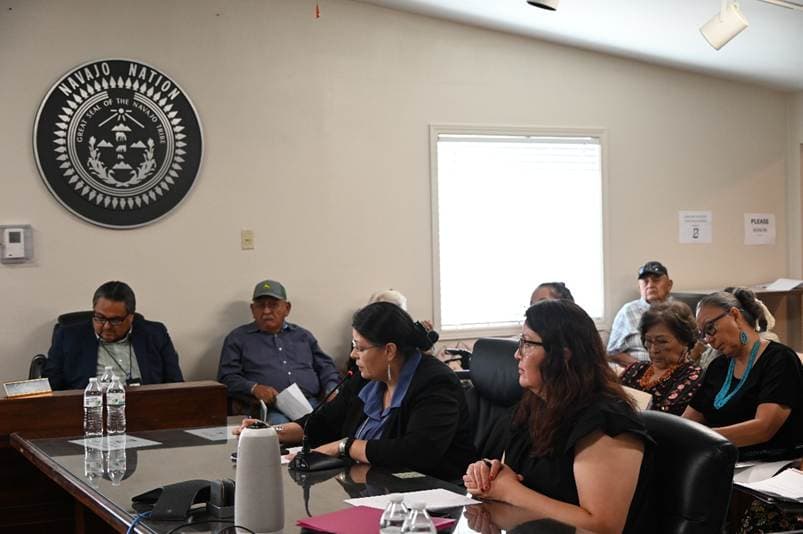
The Navajo Nation is moving to tighten how it protects vulnerable adults, a change that could affect how abuse and neglect cases are reported, investigated and handled in Apache County communities from Chinle to Springerville. The revisions to the Vulnerable Adult Protection Act are meant to modernize a law first enacted in March 2012, and officials said they are trying to build a system that better matches the realities families, caregivers and service agencies face now.
The Navajo Division for Children and Family Services reported the proposed changes to the Health, Education, and Human Services Committee after working with partners on the rewrite for the past year. The amendments have been sent to Navajo Department of Justice attorneys for legal review, and the division plans public hearings beginning in July, with two more in August and two in September 2026. Officials said the hearings are designed to gather recommendations from community members, caregivers, elders, service providers, chapter officials and local leadership before the final version moves ahead.
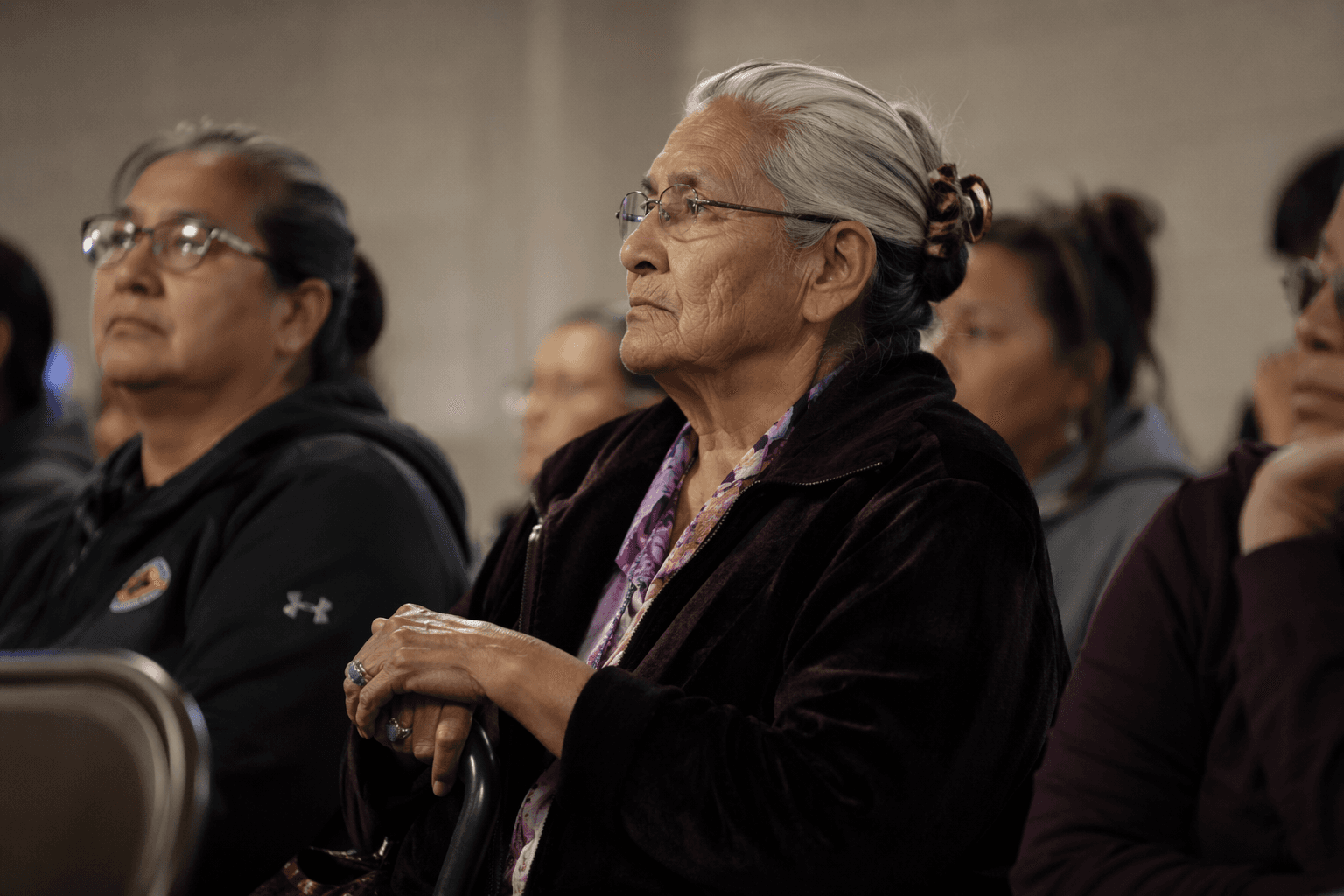
The law matters because it covers vulnerable adults 18 and older who may be facing physical, verbal, sexual or emotional abuse, as well as neglect or abandonment. Navajo Division for Children and Family Services says its Adult Protective Services program investigates abuse, neglect, self-neglect, exploitation and isolation or abandonment for vulnerable adults and elders within Navajo Nation jurisdiction. That gives the rewrite direct weight for residents who depend on tribal systems when a relative, neighbor or client is at risk.
For Apache County, the issue is not abstract. Elders and vulnerable adults in Navajo Nation border communities often navigate both tribal and local systems, and the way cases are reported can determine whether help arrives quickly. In Dilkon Judicial District, the family court says it does not require notarized signatures on pro se petitions for Domestic and/or Vulnerable Adult Protection Orders, and it may accept petitions by phone or email when people cannot print forms or get transportation. Those procedures point to the same access barriers the revision effort is trying to address.
Hoskie Benally Jr., president of the Navajo Nation Advisory Council on Disabilities, said, "There are probably 35,000 to 40,000 Navajos with disabilities." Benally, who is legally blind and works with the Native American Disability Law Center on disability systems advocacy, has argued for accessibility that reaches people in Navajo and also in formats usable by people with visual or hearing impairments.
The division said the hearings will be set up so the process is accessible in Navajo and to people with disabilities, a crucial detail on a Nation where language access and disability access can decide who gets heard. The Navajo courts still list VAPA among the laws relevant for district courts, and the peacemaking system says its 2012 plan of operations incorporated the act. Taken together, the rewrite looks less like a routine update than an effort to make vulnerable-adult protection easier to use, easier to enforce and harder to ignore.
This article was produced by Prism’s automated news system from verified source data, official records, and press releases, then run through automated quality and moderation checks before publishing. The system is built and supervised by the people who set the standards it runs under. Read our full AI policy.
Know something we missed? Have a correction or additional information?
Submit a Tip

