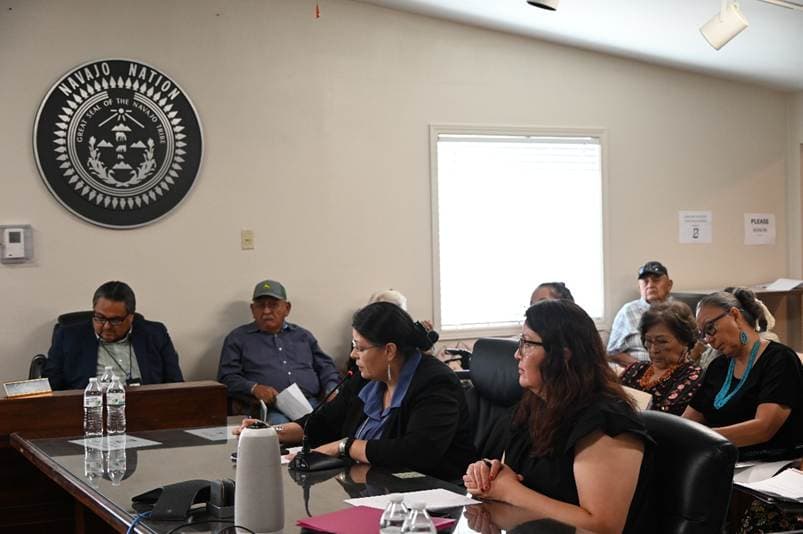
Navajo Nation touts water repairs, mine cleanup and land protections
Water hookups, windmill repairs and mine cleanup are reaching Navajo communities now, while drought and uranium transport rules sharpen the stakes.

The Navajo Nation is pointing to a set of projects that affect daily life in Apache County first: fewer water-hauling trips, more working livestock systems, and cleaner land around long-neglected mine sites. In its June 20 update, the administration said 258 homes were connected to water and wastewater systems, while repairs to windmills and livestock water facilities were meant to keep ranching households and remote chapters supplied as drought conditions worsen.
Visible changes on the ground
For families in Cove, Round Rock and Lukachukai, the most immediate payoff is not an abstract environmental promise. It is the difference between a broken windmill and a working one, between hauling water by hand and having a home connection, and between a stalled cleanup and a site now listed for federal action. The administration said it repaired 754 windmills in 2024 and another 600 windmills and livestock water facilities in 2025, work that matters across the Nation’s remote grazing areas and stock ponds.
Those numbers matter because the water system already runs under strain. In March 2026, President Buu Nygren told Congress that roughly one-third of Navajo households still lacked running water. A drought emergency declared on June 10 added a new layer of urgency, with the Nation proposing about $6.55 million for water and agriculture infrastructure response. In that context, even incremental repairs are not cosmetic. They are the basic infrastructure that keeps homes livable and livestock operations functioning.
Why the water work carries political weight
The Navajo Nation’s drought planning documents show why the administration is treating these projects as proof of progress. A 2025 drought contingency document identified the siltation of water sources, windmill degradation, and the shrinking capacity of more than 7,500 stock ponds and 900 windmills as critical issues that need immediate mitigation. That means the current repair push is not just maintenance. It is a response to a system that has been wearing down for years.
The broader water picture is still uneven. The Navajo-Gallup Water Supply Project, one of the region’s major infrastructure efforts, is designed to move water through about 300 miles of pipeline, at least 19 pumping plants and two water treatment plants. Federal funding and appropriations have kept that project moving, but long-delayed water rights settlements still leave service gaps in place. For Apache County residents, the key question is not whether there are plans on paper. It is how fast those plans translate into reliable household taps, livestock water access and fewer emergency hauling runs.
Mine cleanup and land protection
The administration is also using environmental cleanup to argue that it is protecting land as well as water. One of the most consequential moves cited in the update was asbestos removal at the former Navajo Forest Products Industries site. Another was the placement of the Lukachukai Mountains Mining District on the federal Superfund National Priorities List, which gives the site access to federal cleanup funding and enforcement resources.
That mine district sits primarily in the Cove, Round Rock and Lukachukai chapters in northeastern Arizona, where EPA has said the site raises environmental-justice concerns because it lies in communities historically overburdened by pollution. The designation is a significant milestone, but it also highlights how much work remains. A separate Navajo Nation legislative document says about 40 abandoned industrial and commercial sites across the Nation need remediation and puts total cleanup costs at about $47.6 million. That figure helps explain why the administration is emphasizing both a dedicated remediation fund and outside federal support.
In practical terms, this is the difference between a cleanup that stays stuck in planning and one that can move into a funded enforcement track. For communities near old industrial sites, the stakes are immediate: dust, contamination risks, and the long shadow of projects that outlived the jobs they once promised.
Uranium transport and the new safeguards
The June 20 update also pointed to legislation requiring agreements before uranium can be transported across the Navajo Nation. That policy matters because it adds another layer of control over hazardous-material traffic through tribal communities, especially after a recent precedent.
In January 2025, the Navajo Nation and Energy Fuels signed an agreement allowing uranium ore transport across Navajo land after an executive order temporarily prohibited it. Arizona media later reported that shipments began in February 2025. The deal sparked objections from advocates and some community members who feared contamination and transport risks, while tribal officials argued that the agreement gave the Nation a way to regulate transport under tribal rules instead of allowing it to happen without oversight. The new legislation cited in the 2026 update suggests that the government is trying to convert that political controversy into a stricter legal framework.
For people in Apache County, especially those living along transport corridors or near chapter communities, the issue is less about symbolic control than about exposure, emergency response and accountability. If uranium moves through Navajo land, the Nation is signaling that it wants agreements, not assumptions.
Native plants, carbon credits and the revenue question
The update also highlighted work that is less visible than pipelines and mine sites but still tied to land stewardship. The Diné Native Plants Program reportedly produced 19,700 native plants and held 80 seed-collection events in 2025. That kind of work supports restoration, erosion control and long-term land health, especially in places where drought and degradation have thinned native cover.
The administration also pointed to participation in the California Air Resources Board Cap-and-Trade Program, saying it could create revenue from forest carbon credits. That is where the policy question becomes sharper: whether a climate-market strategy will bring meaningful dollars back to Navajo communities, and whether those revenues will be large enough to support cleanup and restoration at the scale the Nation needs. The promise is real, but so is the need for clear accounting and visible local benefit.
The larger test: whether results match the claims
Taken together, the update presents a broad argument that the Nation is delivering visible results on water, remediation and land protection. The facts behind that claim are concrete: 258 homes connected to water and wastewater systems, 754 windmills repaired in 2024, 600 more windmills and livestock water facilities repaired in 2025, asbestos removed from a former industrial site, and a mining district pushed into the federal cleanup pipeline.
But the scale of the remaining need is just as concrete. One-third of households still lacking running water, more than 7,500 stock ponds under stress, 900 windmills losing capacity, about 40 contaminated sites awaiting remediation and a drought emergency all point to a system still under strain. For Apache County, the real measure of success will be whether these projects keep moving from announcement to service, from designation to cleanup, and from promise to dependable water on the ground.
This article was produced by Prism’s automated news system from verified source data, official records, and press releases, then run through automated quality and moderation checks before publishing. The system is built and supervised by the people who set the standards it runs under. Read our full AI policy.
Know something we missed? Have a correction or additional information?
Submit a Tip