Navajo veterans call for accountability on delayed housing benefits
Navajo veterans and advocates announced a reservation-wide meeting for Jan. 11 at the Sanostee Veterans Memorial Building to press leaders on stalled housing modifications and other unmet benefits. The gathering aims to compel Navajo Nation and Veterans Administration officials to produce implementation timelines and address bureaucratic hurdles that are keeping accessibility upgrades and assistance from reaching veterans.
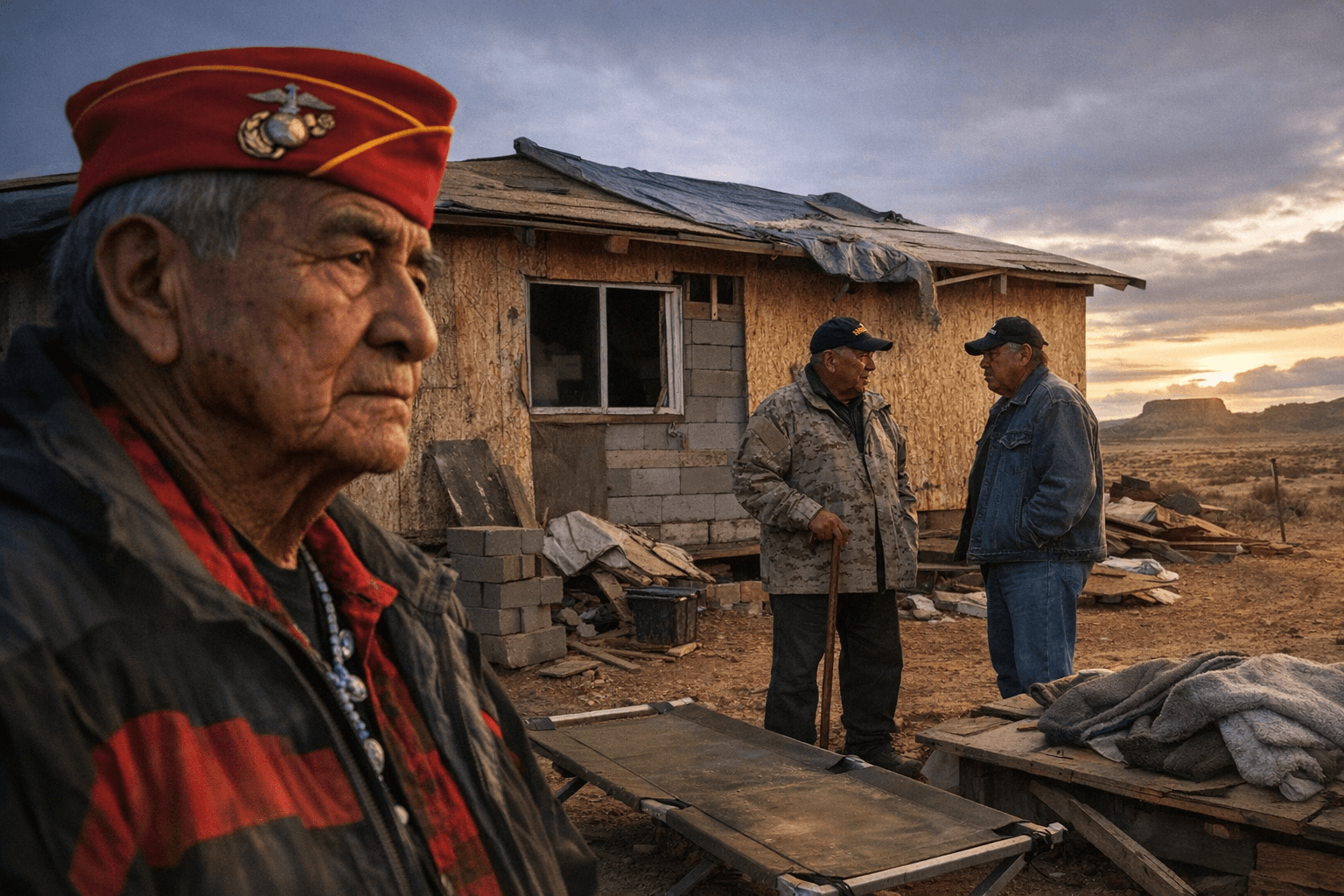
Navajo veterans and their advocates will hold a reservation-wide meeting on Jan. 11 at the Sanostee Veterans Memorial Building to demand action on delayed housing benefits and promised service upgrades. Organizers, including long‑time veteran advocate Elouise Brown and Capt. Christina Benally, said veterans across the reservation face persistent administrative barriers that prevent them from receiving housing modifications, accessibility work such as hand rails and accessible showers, and other veteran benefits.
The meeting is being positioned as a push for accountability. Organizers have invited senior Navajo Nation leadership, Veterans Administration leadership, and Council delegates to attend with the stated goal of securing clear implementation timelines for veteran services and housing assistance. Advocates say timelines and concrete commitments are necessary to move past repeated promises that have not translated into on‑the‑ground improvements.
For Apache County residents who are Navajo veterans, the delays matter in practical and economic terms. Accessible housing modifications reduce fall risk, enable veterans to age in place, and limit costly transitions to institutional care. When simple changes such as grab bars or accessible showers are deferred by bureaucratic delays, veterans and their families can face higher out‑of‑pocket costs for care, increased caregiving burdens, and greater strain on local health services.
The meeting also touches on broader governance issues. Veterans and advocates seek not only the physical modifications but transparency on how decisions are made, which offices are responsible for implementation, and how funds are allocated and tracked. Local contractors and service providers who perform accessibility work are affected by uncertainty over approvals and funding, which can depress local economic activity when projects are stalled.
Organizers hope the Jan. 11 session will produce enforceable deadlines and an operational plan to clear backlogs. If officials attend and provide dates, veterans could see a faster rollout of home modifications and related benefits. If leaders do not attend, advocates say they will escalate pressure to ensure promises are fulfilled.
The meeting will be closely watched in Apache County as a measure of whether tribal and federal systems can coordinate more effectively to deliver basic housing and accessibility services to veterans who served their country.
This article was produced by Prism’s automated news system from verified source data, official records, and press releases, then run through automated quality and moderation checks before publishing. The system is built and supervised by the people who set the standards it runs under. Read our full AI policy.
Did this article answer your question?