No Turquoise Alert for Navajo Teen Raises Local Concern
When 14 year old Neveah Alessandro Campos ran away from a Glendale home on November 1, 2025 her family expected a rapid statewide response. Nearly a week passed without a Turquoise Alert and the delay has intensified questions across Apache County about how Arizona applies its new missing person system for Indigenous youth.
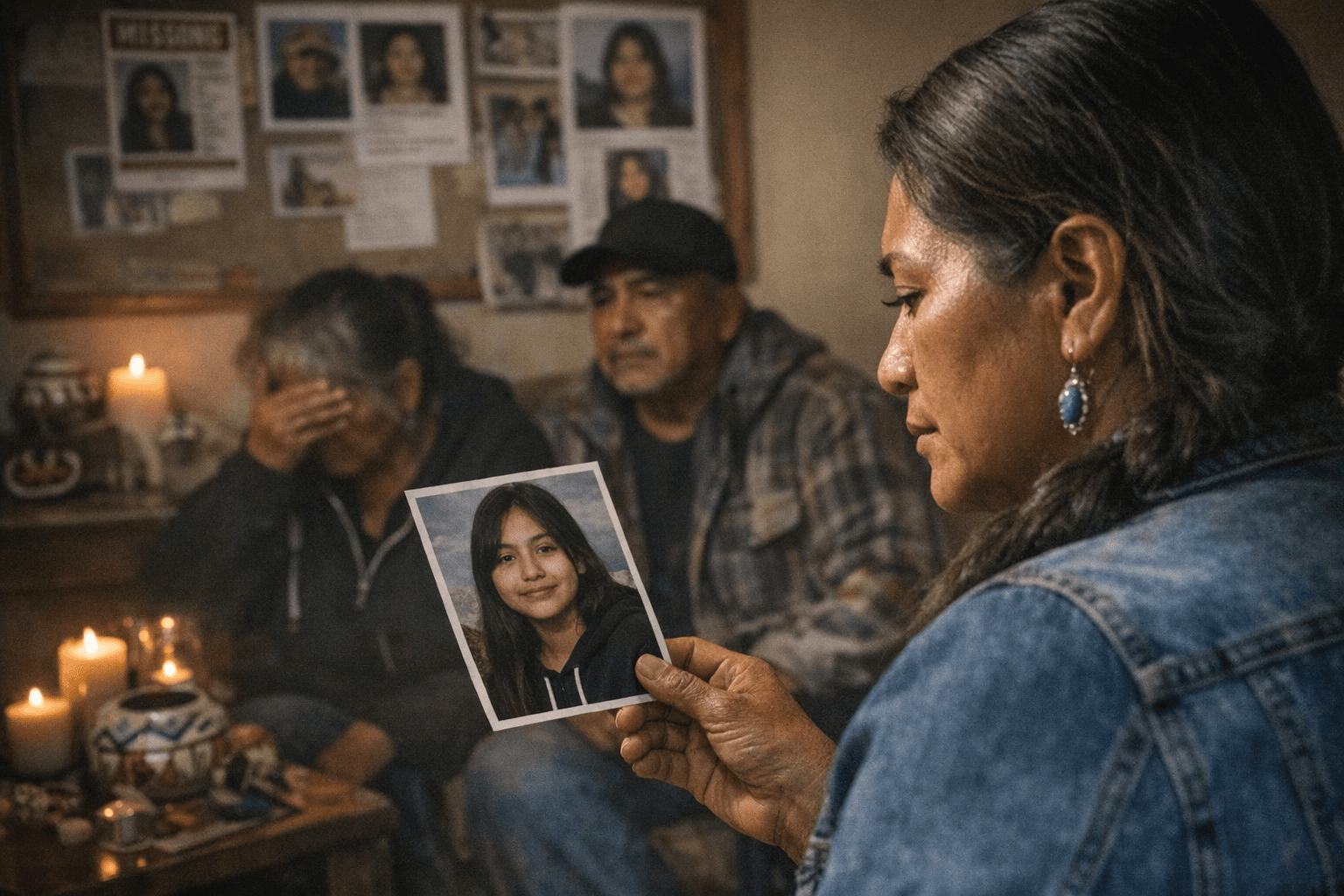
Fourteen year old Neveah Alessandro Campos was reported missing by her mother to police after running away from a family member's home in Glendale on November 1, 2025. The family, alarmed by a hospital issued safety plan and a history of clinical depression that placed Neveah at high risk, expected an immediate statewide alert. Instead nearly a week passed without the Turquoise Alert that was created to help locate missing Indigenous people, prompting concern from relatives and community members across Apache County about how the system is being used.
Law enforcement officials decided not to request a Turquoise Alert for Neveah, saying the case did not meet formal criteria for that statewide notification. The Turquoise Alert was introduced in Arizona to close longstanding gaps in responses to missing Indigenous people after high profile tragedies such as the death of Emily Pike. Despite the new tool more than 300 children reported missing in Arizona since July had not triggered a Turquoise Alert, according to reporting on the rollout and its early months of operation.
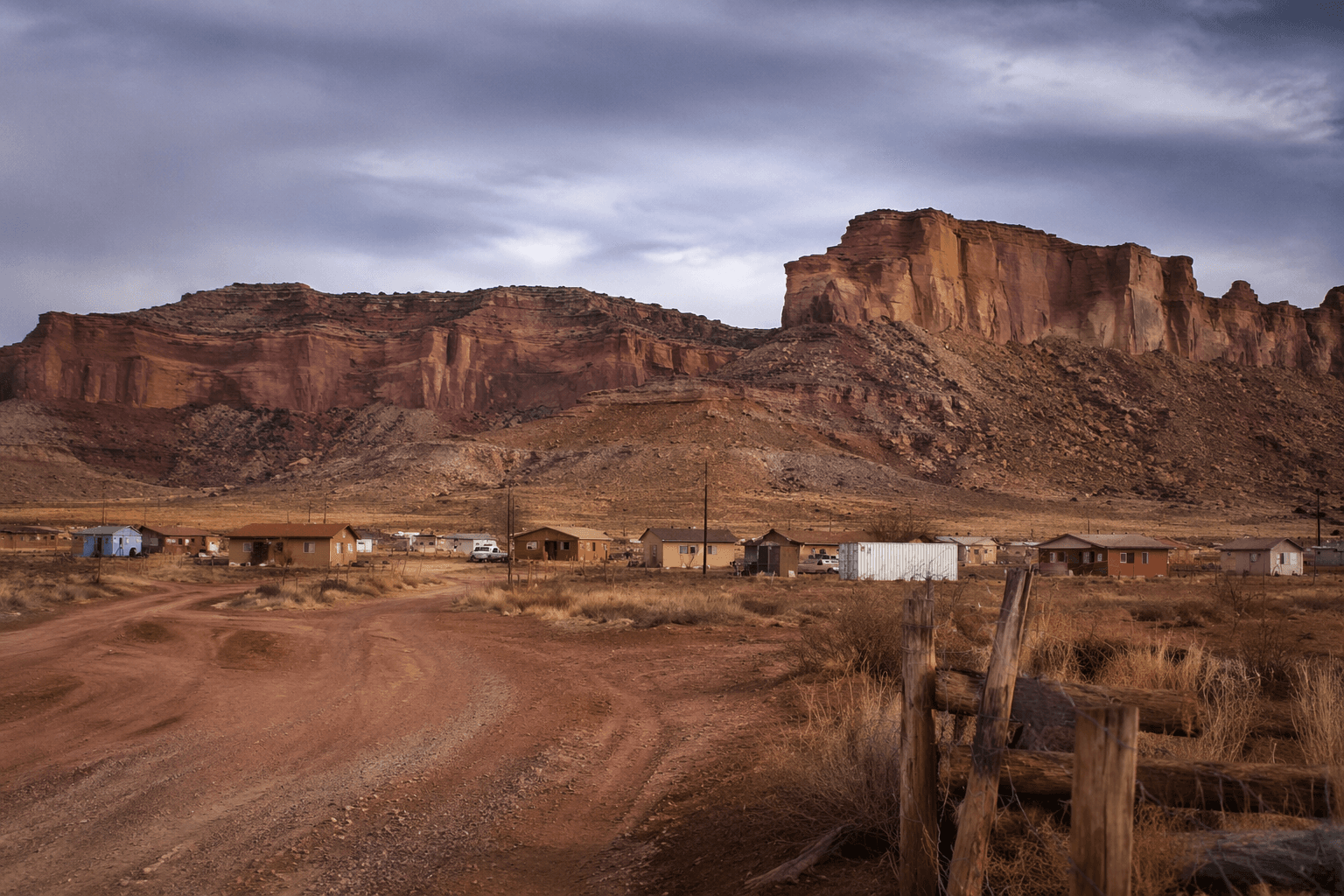
The delay in a statewide alert resonated deeply in Apache County, where many families have kinship ties to the Navajo Nation and other tribes and where trust in state and local institutions is shaped by a history of uneven responses to Indigenous crises. Family members described receiving little assistance in the early days after the disappearance, saying that time critical information and coordinated search efforts did not materialize quickly enough given Neveah's documented mental health vulnerabilities.
An update reported on November 8 brought relief for the family when officials with Navajo Nation social services connected the mother with someone who knew where Neveah was. Neveah's aunt picked her up in the Phoenix metro area and she was reunited safely with family. The case remains a flashpoint for discussion about when and how Turquoise Alerts are issued and whether the criteria and process are transparent and consistent.
The broader pattern in Arizona underscores the stakes. Indigenous people in the state experience disproportionately high rates of disappearance and homicide, a reality that motivated the Turquoise Alert legislation. As the new alert system moves from law into practice questions persist about local coordination between tribal authorities, county sheriffs and municipal police departments, and about how rapidly resources can be mobilized when a young person is considered high risk.
This article was republished from Arizona Luminaria and was posted on Indianz on November 10, 2025. The Neveah case highlights the immediate human consequences of policy design and the urgent need for clear protocols that reassure families in Apache County and across tribal lands that a missing child will receive swift and equitable attention.
This article was produced by Prism’s automated news system from verified source data, official records, and press releases, then run through automated quality and moderation checks before publishing. The system is built and supervised by the people who set the standards it runs under. Read our full AI policy.
Did this article answer your question?