Nuclear Push Collides with Navajo Uranium Ban, Local Concerns Grow
On December 18 national interest in expanding nuclear power confronted the Navajo Nation's longstanding legal ban on uranium development on tribal lands, highlighting a clash between federal energy planning and tribal sovereignty. The dispute matters to Apache County residents because it raises questions about land stewardship, public health, cleanup priorities, and who decides the future of energy and resources in communities across and adjacent to the Nation.
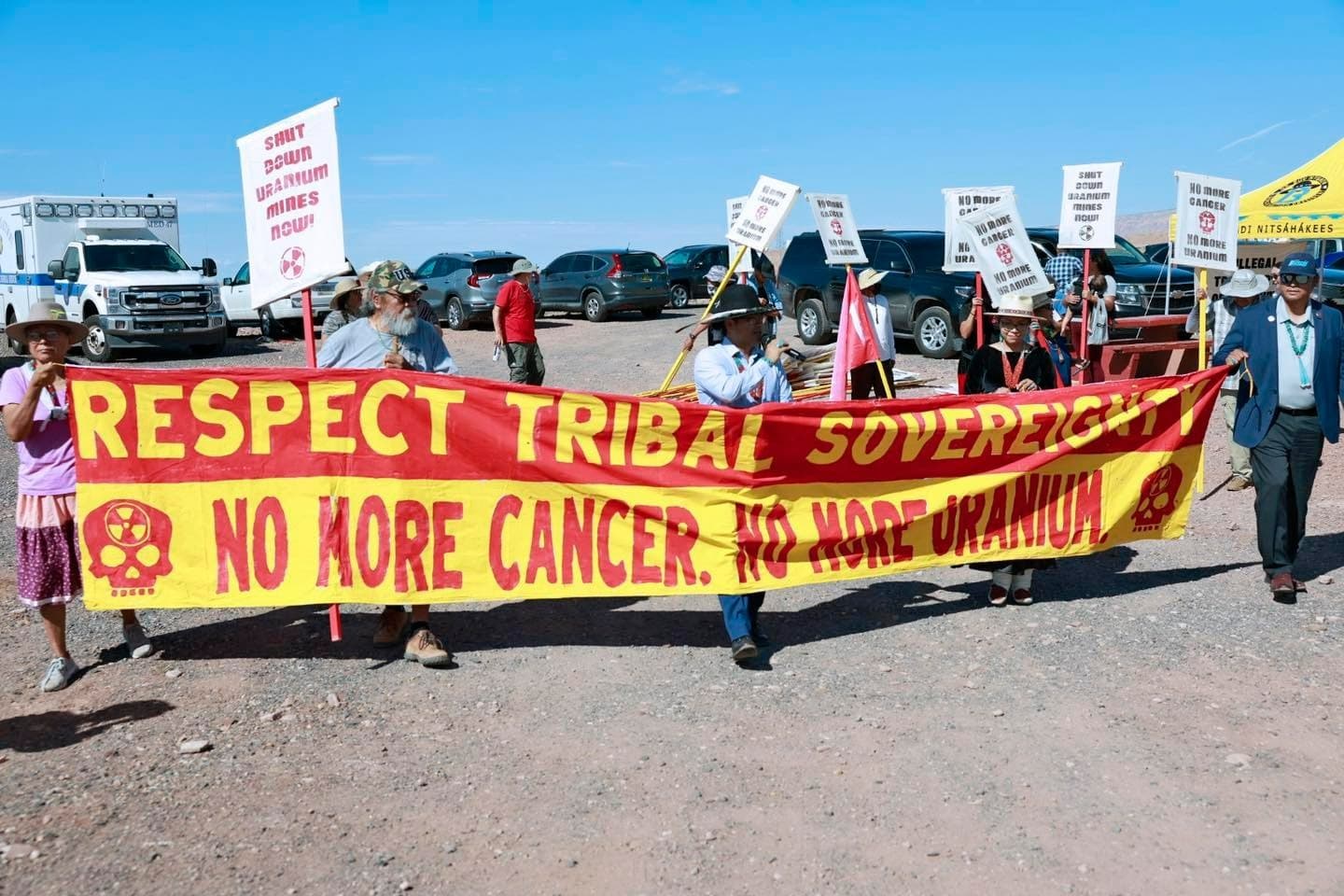
National conversations about expanding nuclear energy intensified on December 18 when industry advocates argued that new nuclear capacity is needed to meet rising electricity demand and to decarbonize the U.S. power sector. That position collided with a clear prohibition within the Navajo Nation against uranium development on tribal lands, a prohibition rooted in environmental protection, cultural values, and the legacy of past uranium mining.
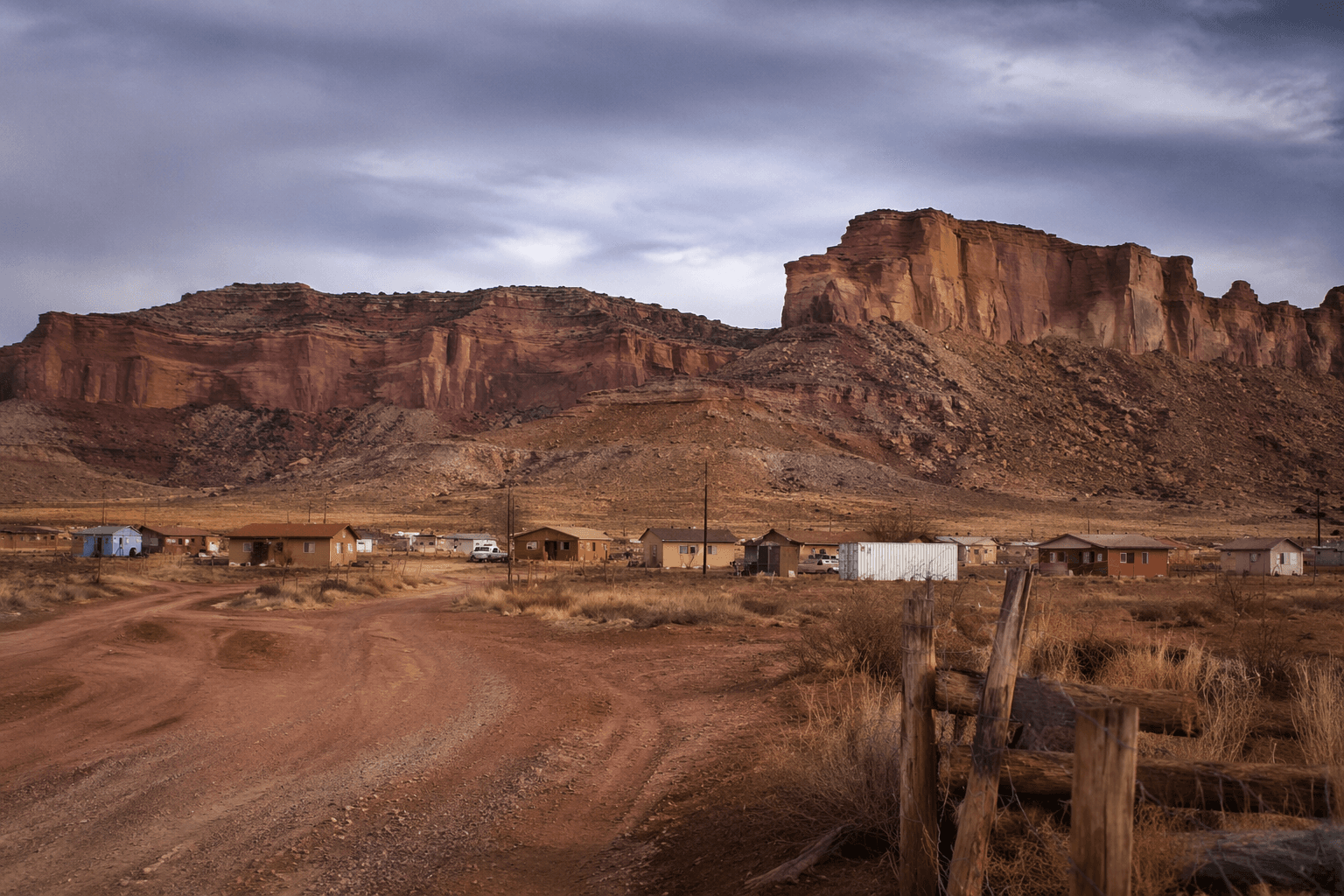
Tribal leaders, local chapters and many community members have long insisted that cleanup of contaminated sites must come first before any consideration of new uranium activity. The prohibition reflects decades of concern about contamination, health impacts and cultural harm from earlier uranium extraction that affected water, grazing land, and sacred places. Those concerns remain central to how residents in and near Apache County view any proposal to expand nuclear supply chains that might rely on uranium.
Industry proponents emphasize the role nuclear power could play in meeting future electricity needs and in achieving broader national climate goals. That argument has pressured federal and state policymakers to explore regulatory and financing pathways for advanced reactors and for securing domestic fuel supplies. For communities on or near the Navajo Nation, however, the debate is not solely technical. It involves questions of sovereignty, environmental justice and whether promises of economic activity outweigh unresolved cleanup obligations and cultural protections.

The policy tension plays out amid a broader U.S. energy strategy debate that weighs grid reliability, emissions reductions and equitable treatment for Indigenous communities. For Apache County this means local officials and residents may see increased attention from developers, regulators and federal agencies, along with renewed calls to address contaminated sites and to ensure any discussions on energy and minerals respect tribal law and community consent.
As conversations continue, the immediate implications for residents include potential shifts in land use discussions, the possibility of new assessments of environmental liabilities, and continued demands that remediation of past harms remain a precondition for any future uranium related activity. Community voices and tribal governance will be central to how those issues are resolved.
This article was produced by Prism’s automated news system from verified source data, official records, and press releases, then run through automated quality and moderation checks before publishing. The system is built and supervised by the people who set the standards it runs under. Read our full AI policy.
Did this article answer your question?