Residents push back as exploratory mining stirs concerns near Coppermine
May 2 protests near Coppermine showed residents still want answers on permits, water protections and who gets the final say before any mine advances.
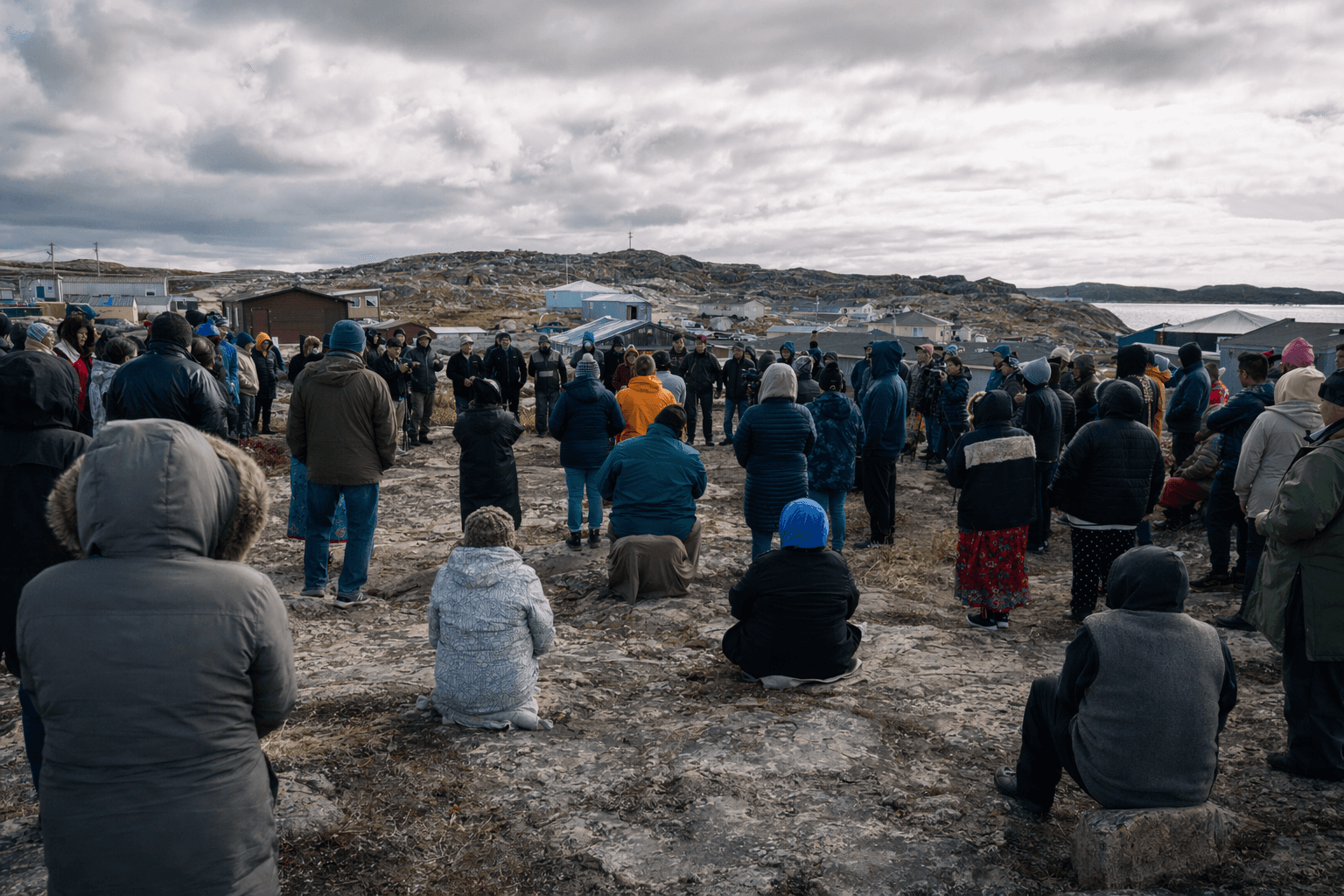
Residents near Coppermine are pressing for clear answers about what Essential Minerals can do on nearby grazing land, which permits apply and who has the authority to stop or shape the project if it moves past exploration. The company says it is only studying copper in the area for now, but the dispute has already become a test of land-use control on Navajo Nation ground.
That pushback sharpened after protests on May 2 ahead of an Essential Minerals workshop. Coppermine is a chapter, a local government division similar to a town, and the area carries the name of an open-pit copper mine run by Coconino Copper and Chemical Co. in the 1930s, before it closed in 1968 and was reclaimed. Loren Thomas, who has lived in the Coppermine community for about 12 years, said his ranch depends on sheep and crops and that, as he put it, his livelihood is centered on preserving a Diné way of life.
For some residents, the issue is also personal. Elivra Nowlin said, “My family live[s] about a quarter of a mile away from the old copper mine,” and tied her family’s cancer history to the site. That history has deepened fears that an exploratory project could reopen old wounds rather than bring simple short-term activity.
Essential Minerals, a subsidiary of Chakana Copper, a Canadian minerals exploration company active in Peru, says the project would follow safety standards and that no definitive studies have linked past health problems in Coppermine to mining. Adrian Dotson, business development director for ETD, the Navajo-led environmental consultant hired for outreach, said residents want to maintain their way of life and argued that jobs in the Coppermine chapter area could reduce the need to commute to Page or Flagstaff. Even so, the path forward remains layered: after a vote against reconnaissance permits, the Navajo Nation Minerals Department granted permission to proceed, and any move from exploration to development would still need chapter support, approval from the Navajo Nation Resources and Development Committee and environmental review under federal law. Chakana Copper chief executive David Kelley has said a full project could last 10 to 15 years and bring hundreds of jobs, but for Coppermine residents the immediate question is whether they will have real say before a short-term exploration effort becomes a long-term land-use decision.
This article was produced by Prism’s automated news system from verified source data, official records, and press releases, then run through automated quality and moderation checks before publishing. The system is built and supervised by the people who set the standards it runs under. Read our full AI policy.
Did this article answer your question?