New Mexico couple pleads guilty in Navajo jewelry fraud case
A New Mexico couple admitted selling Vietnam-made jewelry as Navajo work and must forfeit $341,967.98, with sentencing still pending.
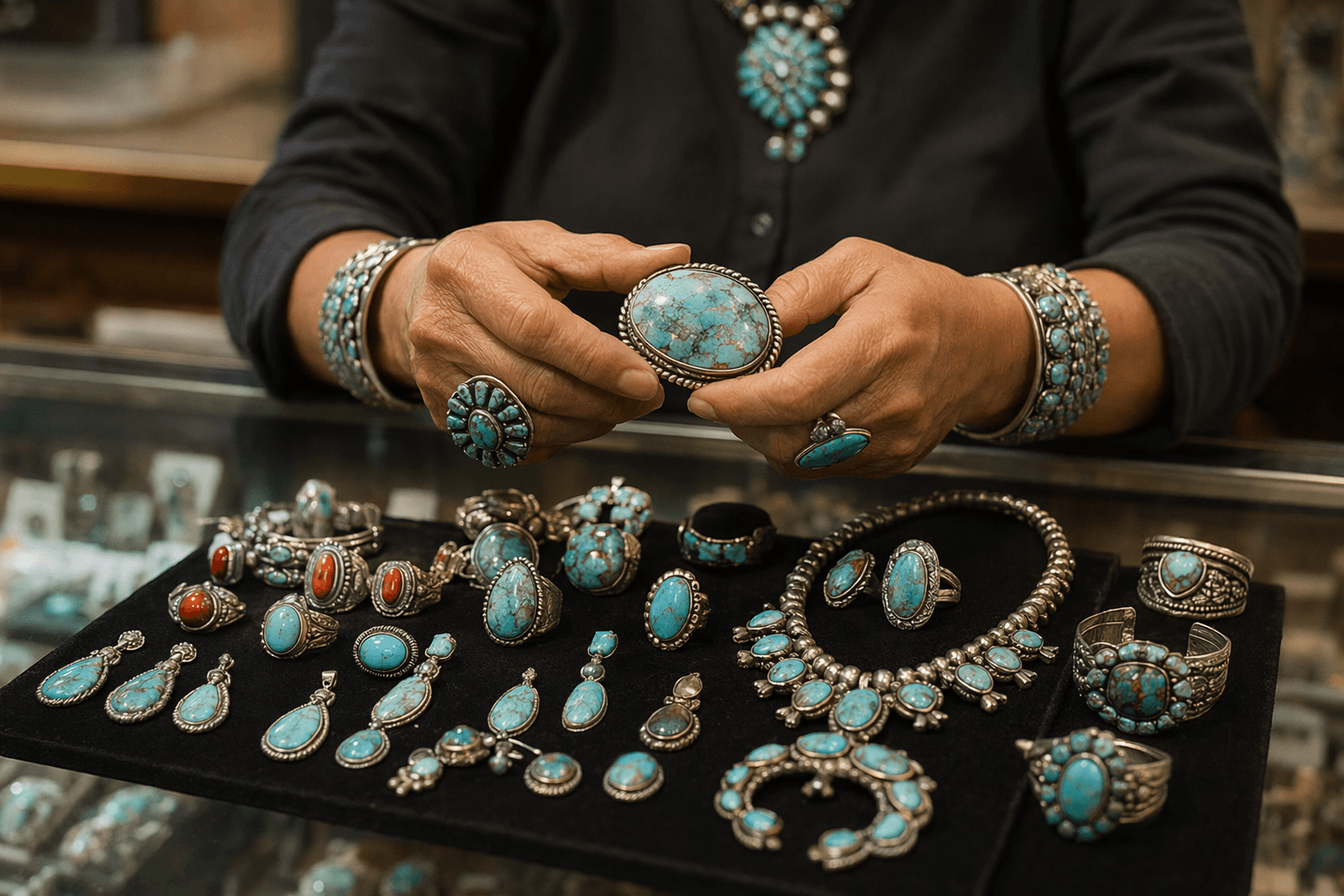
A New Mexico couple has admitted in federal court that they sold counterfeit jewelry as authentic Navajo and Native American work, and they now face sentencing after agreeing to forfeit $341,967.98 in proceeds.
Kiem Thanh Huynh, 60, and My Ngoc Truong, 61, the co-owners of MT Jewelry Mfg. Inc. in Albuquerque, pleaded guilty in Asheville, North Carolina, on April 20, 2026. Federal prosecutors said the pair smuggled jewelry made in Vietnam into the United States and marketed it as genuine Native American and Navajo handmade work. The government did not seek to detain them while they await sentencing, and a date has not yet been set.
The case reached beyond one storefront or one warehouse. According to federal officials, Huynh and Truong attended GLW Shows in Western North Carolina on two occasions and sold counterfeit pieces there after investigators intercepted shipments tied to the scheme. That put the goods into the same trade-show and wholesale channels where buyers, traders, and artists expect to find legitimate handmade Native work, a setting that can make forged provenance especially hard to spot.
For Navajo artisans across Apache County and the wider Navajo Nation, the economic damage can be immediate. A fake bracelet or necklace sold under a Navajo label can undercut the price of genuine work, blur the line between handmade pieces and imports, and chip away at the trust buyers place in Native-made art. The Justice Department said the conduct was an affront to Indian cultures, economies, artists, and artisans in North Carolina and nationwide.
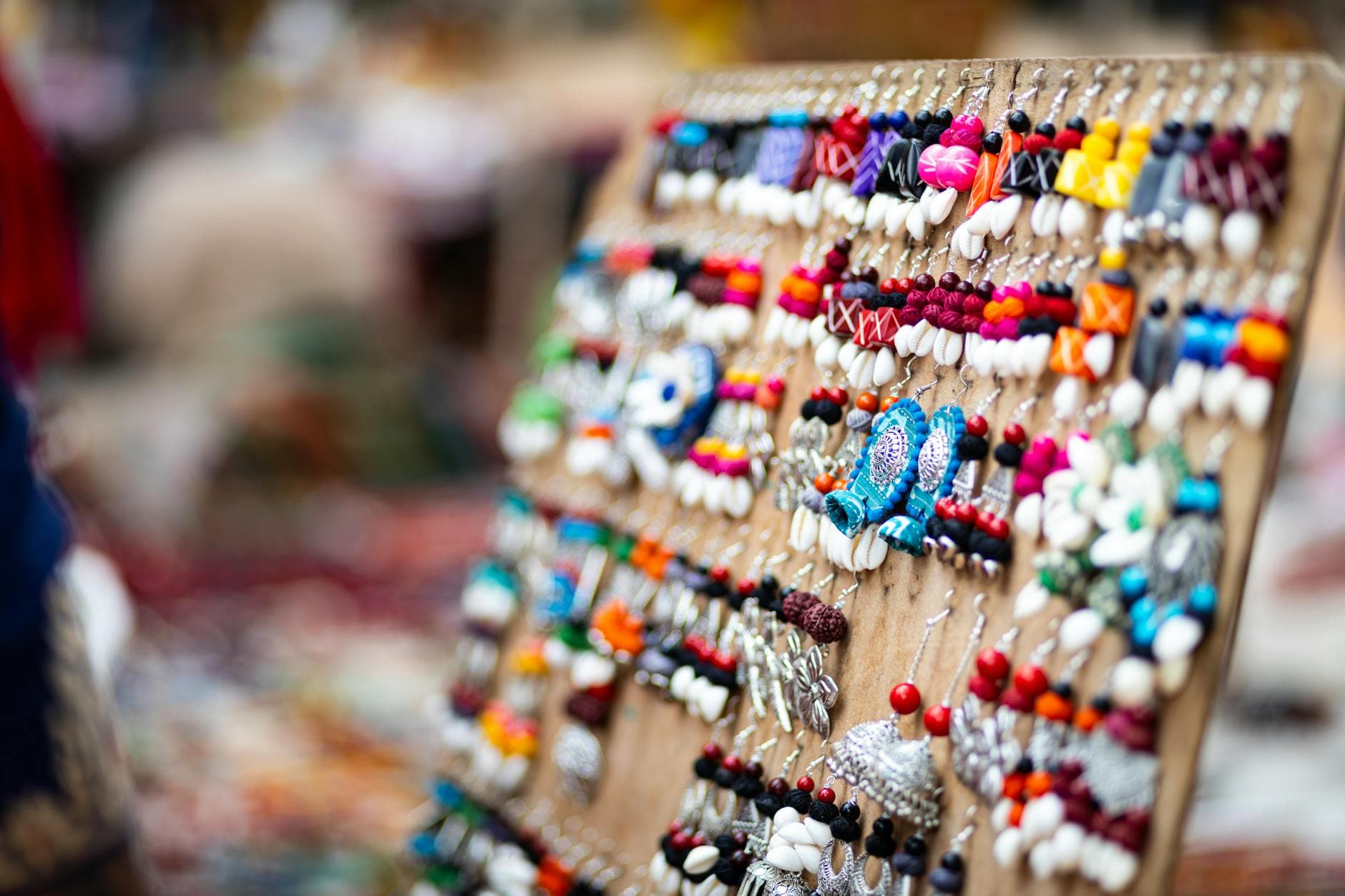
The federal law at the center of the case, the Indian Arts and Crafts Act of 1990, is a truth-in-advertising law that bars false claims that art or craft goods are Indian-produced or come from a particular tribe. The Interior Department says a first violation can bring up to a $250,000 fine and up to five years in prison. The Indian Arts and Crafts Board, which oversees enforcement and promotes the economic development of federally recognized American Indian and Alaska Native artists, worked with the Justice Department and the U.S. Fish and Wildlife Service Indian Arts and Crafts Act Investigative Unit on the case.
The plea also fits a broader pattern of federal enforcement. The Justice Department has pursued similar Native arts fraud cases before, including a 2020 New Mexico prosecution involving imported Native American-style goods. For buyers in regional markets, the warning is plain: ask where a piece was made, who made it, and whether the seller can prove the artist and tribal origin. Genuine Navajo jewelry carries value because it carries identity, skill, and provenance, and federal prosecutors are treating false claims about that work as a serious fraud offense.
This article was produced by Prism’s automated news system from verified source data, official records, and press releases, then run through automated quality and moderation checks before publishing. The system is built and supervised by the people who set the standards it runs under. Read our full AI policy.
Did this article answer your question?