Arizona utilities award final coal-transition grants in northeastern Arizona
Five northeastern Arizona groups split the last $110,000 from a coal-transition fund, closing a $1 million utility program years after Navajo Generating Station shut down.
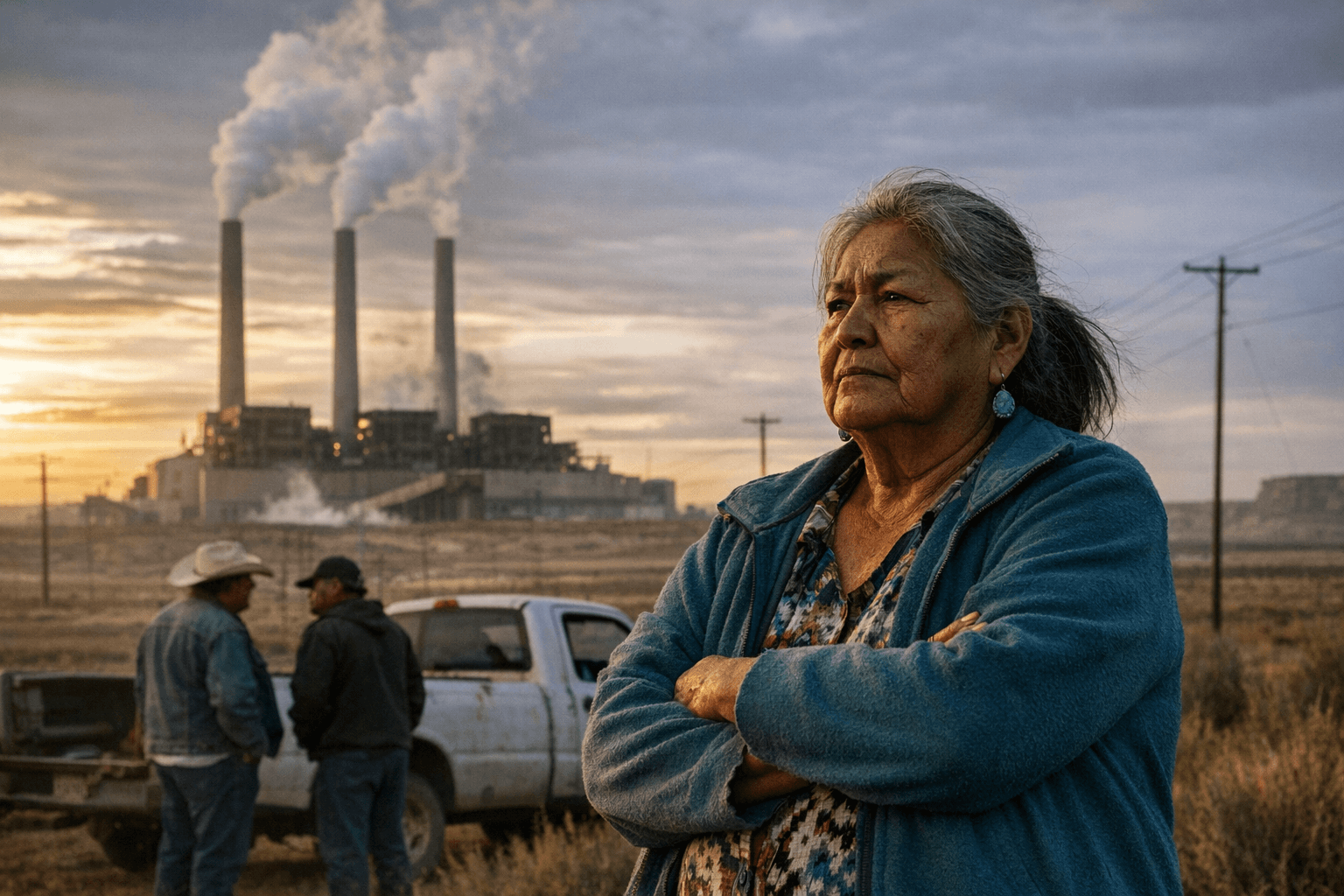
The last coal-transition grants are landing in northeastern Arizona, where the end of coal is still reshaping budgets, school plans and local service work around Window Rock, Page and Kayenta. Arizona Public Service, Salt River Project and Tucson Electric Power selected five organizations in the region to share $110,000 in the final round of a program they launched in 2023 with a combined $1 million pledge.
The money was set aside for tribal, state and local governments, public schools, economic development groups and nonprofit organizations within 75 miles of a closing or closed coal plant. For Apache County, that puts the grant program squarely in the middle of a transition that has moved from policy debate to daily reality. The final awards are meant to cushion communities still adjusting to what comes after coal-fired power, not just to mark the end of a funding cycle.
The region’s coal shutdown is anchored by the closure of Navajo Generating Station. Western Area Power Administration records show the plant’s owners voted in 2017 to shut it down by the end of calendar year 2019, and the station ceased generating on Nov. 19, 2019. Navajo County’s archive also noted that Navajo Generating Station and Kayenta Mine were expected to close by December 2019, underscoring how quickly the economic base in northeastern Arizona began to shift once the coal era ended.
The utilities said the grant program grew out of conversations with communities trying to find money for long-term, sustainable and strategic economies. It has been spread across multiple rounds, not just one announcement. In March 2024, seven organizations received $155,100, and in July 2024, four organizations received $125,000, before this final round of five awards closed out the program.
The size of the grants shows both the value and the limits of utility-backed transition aid. Even with the full $1 million pledge, the program was never large enough to replace the jobs, tax base or services that coal once supported across the Navajo Nation and surrounding areas. What it did provide was a sustained, if modest, stream of support for local governments, schools and nonprofits trying to build something durable after the coal plants went dark.
This article was produced by Prism’s automated news system from verified source data, official records, and press releases, then run through automated quality and moderation checks before publishing. The system is built and supervised by the people who set the standards it runs under. Read our full AI policy.
Did this article answer your question?