Ride for the Missing honors Apache County families still seeking answers
Red handprints and motorcycle engines carried one message through Highway 550: Zachariah Juwaun Shorty’s case is still open, and families still want answers.
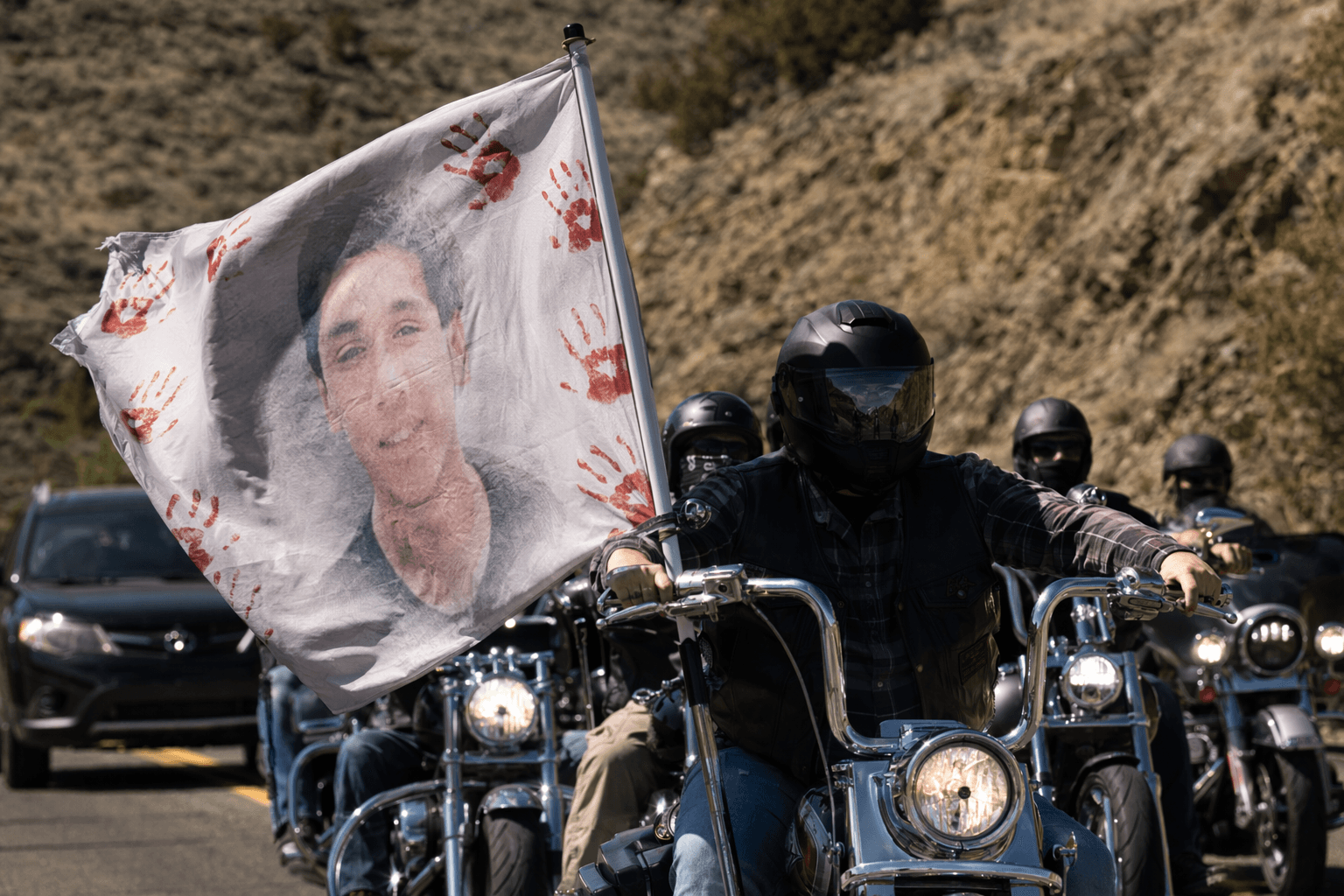
Motorcyclists rolled through Albuquerque and Highway 550 communities with red handprints on their bikes, turning the Ride for the Missing into a moving reminder that the search for missing Indigenous relatives is still unfinished. The April 25 ride passed Kirtland, Bloomfield, Cuba, San Ysidro and Bernalillo, tying together towns that have all felt the weight of the Missing and Murdered Indigenous People crisis.
The ride carried special meaning for the family of Zachariah Juwaun Shorty, who was last seen July 21, 2020, near the Journey Inn in Farmington and was found dead four days later on a dirt pathway in a field in Nenahnezad on the Navajo Nation. The FBI says Shorty was born May 5, 1997, lived in Kirtland, stood 5-foot-5 and weighed about 130 pounds, and had tattoos reading “Indian Outlaw.” His case now carries a reward of up to $10,000. At the ride, Evangeline Randall-Shorty held a poster of her son, while Stacey Banach stood beside her with photos of a late sister, making the event less a ceremony than a public demand that these names not be forgotten.
That demand lands against a system families say has not delivered enough answers. Navajo Nation created the Missing and Murdered Diné Relative Task Force through Resolution NABIN-36-22 to confront violence and disappearance affecting Diné people, especially women, girls and two-spirit relatives. Arizona later created a 15-member Missing & Murdered Indigenous People Task Force by executive order on March 7, 2023, with a mandate to collect data, review policy and recommend solutions. The need for those efforts reflects the same gap families confront on the ground: too often, cases move forward only after relatives push public attention back onto them.
The broader numbers show how deep that gap runs. A 2024 report said a dozen missing Indigenous women from Arizona were listed in NamUs as of mid-2020, and that those cases had been missing an average of 21 years. The Navajo Nation alone was reported to list 22 missing women. Another 2018 Urban Indian Health Institute report identified 153 missing or murdered Indigenous women cases that did not appear in law enforcement records. For Apache County families with ties across Navajo communities, the ride underscored a hard truth: remembrance matters, but so do case files, data, and the investigative follow-through that has too often been missing.
This article was produced by Prism’s automated news system from verified source data, official records, and press releases, then run through automated quality and moderation checks before publishing. The system is built and supervised by the people who set the standards it runs under. Read our full AI policy.
Did this article answer your question?