Severe thunderstorm warning brings quarter-sized hail to Wide Ruins
Quarter-sized hail and 60 mph winds hit Wide Ruins and Highway 191 after a midday warning gave drivers and homes only minutes to brace.
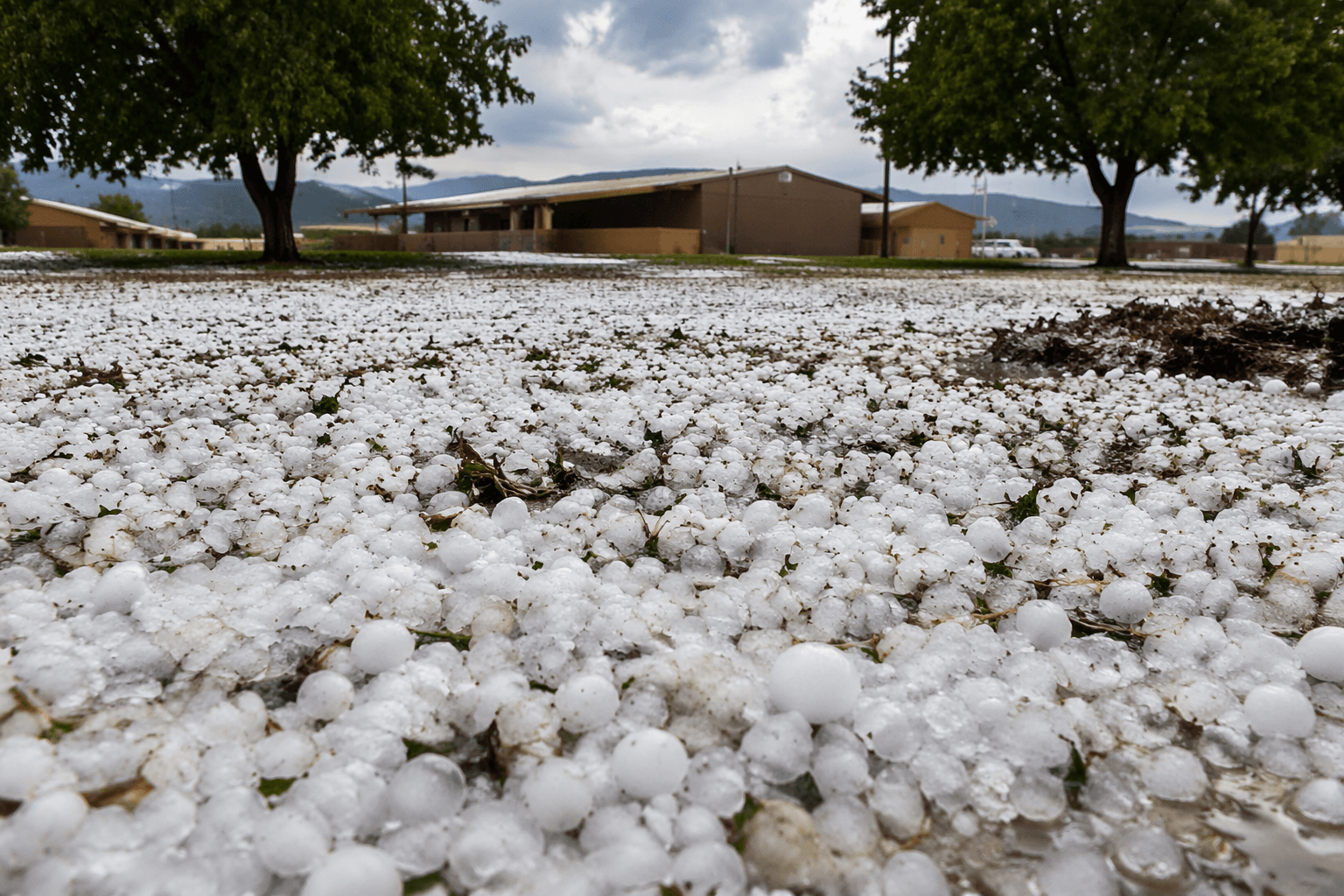
A severe thunderstorm warning for Apache County sent quarter-sized hail and 60 mph wind gusts toward Wide Ruins and a stretch of Highway 191 just before midday, putting vehicles, roofs, siding and trees in the storm’s path. The warning covered Wide Ruins and Highway 191 between mile markers 382 and 395, where drivers had to contend with fast-moving monsoon cells and a very short window to react.
The National Weather Service in Flagstaff issued the warning at 11:49 a.m. MST on June 26 and set it to expire at 12:15 p.m. MST. By the time of the alert text, the storm was about 6 miles southwest of Wide Ruins and moving northeast at 20 mph. Officials said hail damage to vehicles was expected and wind damage to roofs, siding and trees was possible, a combination that can quickly turn a highway drive into a hazard and leave property exposed before crews or residents can respond.

The timing fit squarely inside northern Arizona’s monsoon season, which runs from June 15 to September 30. The National Weather Service says much of the region gets about 40% to 50% of its annual precipitation during those months, which is why storms like this one can bring a large share of the year’s rain but also some of the most disruptive weather. In Apache County, that means sudden downpours, visibility drops and damaging wind can arrive with little warning on open stretches of road and around homes in exposed areas.
The National Weather Service Flagstaff office keeps past weather event summaries to compare storms across northern Arizona, including major and record-breaking events that have hit the region’s canyons, deserts and mountains. If this storm produces damage reports, those details will eventually become part of NOAA’s Storm Events Database, which currently includes severe weather records from January 1950 through March 2026, with coverage varying by event type.
This article was produced by Prism’s automated news system from verified source data, official records, and press releases, then run through automated quality and moderation checks before publishing. The system is built and supervised by the people who set the standards it runs under. Read our full AI policy.
Did this article answer your question?