Sixteen candidates vie for Navajo Nation president in Tuba City forum
Sixteen candidates are in the race, but the Tuba City forum sharpened the choice between Nygren’s record on wages and roads and Begay’s push for more tribal control.
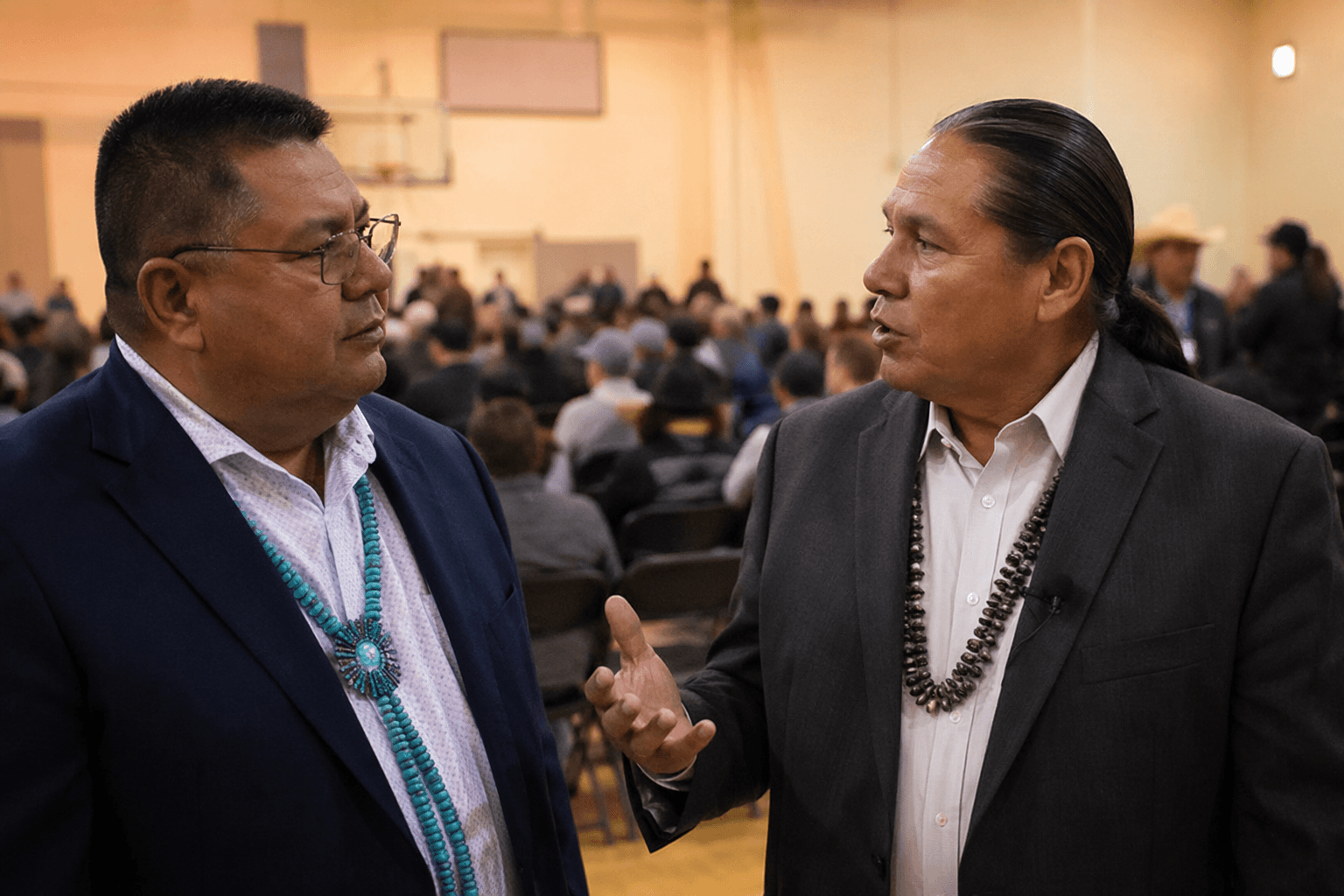
Sixteen candidates are running for Navajo Nation president, and the Tuba City forum gave voters a clearer split over what the next leader should do first: protect jobs, fix infrastructure, assert more tribal authority over health care and land, and show tighter control of government spending. The June 18 forum, hosted by the Tónaneesdizí Local Government and streamed online, put 13 candidates in front of Western Navajo voters at Greyhills Academy High School as the field heads toward the July 21 primary.
The race is already one of the largest recent presidential contests in the Nation. The official candidate list was certified April 24 after 16 people filed by the April 22 deadline, and the primary will cut the field to two finalists for the November 3 general election. With Vice President Richelle Montoya not seeking reelection and instead running for a Navajo Nation Council seat, the outcome will also determine whether the executive branch changes hands at a moment of broader political turnover.

Buu Nygren, who took office in 2023 and is seeking a second term, used the forum to defend his record and argue that his administration has moved from promises to action. He pointed to homes built, roads repaired, windmills fixed, and a higher minimum wage as evidence of progress. On May 26, his administration announced a $14.70-an-hour minimum wage for all Navajo Nation offices, a message aimed squarely at workers who want to see the government deliver better pay as well as better services.
Other candidates framed the choice more aggressively around how much authority the Nation should claim for itself. Jordon Begay of Tonalea called for Navajo control of the health care system, urged Congress to loosen federal control over trust land, and said the government should operate more as one unit than as branches in conflict. That stance gives the field a sharper edge than a simple debate over management style, especially for communities that want faster decisions on housing, land use, and services.
Tuba City gave the contest particular weight for Western Navajo, where voters often look to local chapters and institutions to force attention on problems that can feel distant from Window Rock. A separate presidential forum in Tuba City was also hosted by Western Navajo Fair and the Tuba City Chapter Government, underscoring how chapter-level groups are helping shape the debate. For Apache County residents with ties to Navajo communities, the contest now turns on a practical question: whether voters want Nygren’s record of completed projects and wage gains, or a more sweeping reset centered on tribal self-determination, land reform, and tighter accountability.
This article was produced by Prism’s automated news system from verified source data, official records, and press releases, then run through automated quality and moderation checks before publishing. The system is built and supervised by the people who set the standards it runs under. Read our full AI policy.
Did this article answer your question?