Springerville residents warn forest resource cuts could weaken wildfire prevention
Springerville-area residents fear weaker forest staffing will slow thinning and response work before the next fire season, leaving more homes and grazing land exposed.
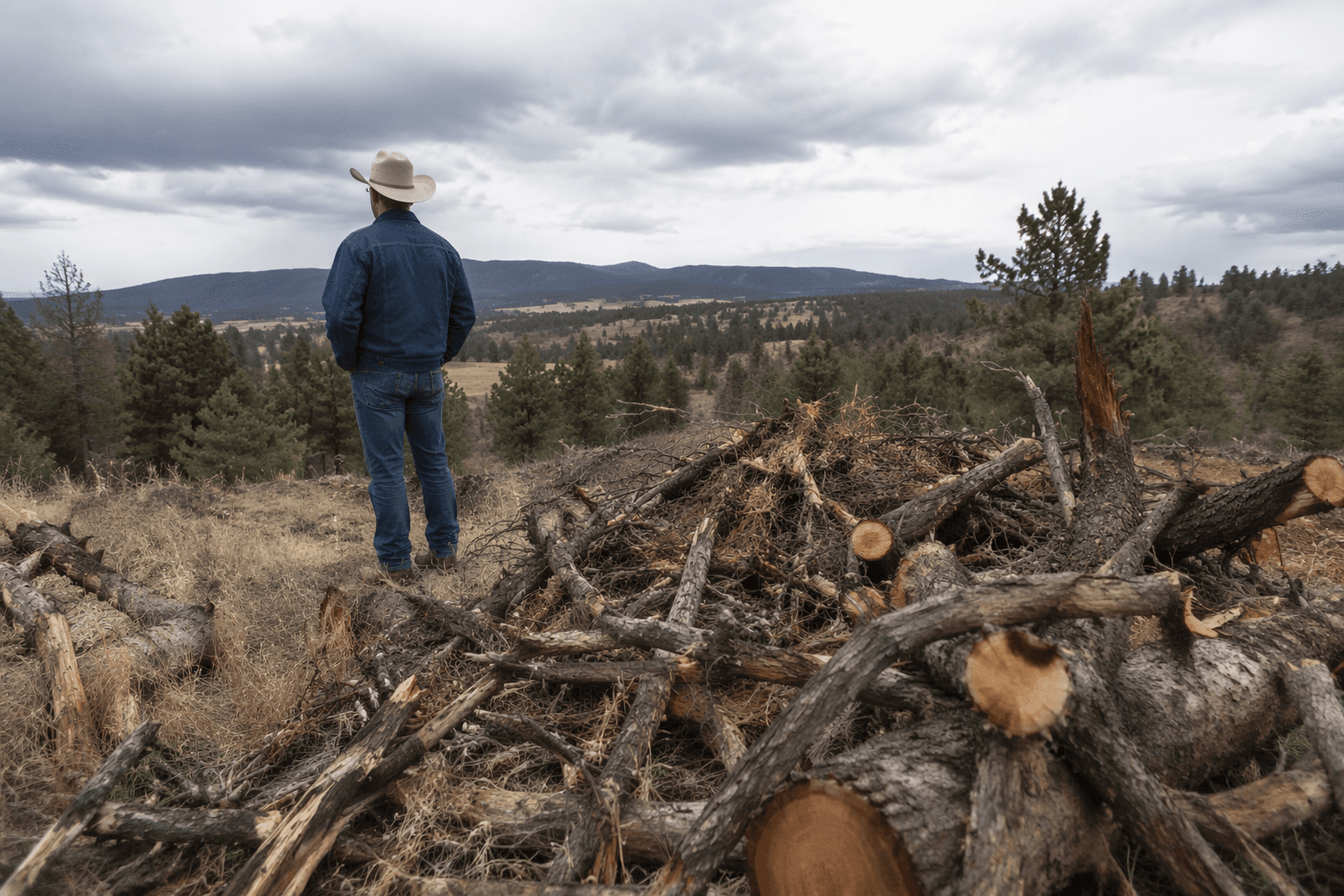
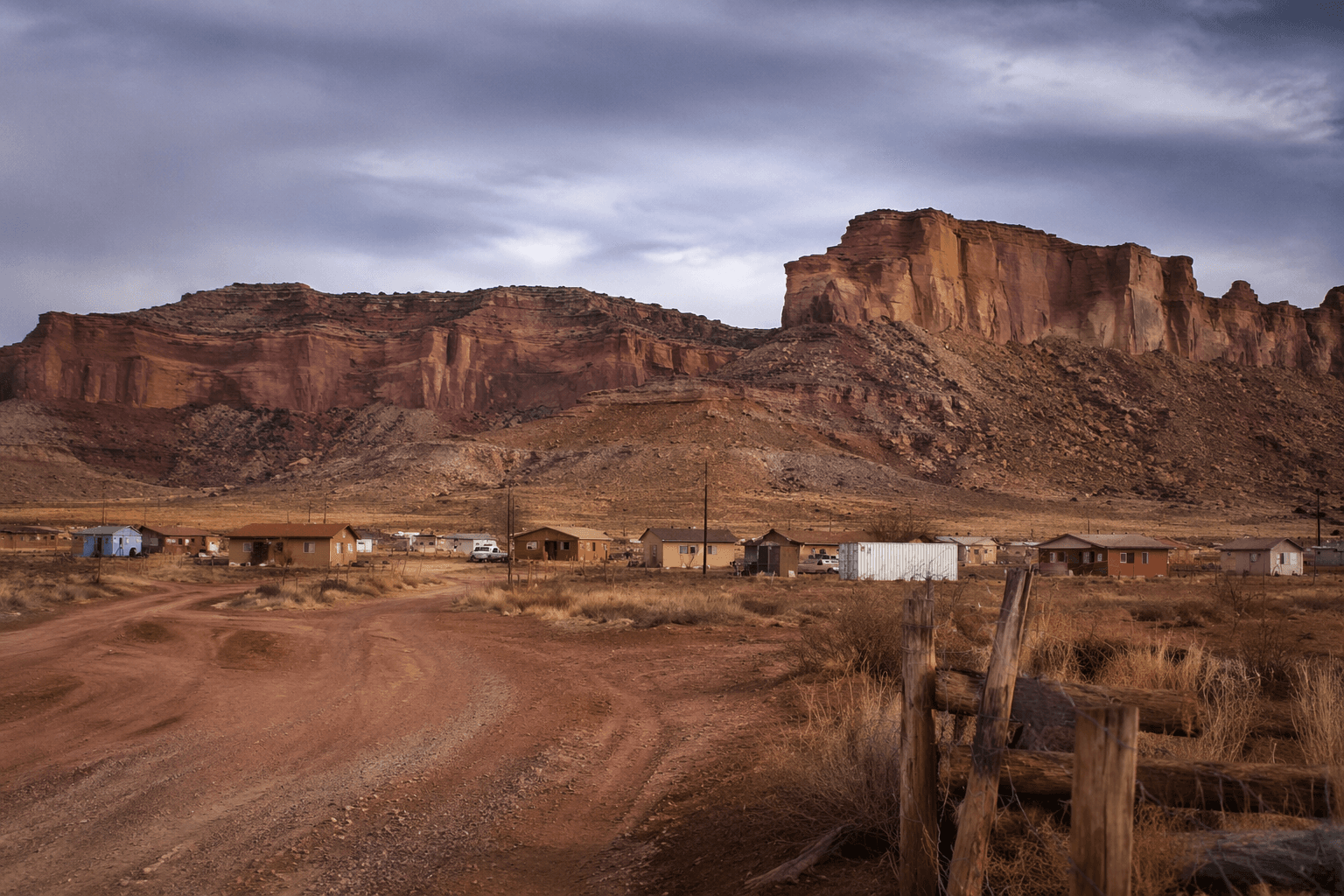
Springerville-area residents are warning that reduced resources at the Apache-Sitgreaves National Forests could leave the White Mountains less prepared for the next wildfire run. The forest, whose supervisor’s office is in Springerville, covers more than 2 million acres in east-central Arizona, stretches from 3,500 feet on the Clifton Ranger District to more than 11,000 feet on Mount Baldy, and includes 24 lakes and reservoirs plus more than 400 miles of rivers and streams.
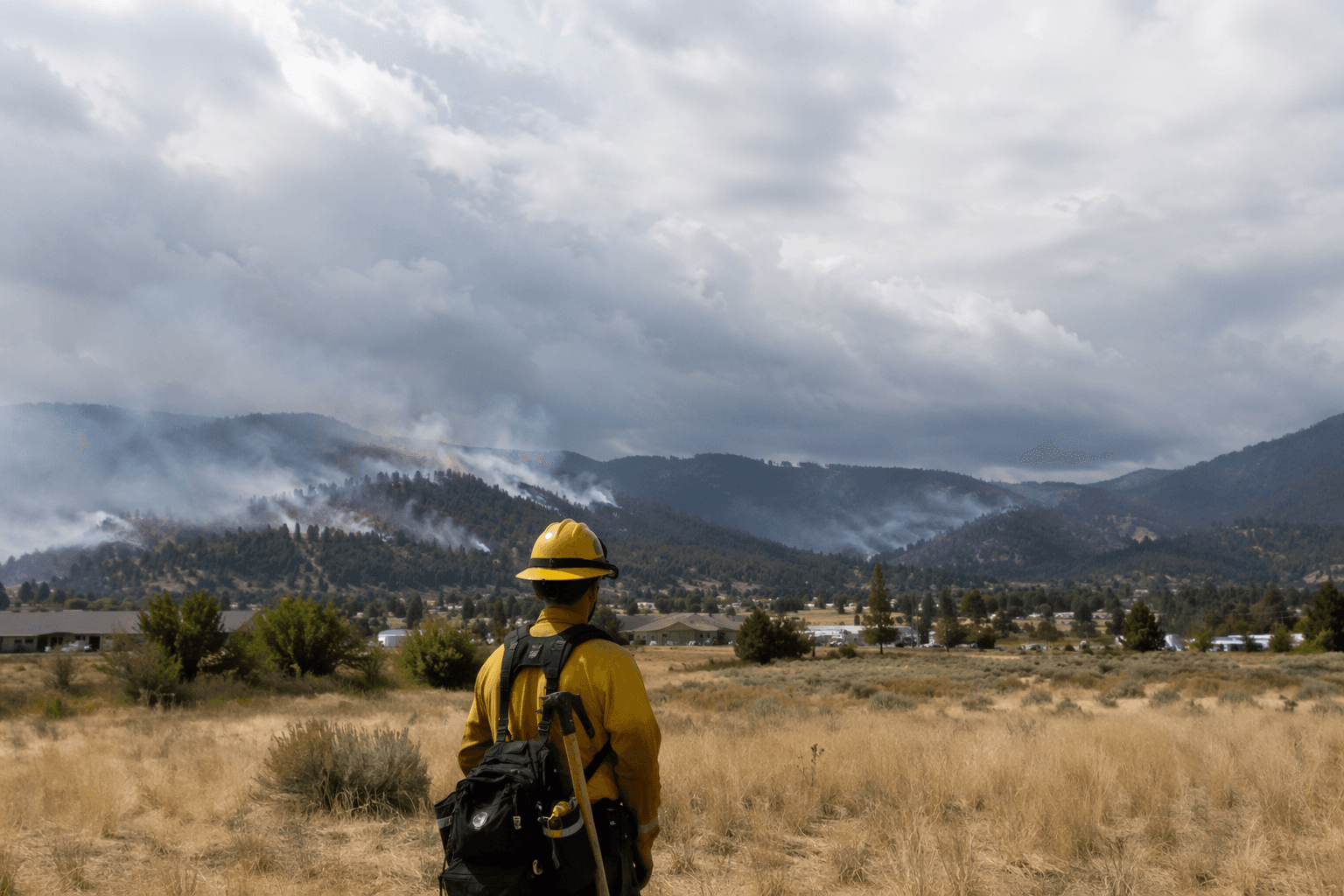
The concern is rooted in memory and geography. The May 2025 Greer Fire burned more than 20,000 acres in Apache County, forced evacuations and destroyed multiple structures. With dry country and steep escape routes still defining the region, Apache-Sitgreaves National Forests put Stage 1 Fire Restrictions in place on May 18, 2026 and ordered a temporary closure in the Promontory Butte area on May 19, citing high or extreme fire danger and limited escape routes.
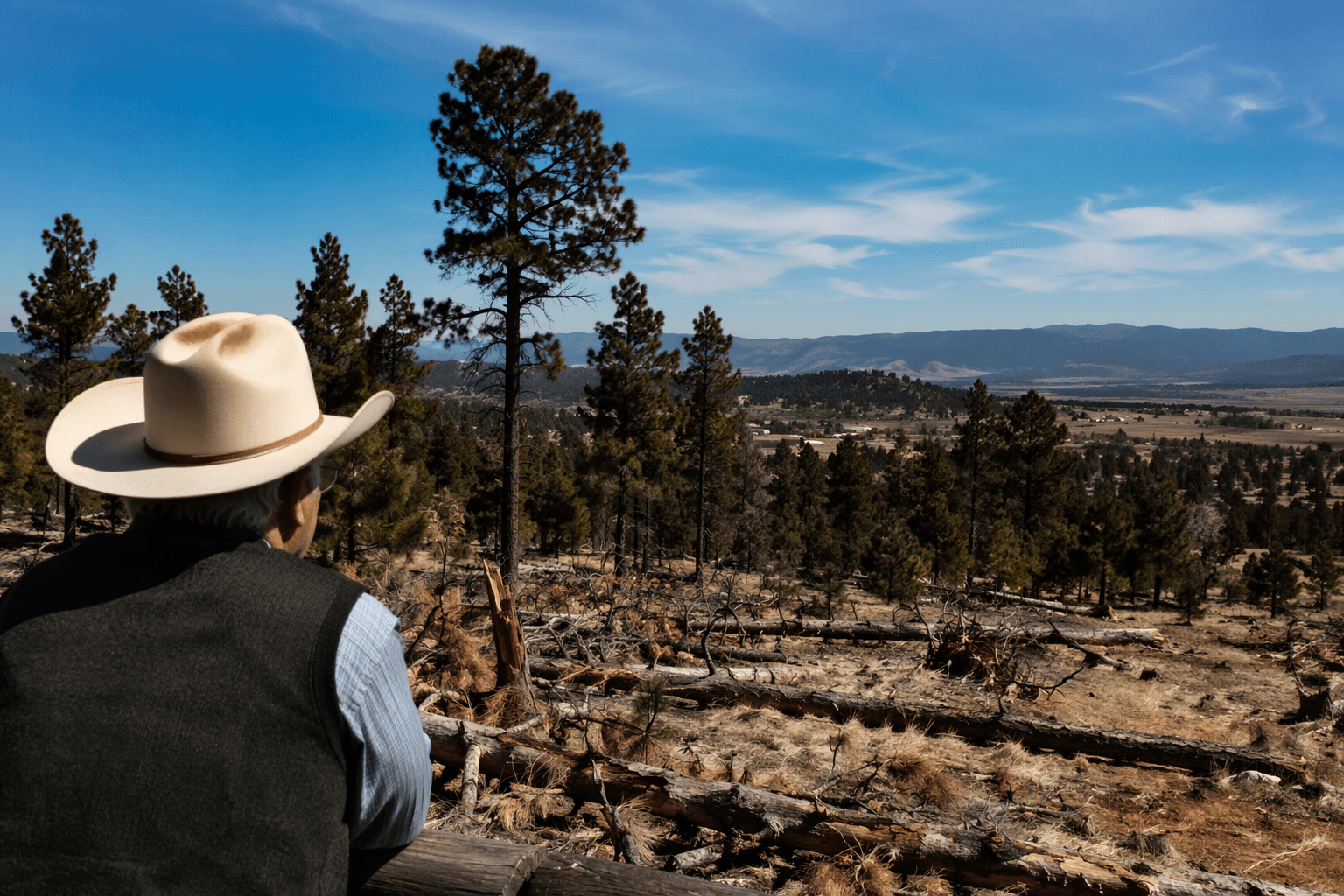
Fire-prevention work is still moving, but residents say it depends on fragile coordination across agencies and landowners. Arizona’s Department of Forestry and Fire Management began a 683-acre Molina Basin fuels-reduction project north of Springerville in April 2026, a project aimed at forest health improvements and hazardous fuels reduction. For Apache County, that kind of thinning matters because it can break up heavy fuel loads before lightning, wind and summer heat turn a dry patch of forest into a fast-moving fire.
The broader fight is playing out in Washington. In a December 2, 2025 letter led by Sens. Jeff Merkley, Amy Klobuchar and Martin Heinrich, Democrats including Arizona Sens. Mark Kelly and Ruben Gallego warned that Forest Service wildfire-prevention work was running about 38% behind the previous four-year average. Arizona officials have said funding and staffing cuts hurt some forest resources last year, while federal officials have insisted the government is prepared.
For Springerville, the issue is no longer abstract. If thinning, road access work and response capacity fall behind again, the next fire season could bring slower movement for crews, fewer options for residents and more pressure on the forest edge where homes and grazing land meet the trees.
This article was produced by Prism’s automated news system from verified source data, official records, and press releases, then run through automated quality and moderation checks before publishing. The system is built and supervised by the people who set the standards it runs under. Read our full AI policy.
Did this article answer your question?