Sunrise Park Resort anchors year-round recreation in Apache County
Sunrise Park Resort is more than a ski hill: the White Mountain Apache Tribe runs a four-season mountain asset that drives spending across Greer, Eagar and Springerville.
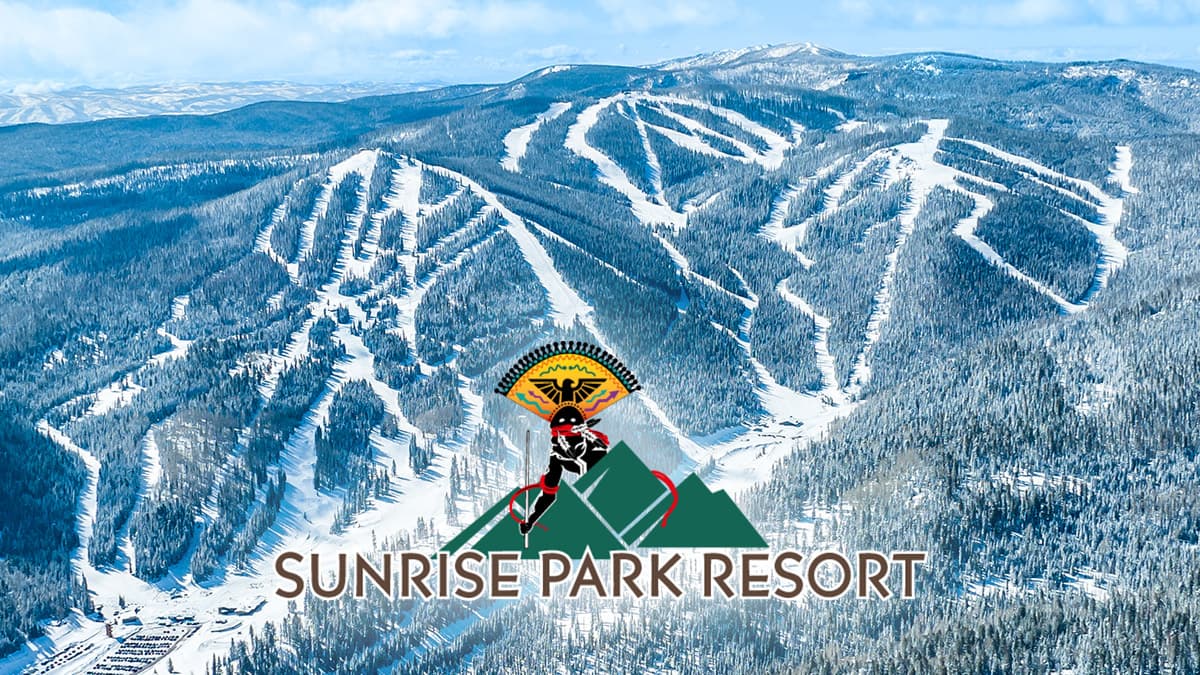
Sunrise Park Resort is the kind of Apache County destination that changes with the season and still keeps the same communities in its orbit. Owned and operated by the White Mountain Apache Tribe in Greer, the resort is about a four-hour drive from Phoenix, Tucson or Albuquerque and functions as both a regional escape and a local economic anchor for the White Mountains.
Winter on three peaks
In winter, Sunrise markets itself as Arizona’s largest ski resort, and the scale is real by desert standards. The mountain offers three peaks, 65 runs, a separate snowboarding area, cross-country ski trails and a dedicated children’s ski-wee area, giving the property a range that reaches beginners, families and more advanced skiers in the same footprint.
The ski area is divided into Sunrise Peak, Apache Peak and Cyclone Circle. Third-party ski data places the resort’s elevation range at roughly 2,853 meters to 3,330 meters, and a University of Arizona climate analysis says Sunrise produces enough snow for only 10 percent of the skiable terrain. That is why snowmaking is such a central part of the operation, and why the mountain still depends heavily on natural snow across much of its terrain.
A summer calendar that stays busy
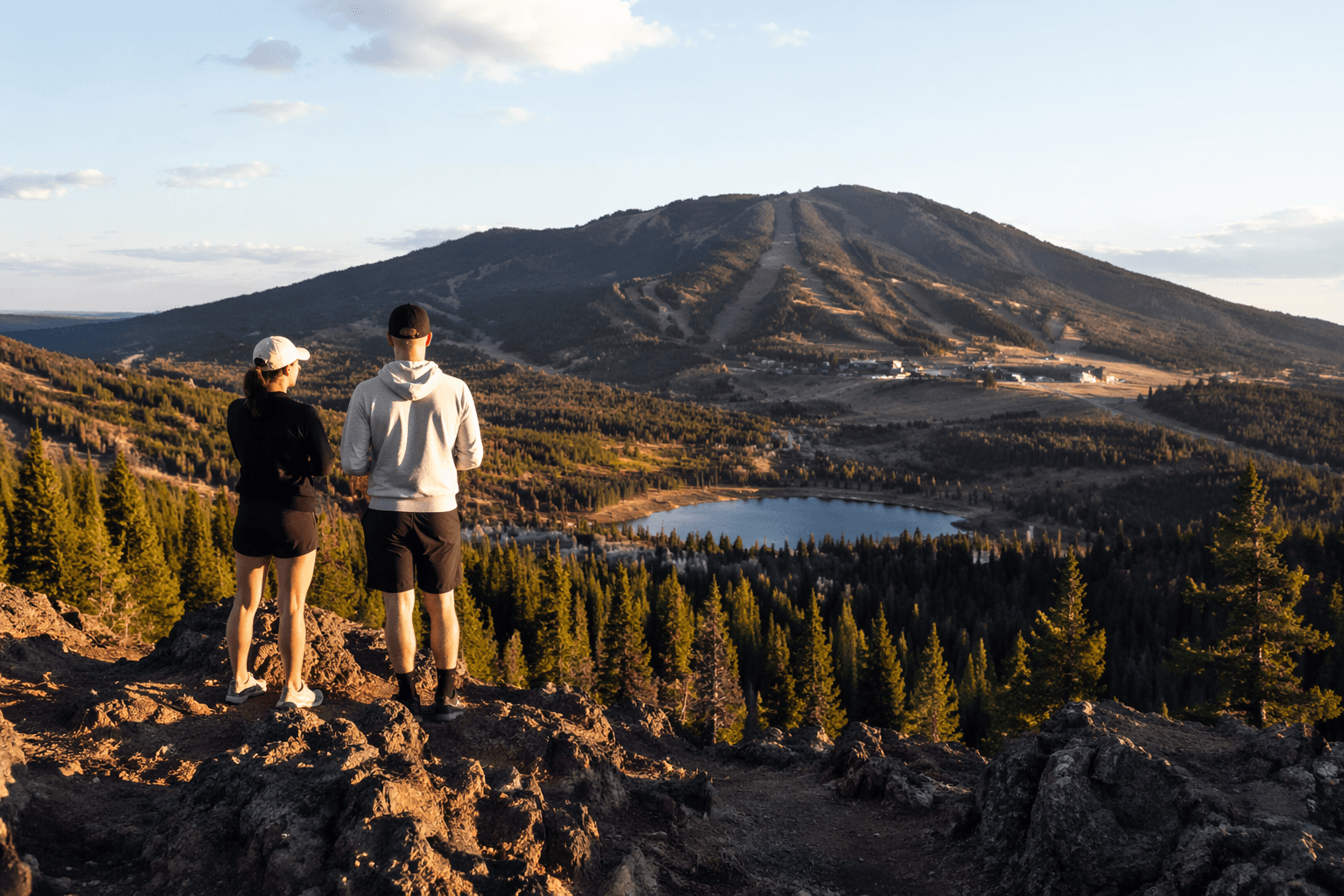
When the snow melts, Sunrise does not turn into a quiet hilltop property. The resort says it offers Arizona’s only lift-served downhill mountain biking, scenic lift rides, a rock-climbing wall, lake fishing, camping and zip-line experiences, along with tubing, archery, disc golf, water sports, horseback tours and marina access for boat rentals on Sunrise Lake. That mix makes the resort a true year-round recreation site rather than a winter-only ski stop.
The summer schedule also gives the mountain a clear rhythm. Sunrise says warm-season operations run Wednesday through Sunday from 10 a.m. to 6 p.m., a timetable that helps local families, day-trippers and overnight guests plan around lift rides, lake time and other activities. The result is a resort that stays visible and usable long after ski season ends.
- lift-served downhill mountain biking, the only one of its kind in Arizona
- scenic lift rides with broad views of the White Mountains
- tubing, archery and disc golf for families and groups
- water sports, lake fishing and marina boat rentals on Sunrise Lake
- camping and horseback tours for visitors who want a longer mountain stay
The warm-weather menu includes:
The alpine coaster adds another layer
One of the clearest examples of how Sunrise has diversified is the Sunrise Apache Alpine Coaster. The resort describes it as one of only two alpine coasters in Arizona and the only tribal coaster in the country, which makes it a distinctive attraction even in a state with a crowded tourism market.
The coaster has more than 3,000 feet of track, operates in both summer and winter, and reaches a top speed of 25 mph. That gives Sunrise a ride that works as both a family attraction and a signature draw, especially for visitors who want something more than lift access and trail maps.
A tribal enterprise built over decades
Sunrise stands apart from a standard Arizona mountain destination because it is not a private ski hill or a resort driven only by outside investors. The White Mountain Apache Tribe has treated it as an enterprise, a governance issue and a community asset for decades.
A 50th-anniversary retrospective traces the idea back to 1962, when chairman Ronnie Lupe and other tribal members first considered a ski resort near Hawley Lake before Lupe took them to Sunrise Peak. The resort began in December 1970 as a one-mountain ski hill with just three trails, Spruce Ridge, Crown Dancer and Lupe. Christmas Day 2020 marked its 50th year in business, a reminder that Sunrise has been part of the county’s recreation economy for more than half a century.
The tribal government has formalized that role. In 2012, the White Mountain Apache Tribe adopted a Sunrise Plan of Operations and established a board of directors for the resort, then approved a $1.5 million loan to Sunrise Park Ski Resort. In 2022, tribal council approved $3,835,000 in American Rescue Plan Act funds for hotel renovations, reinforcing that the resort remains a strategic tribal investment, not just a seasonal amenity.
A Harvard Project on Indigenous Governance and Development page points to a 2002 tribal report on rethinking Sunrise Ski Resort, which shows how long the property has sat inside tribal enterprise planning. That kind of continuity matters in a place where tourism, employment and infrastructure all depend on the same mountain.
Why Apache County feels the impact
The resort’s reach extends far beyond the slopes and trails. Winter visitors support lodging, dining, guiding, fuel and gear businesses in Greer, Eagar, Springerville and across Round Valley, while also increasing traffic on mountain roads and adding pressure on emergency services. For Apache County, that makes Sunrise an economic engine as much as a recreation destination.
The seasonal calendar also shows how tightly the resort’s fortunes are tied to weather and infrastructure. Snowmaking for the 2025/26 winter season was set to begin November 1, 2025, with a target opening date of Friday, December 12, 2025. For a mountain that depends on both natural snow and active tribal investment, that schedule helps set the pace for winter across the eastern part of the county.
This article was produced by Prism’s automated news system from verified source data, official records, and press releases, then run through automated quality and moderation checks before publishing. The system is built and supervised by the people who set the standards it runs under. Read our full AI policy.
Did this article answer your question?


