Utah Navajo Communities Demand Greater Local Say in Water Settlement Implementation
Aneth residents pushed tribal leaders for answers on how $210M in federal water funds will reach their taps, five days after a community meeting put implementation on the spot.
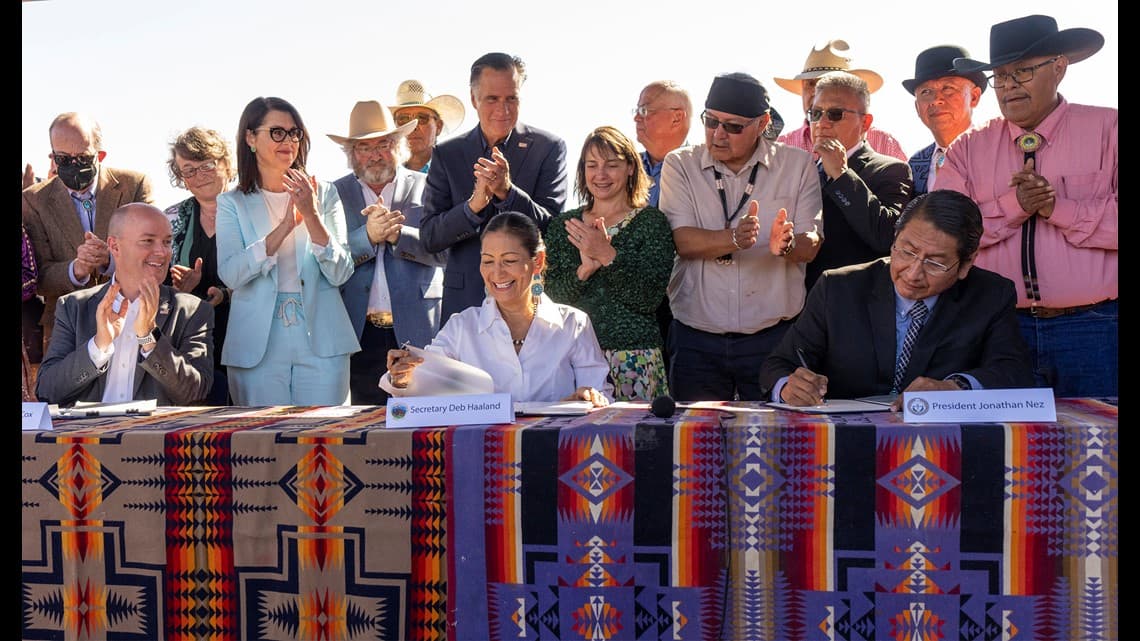
Residents of Aneth, Utah, gathered last week to demand something the settlement paperwork has yet to deliver: a clear answer about when water infrastructure will actually reach their communities.
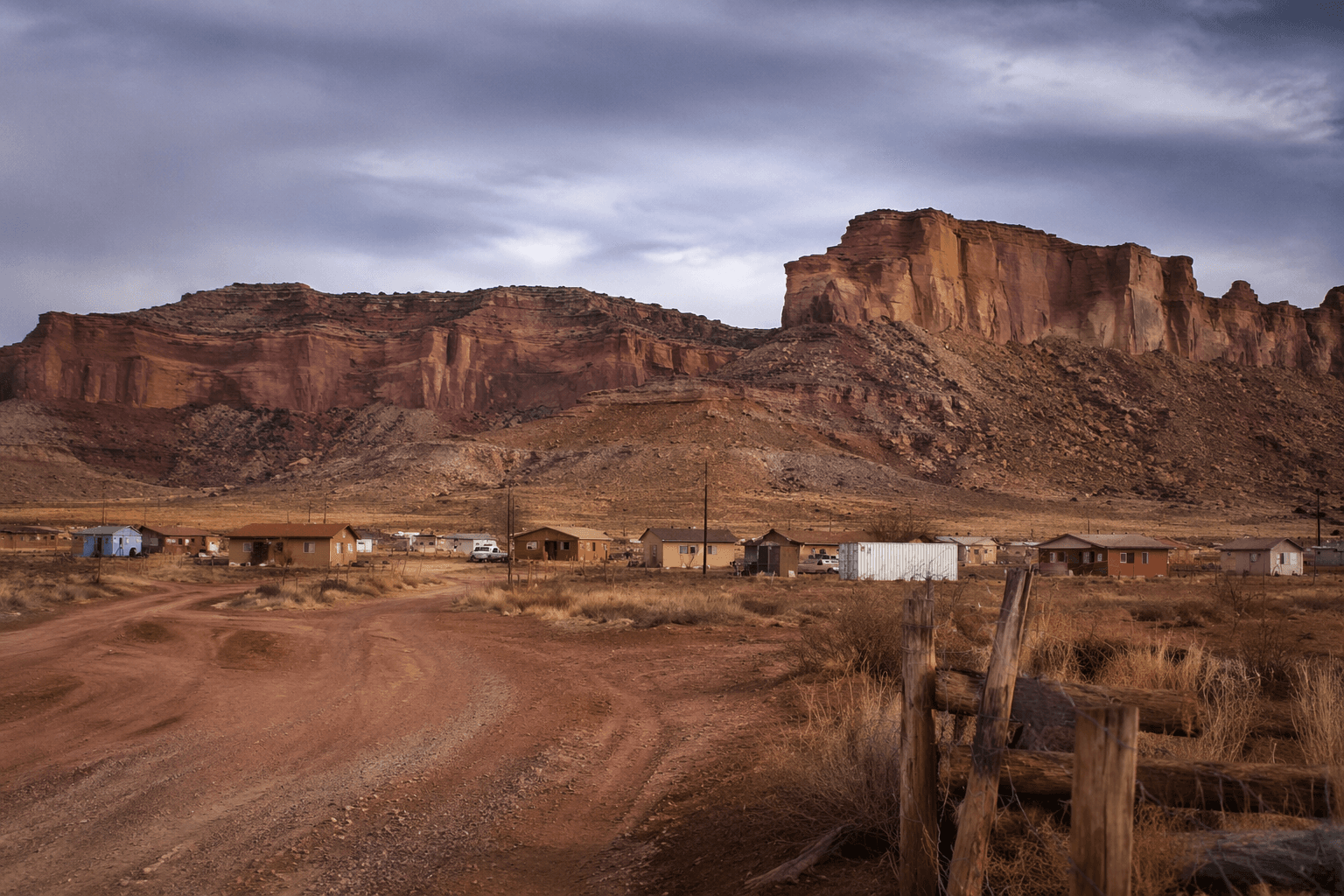
At a March 12 meeting, community members pressed outside experts and tribal leaders for concrete explanations of how the Navajo-Utah Water Rights Settlement would translate into physical water infrastructure on the ground. The exchange placed a spotlight on the gap between a legally completed agreement and the daily reality facing Utah Navajo communities still waiting on construction timelines, project lists, and decisions about who gets connected first.
The settlement itself represents more than two decades of legal work. The Navajo Utah Water Rights Settlement Act, introduced by former Sen. Mitt Romney in 2019, was authorized by Congress in 2020 as part of the Consolidated Appropriations Act and received full funding through the Infrastructure Investment and Jobs Act of 2021. Under the finalized 2022 agreement, the Navajo Nation secured 81,500 acre-feet of reserved water rights covering all tribal claims to water within Utah. The federal government committed more than $210 million toward water infrastructure projects on the Navajo Nation, with Utah adding $8 million.
Utah Lt. Gov. Deidre Henderson called the deal a breakthrough. "While there are no easy answers to the issue of water in the West, I am emboldened by the spirit of collaboration that made this moment possible," she said in a press release. "This historic agreement will bring clean drinking water to the Navajo people in Utah, and I'm grateful for all of our partners who tackle tough issues with an eye toward solutions."
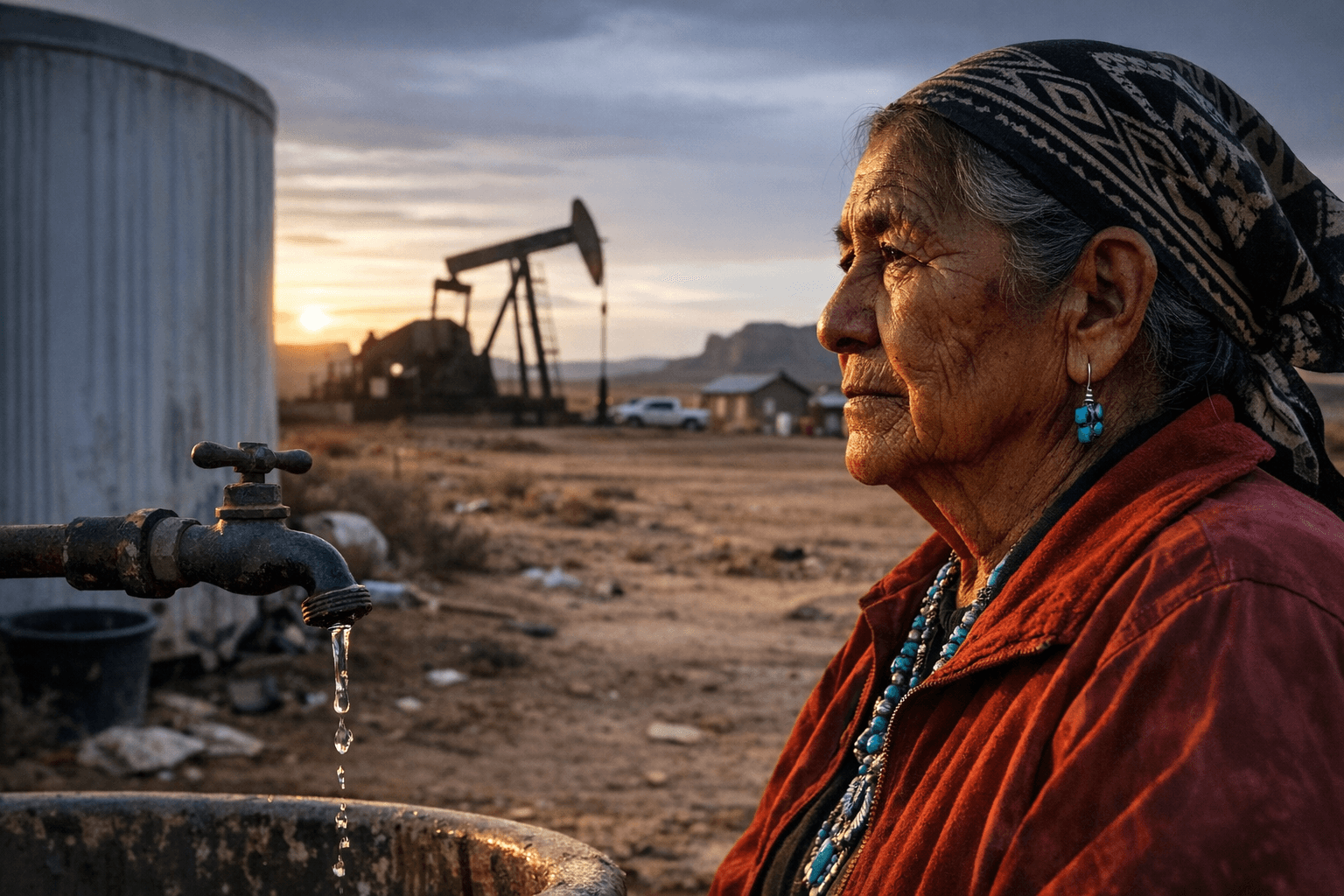
But for Bidtah N. Becker, chief legal counsel for the Navajo Nation, the Utah milestone is one chapter in a longer fight. Becker told St. George News that securing the tribe's legal rights to the Colorado River in Arizona remains the tribe's "No. 1 issue." The Navajo Nation spans portions of southeastern Utah, northeastern Arizona, and northwestern New Mexico, and while settlements were reached in New Mexico in 2009 and in Utah in 2022, tribal members in Arizona still lack a legal water allocation from the river that runs through their land.
A bill now before Congress, the Northeastern Arizona Indian Water Rights Settlement Act of 2025, seeks to close that gap. Becker framed the stakes in terms that link water access directly to the tribe's economic future. "It's definitely the access to water security, access to clean drinking water, and the understanding that access to clean drinking water is also a tool for economic development," she said.
The Aneth meeting signals that for Utah Navajo communities, the question has shifted from whether the settlement exists to whether it will function as promised. With more than $218 million in combined federal and state funds on the table, the pressure to move from signed agreements to working faucets is growing louder at the local level.
This article was produced by Prism’s automated news system from verified source data, official records, and press releases, then run through automated quality and moderation checks before publishing. The system is built and supervised by the people who set the standards it runs under. Read our full AI policy.
Did this article answer your question?