Veterans Housing Program update, 192 remain on Navajo waitlist
President Buu Nygren received a briefing on December 19 from the Navajo Nation Veterans Administration and The Sparrow Group about progress in the Veterans Housing Program, including completion of 100 home remodels under a $10.7 million contract. The update matters to Apache County residents because it signals tangible home improvements for veterans while highlighting a continuing waitlist of 192 veterans, surviving spouses, and Gold Star parents needing repairs.

On December 19 the Navajo Nation Veterans Administration and The Sparrow Group briefed President Buu Nygren on the Veterans Housing Program, providing a status report on contractor work, staffing, and funding deployment. The Sparrow Group, identified as a Priority 1 contractor that is Native owned and that employs Navajo workers, is carrying out home improvement work across the Nation under a reported $10.7 million contract. Crews have completed 100 home remodels so far, delivering new roofs, energy efficient windows, safer heating upgrades, and more durable materials.
The administration framed the renovated homes as projects that restore dignity and stability for veterans and emphasized the need to accelerate resource deployment to meet ongoing demand. Despite completed work, the briefing noted that 192 veterans, surviving spouses, and Gold Star parents remain on the program waiting list. Officials focused attention on staffing levels, contractor performance, and the timely release of funding as determinants of how quickly the backlog can be reduced.
For Apache County residents living on the Navajo Nation the update has practical implications. Home improvements such as weatherproof roofing and safer heating systems reduce winter safety risks and can lower household energy costs, outcomes that are especially important during cold months. The pace of contractor work and the size of the waiting list will shape how soon individual households receive repairs and upgrades.
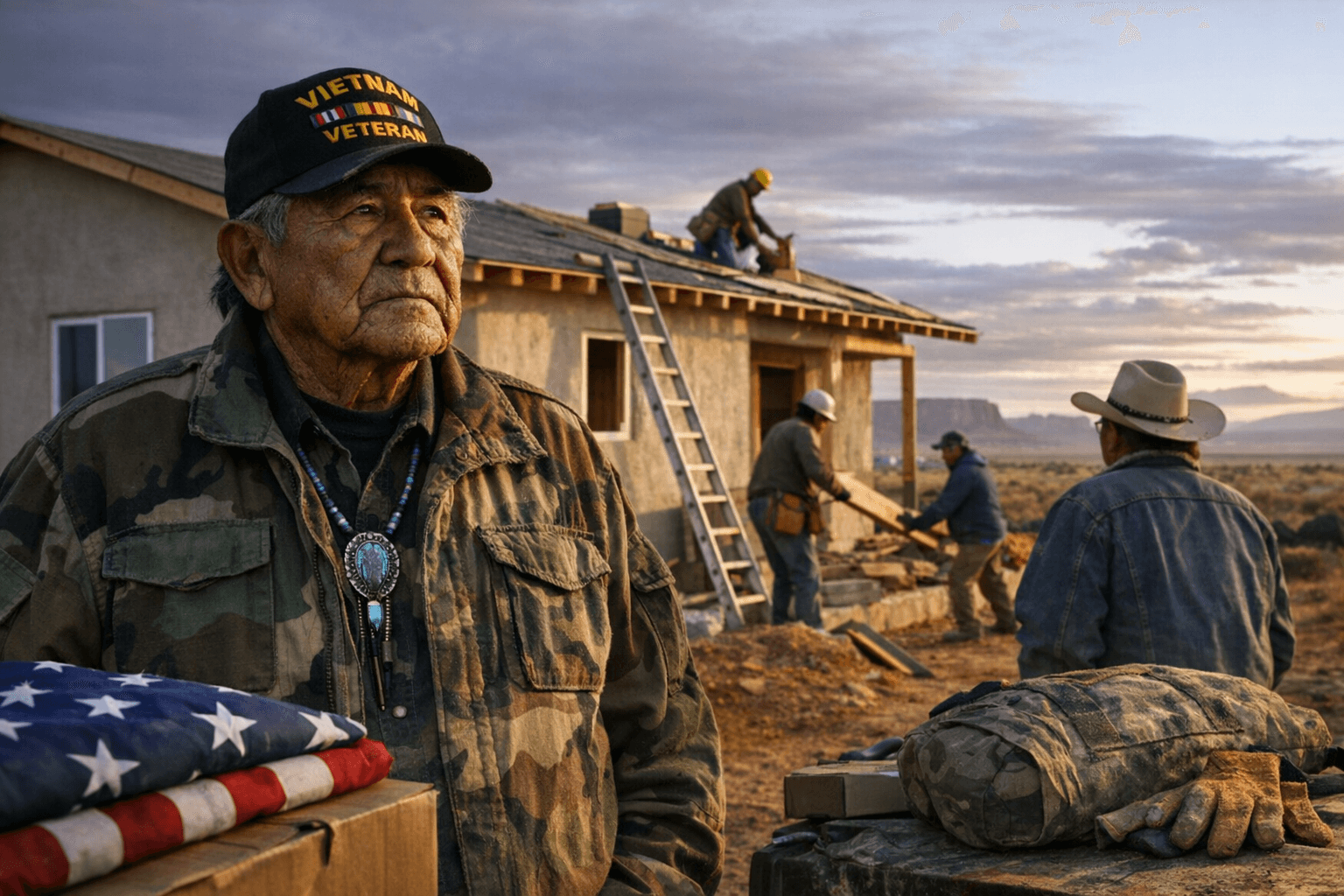
The briefing raises policy and governance questions for county and tribal leaders. Ensuring contractor accountability, matching staffing capacity to program demand, and tracking the flow of contract funds are critical to translating the contracted work into completed projects for more veterans. Community members and local officials will likely watch subsequent reports on waitlist reductions, contractor performance metrics, and budget allocations as measures of whether the administration meets its stated priorities for veterans housing.
This article was produced by Prism’s automated news system from verified source data, official records, and press releases, then run through automated quality and moderation checks before publishing. The system is built and supervised by the people who set the standards it runs under. Read our full AI policy.
Did this article answer your question?