Why Canyon de Chelly remains Apache County’s living landmark
Canyon de Chelly is not a drive-by stop. It is a Navajo homeland where families still live, and where access, guides, and local spending shape every visit.
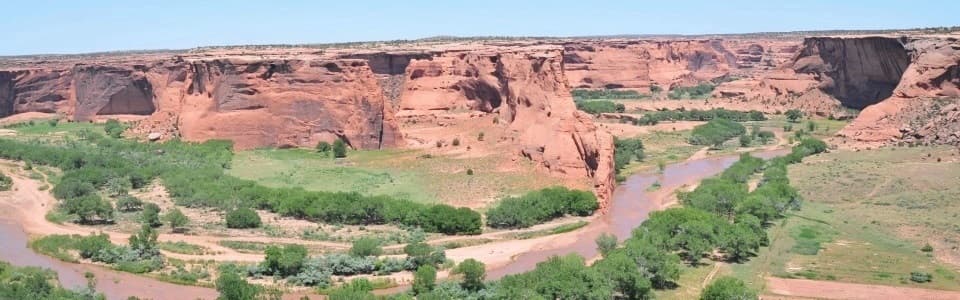
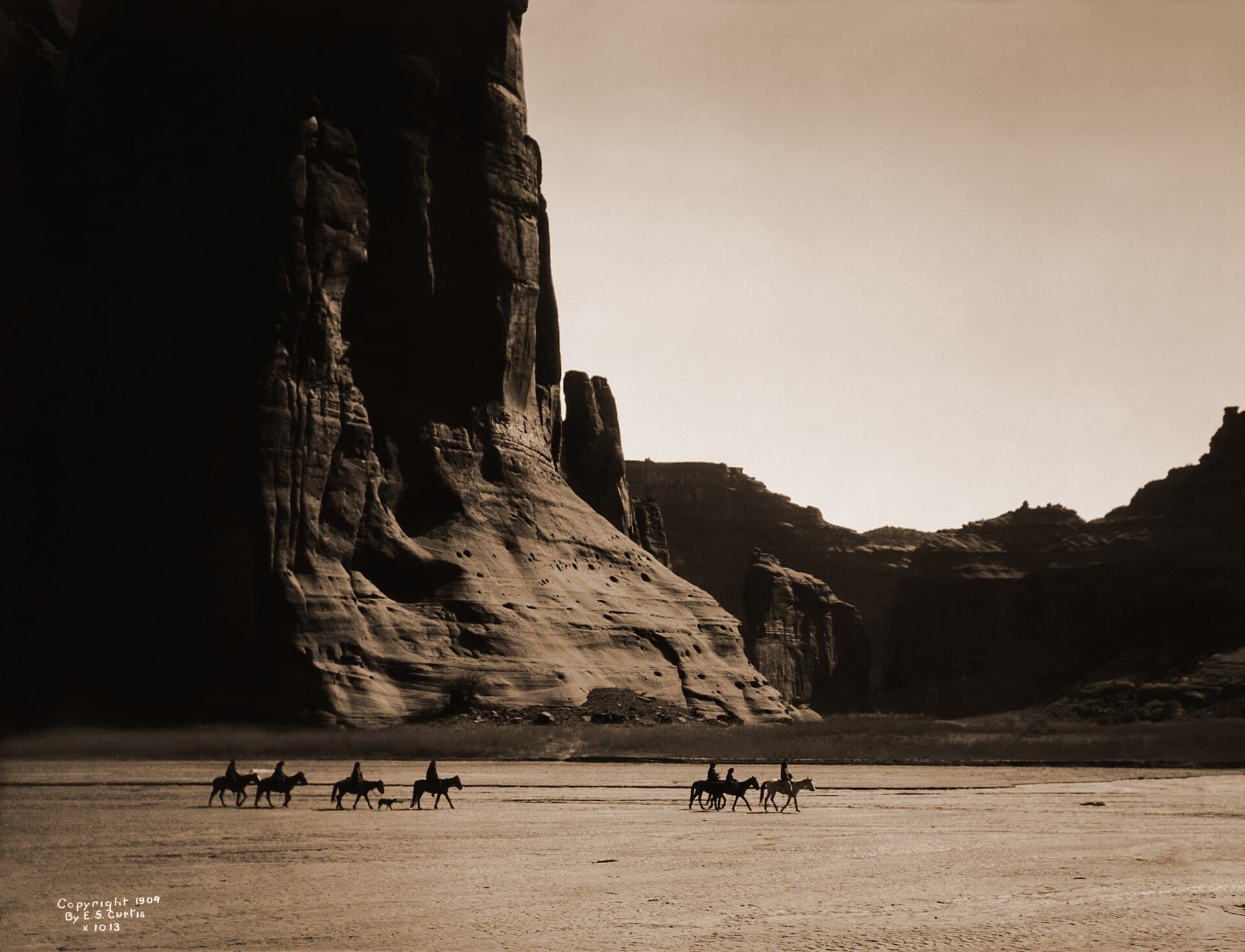
The park in Chinle sits entirely on Navajo tribal lands. The landscape carries nearly 5,000 years of human history. A visit is less like checking off a monument and more like entering a working homeland that asks for restraint, attention, and a local budget.
A landscape with residents, not a backdrop
The first rule of Canyon de Chelly is simple: this is not empty country. People still farm, raise livestock, and live in the canyon today, which changes the way every overlook, trail, and tour should be understood. The canyon’s beauty is inseparable from its role as home, both a dramatic destination and a place of continuing Navajo life.
Visitors who approach it as a passive sightseeing stop risk treating the community as scenery. A responsible trip starts with the recognition that the canyon floor is not just an attraction. It is a lived-in place with access rules shaped by safety, stewardship, and tribal governance.
What you can do from the rim
For travelers based in Chinle, the easiest way to experience Canyon de Chelly is from the rim. The park has two rim drives with ten overlooks, and those routes give broad views without requiring a guide. The Welcome Center is the place to start, especially if you want to understand which trails are open, which areas are restricted, and how to plan a day that stays within the rules.
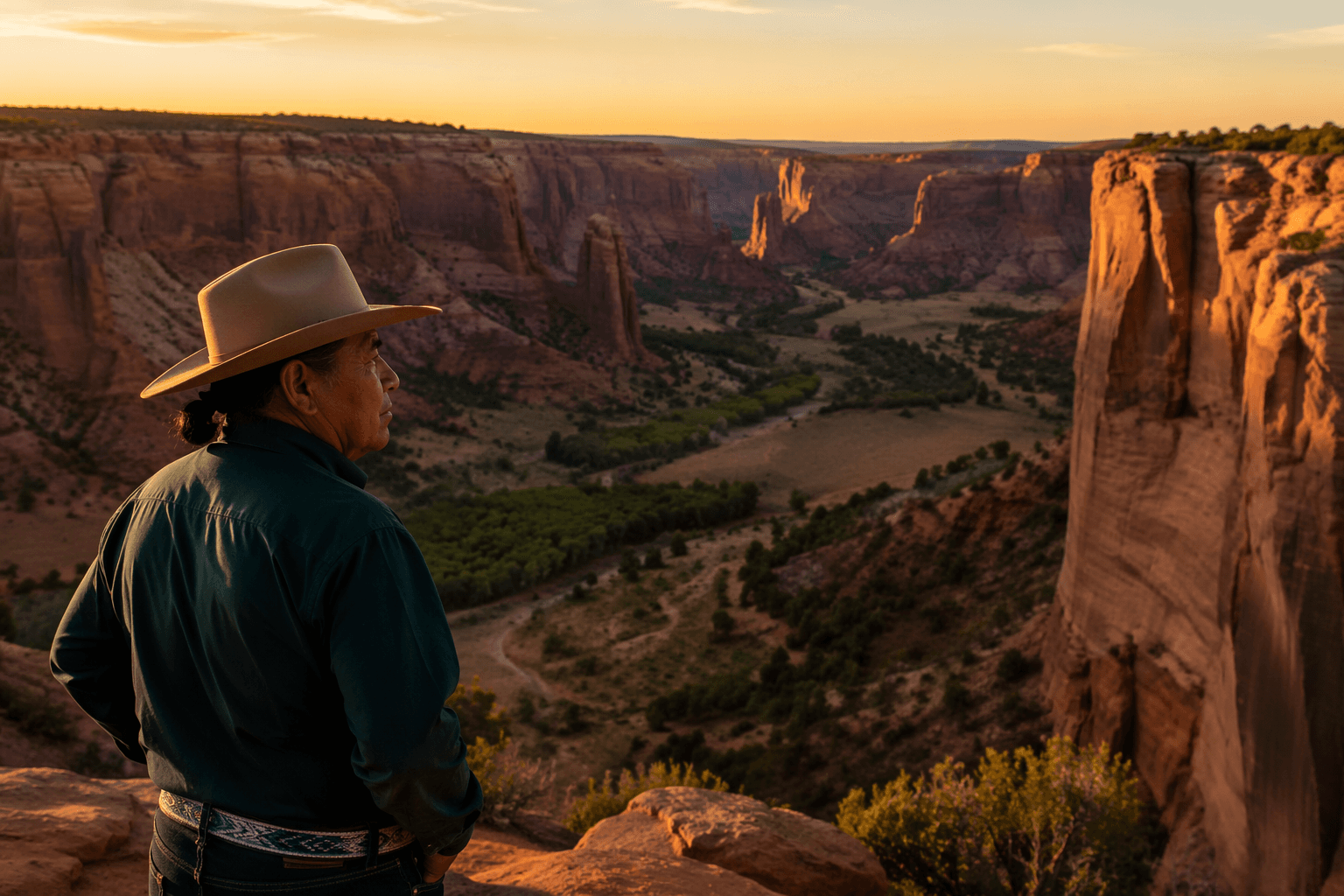
The White House Trail begins at White House Overlook and offers another visitor option from the rim side of the canyon. That trail is one of the clearest examples of how access works here: some experiences are available directly, while others depend on local permissions and conditions.
What requires a Navajo guide
If you want the canyon floor, the rules change. Private companies offer tours by vehicle, horseback, or hiking, but those tours require working through Navajo Parks and Recreation. That structure reflects the fact that access can be limited by hazardous conditions or resource protection.
Reservations are recommended from March to October, which is the busiest planning window for travelers who want a guided experience. Anyone hoping to go deeper into the canyon should expect the trip to be arranged on local terms, with Navajo oversight built into the process.
Why spending in Chinle matters
Chinle, just 2 miles from the park, is the practical base for a responsible visit. It has gas, groceries, a bank, laundromats, convenience stores, fast food, and lodging, which means visitors do not need to rely on the canyon itself for basic needs. It is the place where trip spending can actually support local businesses instead of disappearing into a gas tank and a photo stop.
A visitor who fills up in Chinle, buys food there, stays there, and books a local tour puts money into the place closest to the landmark. A visitor who drives in, takes a few pictures, and leaves has used the canyon without meaningfully engaging the community around it.
How to visit without treating the homeland like scenery
The canyon is not set up for careless wandering. The rules around guided access, restricted areas, and resource protection exist because this is a living Navajo homeland, not an isolated park unit built only for outside consumption.
A practical approach looks like this:
- Start at the Welcome Center and learn which areas are open to self-guided viewing.
- Use the rim drives and the ten overlooks to see the canyon without crossing into places that require a guide.
- If you want the canyon floor, book through the proper Navajo channels and plan ahead, especially from March through October.
- Stay in Chinle, fuel up there, and use the town’s services so your trip leaves something behind besides traffic.
- Treat homes, fields, livestock, and working land as part of the landscape, because they are.
This article was produced by Prism’s automated news system from verified source data, official records, and press releases, then run through automated quality and moderation checks before publishing. The system is built and supervised by the people who set the standards it runs under. Read our full AI policy.
Did this article answer your question?