Atchison County economy rests on five key pillars
Atchison County's economy runs on five visible pillars, from factory shifts to farm fields. The mix keeps downtown, schools, clinics, and household budgets tied together.
Atchison County’s economy is easier to see when it is broken into the five pillars that show up in daily life. Manufacturing, educational services, healthcare, retail trade and agriculture are not abstract categories here, they are the jobs, errands, school runs and farm cycles that shape Atchison, the county seat and largest city. Atchison County Economic Development says health care and education are the major employer groups, while agriculture-related businesses, wind energy and technology have grown in recent years.
Manufacturing
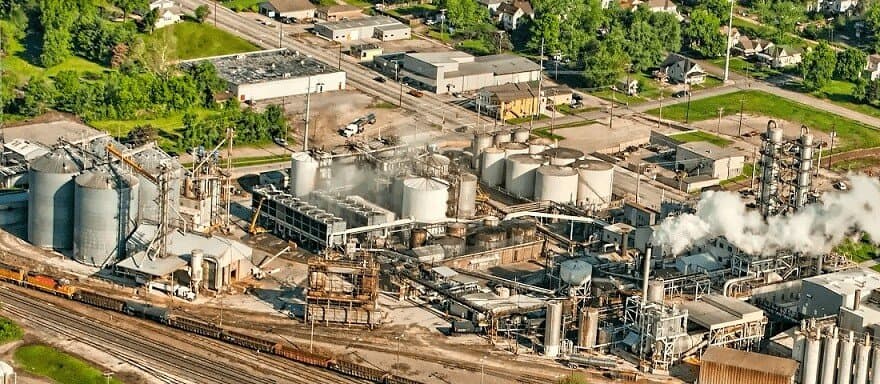
Manufacturing gives the county its industrial backbone, the kind of work that supports households even when the rest of the local economy is moving at a slower pace. Atchison’s position on the Missouri River, and the bridges that cross it, have long mattered to commerce, and the city’s comprehensive plan notes that the Amelia Earhart Bridge opened to traffic in 2013 while the railroad bridge below it was built in 1900. An early-history thesis says Atchison was the first city in Kansas to have either a bank or a railroad, which fits a place where goods and capital have moved through for generations.
That transportation history still matters because factory production depends on reliable routes in and out of town. In a county that had 16,348 residents in 2020 and about 16,200 in 2025, manufacturing is not just an industry line on a chart. It is part of the reason local paychecks circulate through grocery stores, repair shops, schools and the rest of the county economy.
Educational services
Educational services matter because schools and colleges are employers, service providers and talent pipelines at the same time. Benedictine College is one of the largest universities in Atchison, and public-school systems remain major county institutions that affect everything from traffic patterns to lunch lines to housing demand near campuses. The county’s economic-development messaging puts education alongside health care as one of the main employer groups, which is exactly why school schedules ripple through the rest of town.
That role goes beyond classrooms. A college town with a strong public-school base supports professors, staff, bus drivers, custodians, administrators and the businesses that serve students and families. Education helps keep the county anchored, especially in a place where stability depends on more than one large employer and where a median household income of $61,112 has to carry rent, groceries, utilities and childcare across a modest-sized local market.
Healthcare
Healthcare is one of the most important steady engines in Atchison County because it meets a basic need and pays a broad range of workers. The Kansas Hospital Association says the sector supports about 1,276 jobs and more than $75 million in labor income, and a separate association page puts the sector at about 928 employees with nearly $51 million in wages and benefits. Hospitals and physicians’ offices sit at the core of that footprint, but the economic effect reaches well past clinical care into support staff, cleaning, billing, reception and transport.
That breadth is what makes healthcare so visible in everyday life. Clinics and medical offices keep appointments moving for children, seniors and working adults who cannot afford long waits or long drives for routine care. In a county this size, health care is both a necessity and a stabilizer, because those payrolls help keep families here while also supporting nearby retail, housing and service businesses.
Retail trade
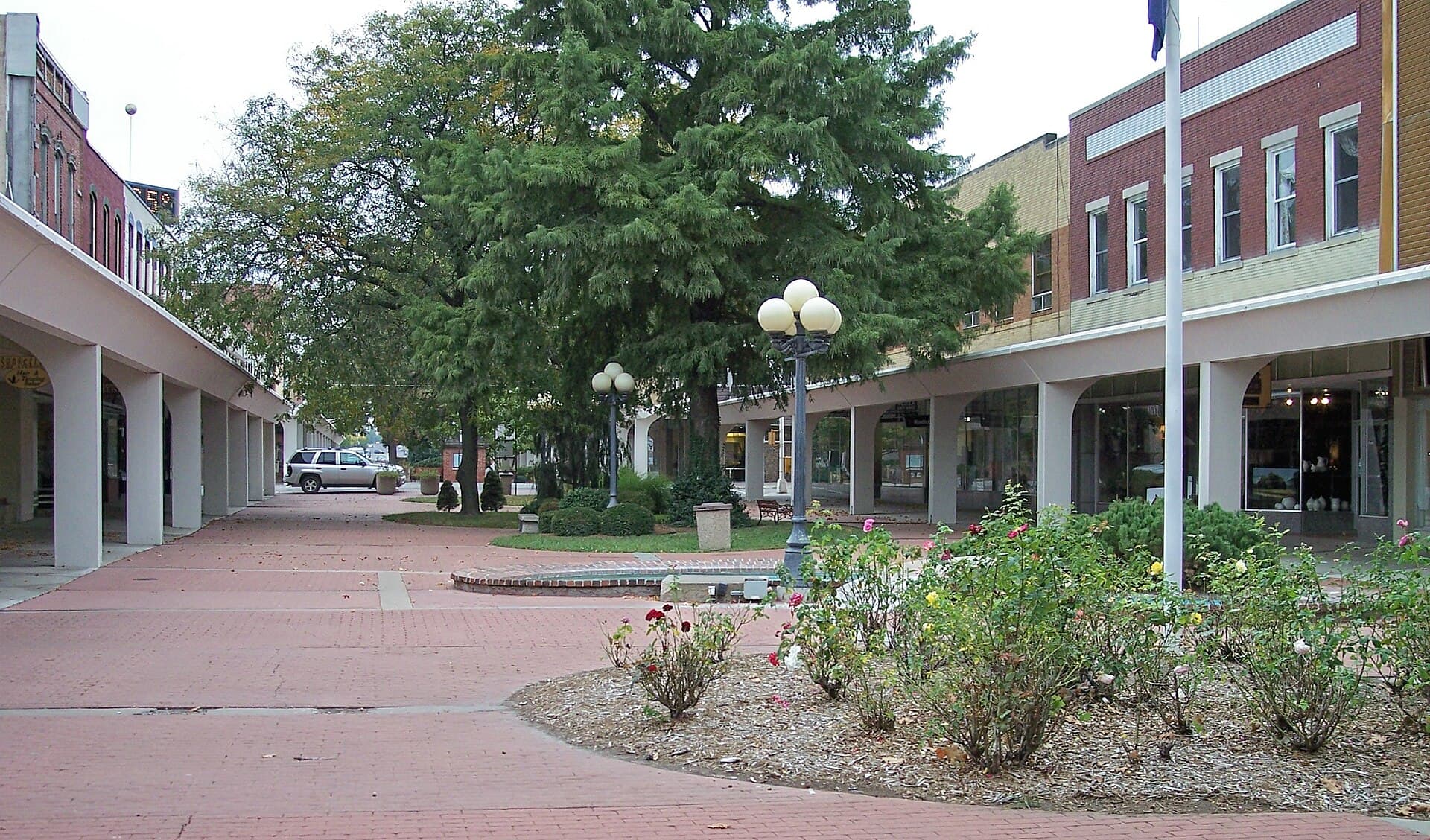
Retail trade is the part of the economy people see when they walk downtown, stop for lunch or make a quick errand run after work. Census data put Atchison County’s total retail sales at $157,062,000 in 2022, a reminder that local spending remains a major part of the county’s economic circulation. That activity matters in a place where downtown Atchison is described by Locally Atchison Main Street as the “veritable heart” of the community, both geographically and socially.
Storefronts do more than sell goods. They keep the center of town active for meetings, meals, appointments and the daily foot traffic that makes Main Street feel lived in rather than empty. When paychecks from manufacturing, education, healthcare and agriculture return to town through shops and service counters, they support the kind of downtown stability that helps Atchison hold onto residents and welcome visitors at the same time.
Agriculture
Agriculture ties the county back to its rural identity and keeps the land itself at the center of the story. USDA National Agricultural Statistics Service county-profile data show Atchison County had 496 farms in 2022, with 193,896 acres in farms and a market value of products sold of $108.63 million. The Kansas Department of Agriculture’s 2024 economic contribution report matches the 496-farm total and places crop and livestock sales at about $109 million in 2022, while USDA data also show net cash farm income of $41.616 million.
Those numbers explain why agriculture still matters even when people spend much of their week in town. Farm income supports equipment purchases, trucking, fuel, repairs and household spending that reaches beyond the field gate. It also fits the broader county picture, where agriculture-related businesses, wind energy and technology have gained ground in recent years, giving Atchison County a rural base without leaving the modern economy behind.
This article was produced by Prism’s automated news system from verified source data, official records, and press releases, then run through automated quality and moderation checks before publishing. The system is built and supervised by the people who set the standards it runs under. Read our full AI policy.
Did this article answer your question?