Atchison County voters face candidates and ballot questions in Kansas primary
Atchison County ballots mixed candidate races with a county EMS sales tax and a statewide court amendment, putting local services and representation on the line.
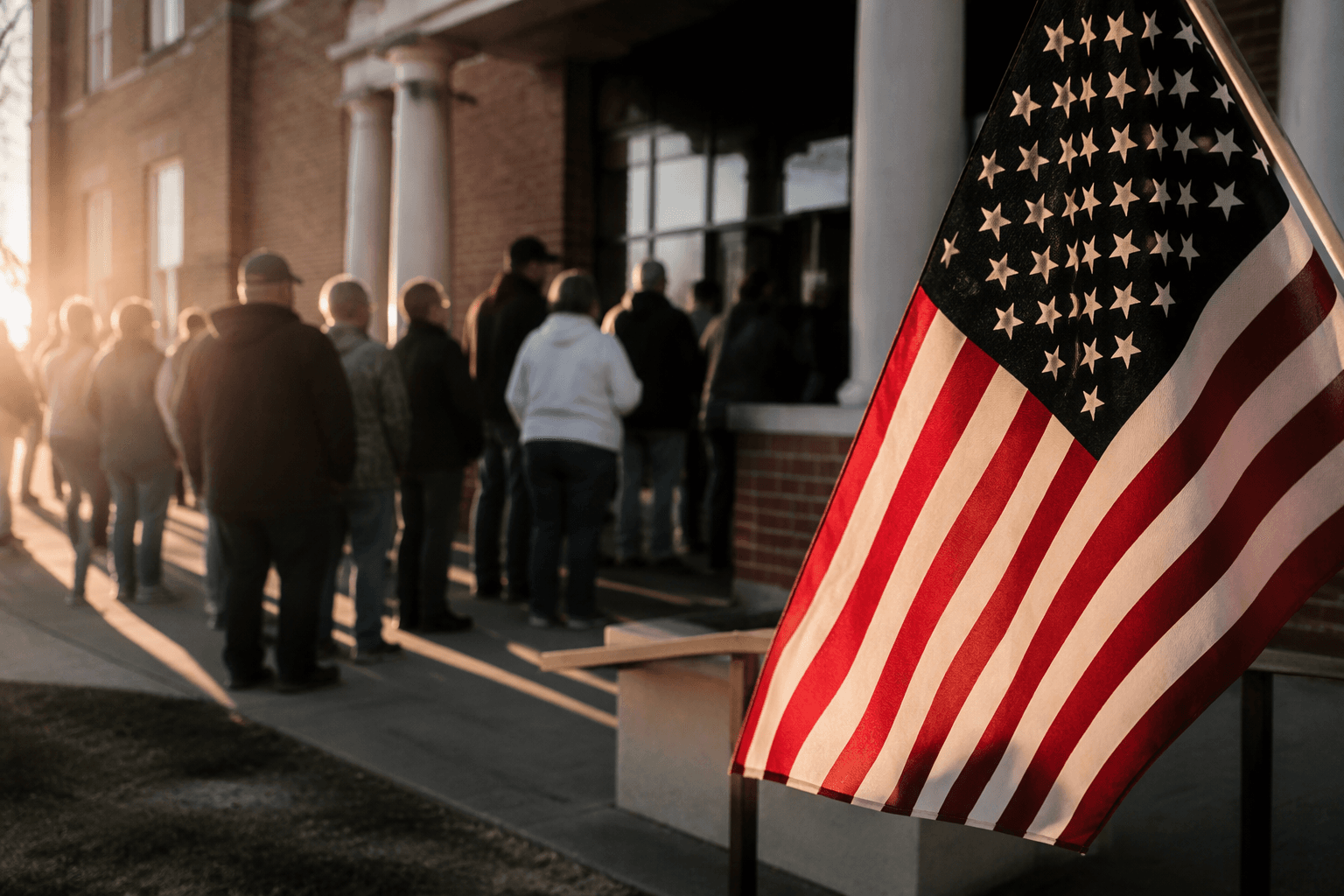
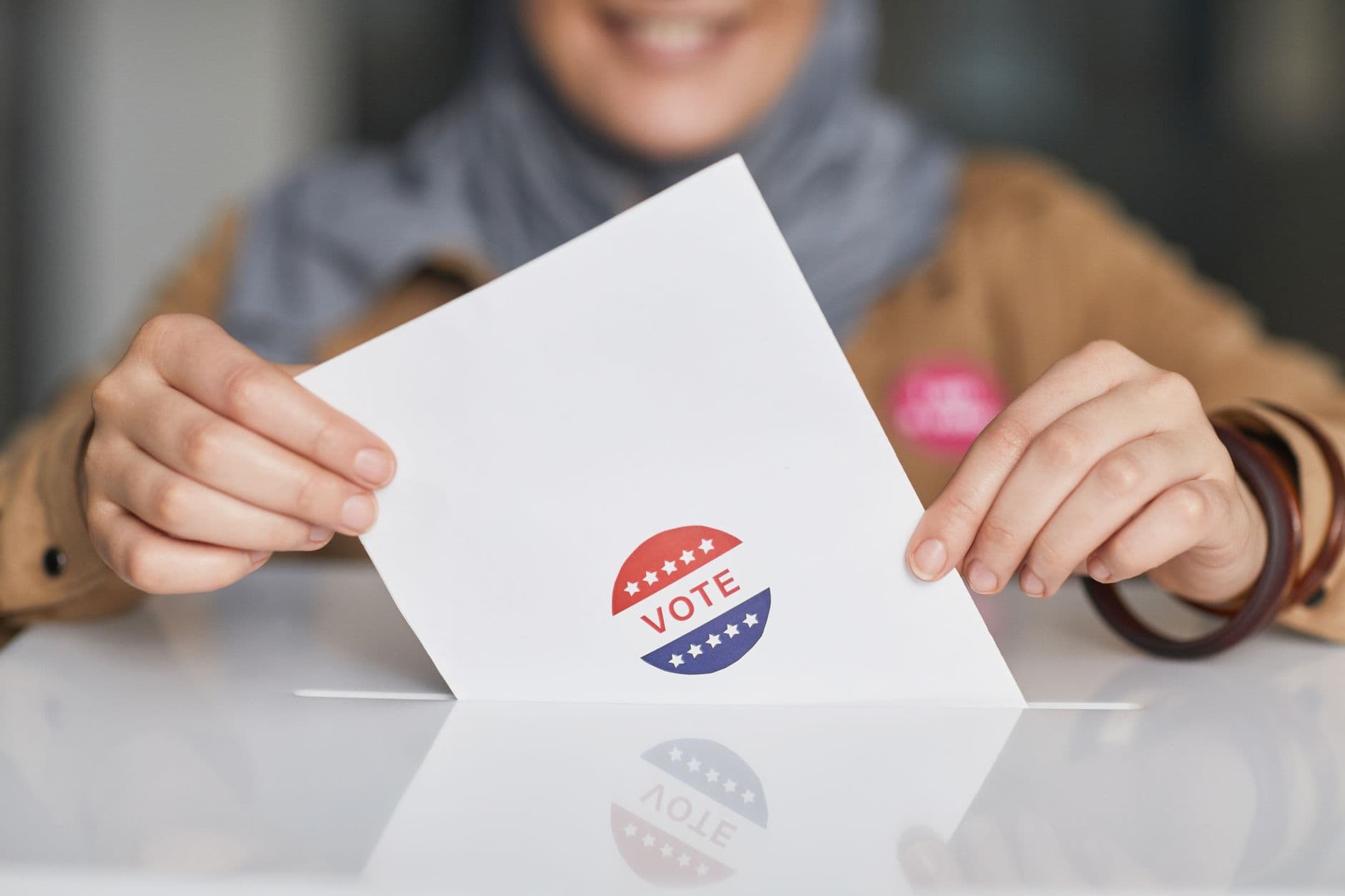
Atchison County voters headed into the Kansas primary with more than candidate names in front of them. The ballot also carried special questions, including a county sales tax proposal to fund EMS and a statewide constitutional amendment on how Kansas Supreme Court justices are selected, making the choice about taxes, services, and the shape of state government all at once.
What was on the ballot
In northeast Kansas, the primary was not just a gatekeeping election for party nominees. Voters were deciding which candidates would move on to the November General Election and whether to approve ballot questions that could affect how government works beyond Election Day. In Atchison County, that meant local races sat alongside broader questions about court structure and county funding.
The Kansas Secretary of State’s guidance put the constitutional amendment on all ballots, and every registered Kansas voter could vote on it regardless of party affiliation. Kansas media later reported that voters rejected the amendment on August 4, 2026, closing the door on a proposed change to the judicial selection process that would have affected one of the state’s most important institutions.
The county EMS tax question
Atchison County Commissioners added a dedicated 1-cent sales tax question to the August 4 ballot to support Atchison County EMS. The county said the proposal was intended to provide property tax relief, which made the question especially significant for residents weighing how to pay for emergency medical service.
That kind of ballot question reaches beyond campaign slogans. If approved, a sales tax shifts part of the burden for county services away from property owners and onto retail purchases made across the county, including by visitors and passing traffic. For a county where EMS coverage matters in both town and rural areas, the question tied a funding decision directly to public safety and household tax bills.
The state constitutional amendment on the Kansas Supreme Court
The statewide amendment on the ballot would have changed how Kansas Supreme Court justices are selected. Under the proposal described in state materials, the Kansas Supreme Court Nominating Commission would still send three finalists to the governor, but the amendment would alter the selection process in a way that could reshape future judicial appointments.
That question mattered in every Kansas county, including Atchison, because courts interpret the laws that govern schools, elections, criminal justice, taxes, and state agencies. The fact that every registered voter could weigh in, regardless of party, underscored that the issue was not a narrow partisan contest but a structural decision about the state’s judicial system.
Why the candidate races mattered locally
The primary also determined which candidates would advance to November in county and regional contests across northeast Kansas. For Atchison County, those races matter because county leaders oversee budgets, roads, public safety, and the practical delivery of services that residents notice long after ballots are counted.
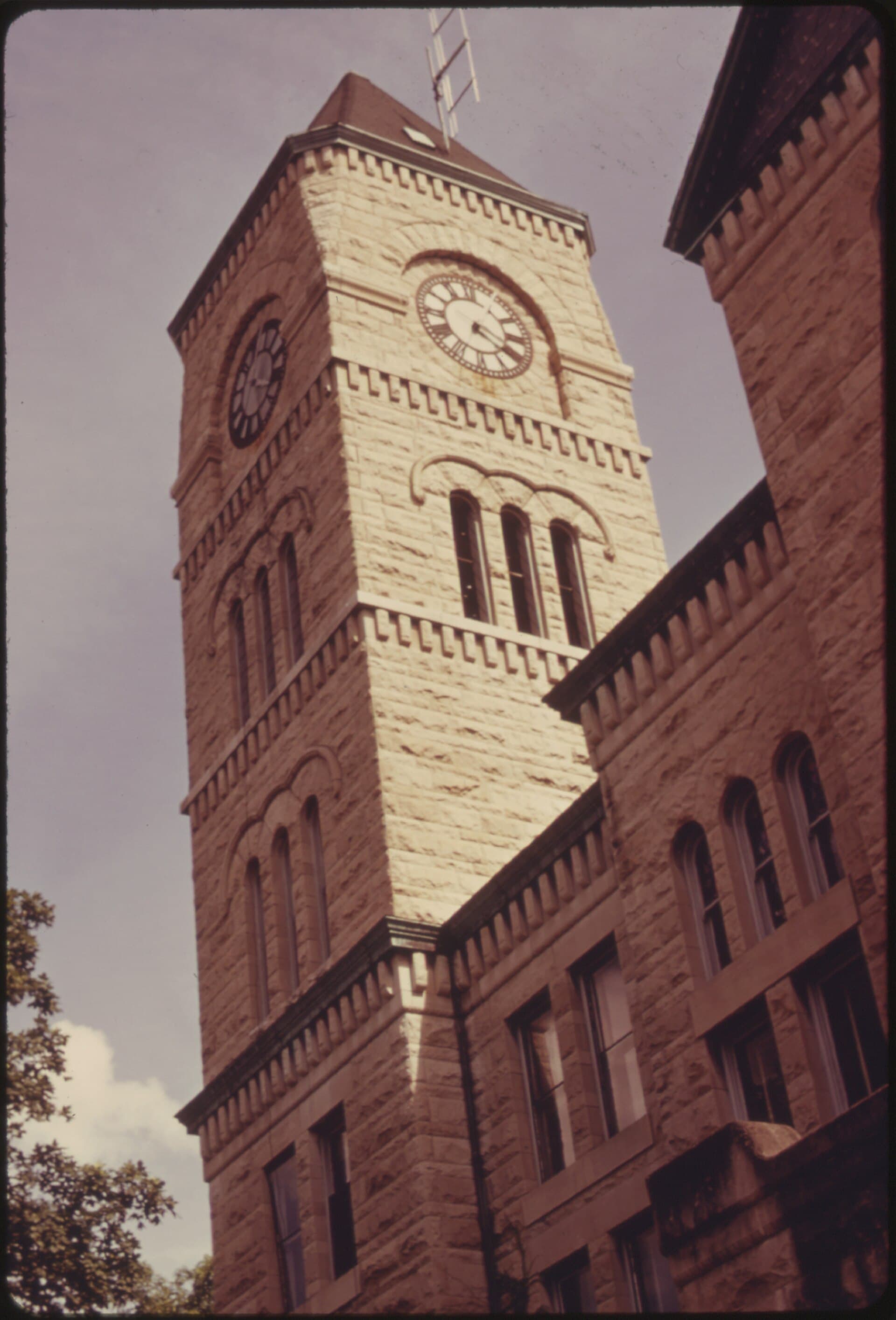
That is why a primary can change daily life well beyond the courthouse or election night results page. The people who survive the primary are the ones who can shape how money is spent, how agencies are staffed, and how county government responds when equipment fails, roads need work, or emergency calls come in from rural parts of the county.
Deadlines that shaped the ballot
The county’s election information page said June 1 at noon was the filing and withdrawal deadline, and it was also the deadline for questions to be placed on the primary-election ballot. That schedule mattered because it set the final list of candidates and ballot issues long before voters saw the printed ballot in August.
Atchison County also notes that voter registration closes 21 days before any election. That rule makes the calendar a real part of election access: once the deadline passes, eligible residents cannot register in time for that election, even if they plan to vote in person on Election Day.
How Kansas elections are run
Kansas election standards assign county election officers the job of planning, conducting, and coordinating elections in their counties. In practice, that means county officials handle the local machinery of democracy, from preparing ballots to carrying out the rules that govern the vote.
State materials also say counties conduct post-election audits after every candidate or constitutional amendment election. Those audits are part of the system that checks whether ballots were counted correctly, which matters in close contests and in elections that decide both officeholders and major policy questions.
What turned on turnout
For Atchison County voters, the primary carried two kinds of consequences at once. One set of choices decided who would represent the county in the fall and beyond, and the other tested whether residents were willing to raise sales taxes for EMS while weighing a statewide judicial amendment that reached every ballot in Kansas.
That mix of local funding, state governance, and candidate selection made the primary more than a routine step toward November. It was a direct vote on how Atchison County pays for service, how Kansas selects its justices, and which contenders get to carry their campaigns forward.
This article was produced by Prism’s automated news system from verified source data, official records, and press releases, then run through automated quality and moderation checks before publishing. The system is built and supervised by the people who set the standards it runs under. Read our full AI policy.
Did this article answer your question?