Atchison County voters to decide EMS funding tax choice in August
Atchison County voters will weigh a 1% EMS sales tax in August, a choice that could shift ambulance funding off property-tax bills and onto purchases.

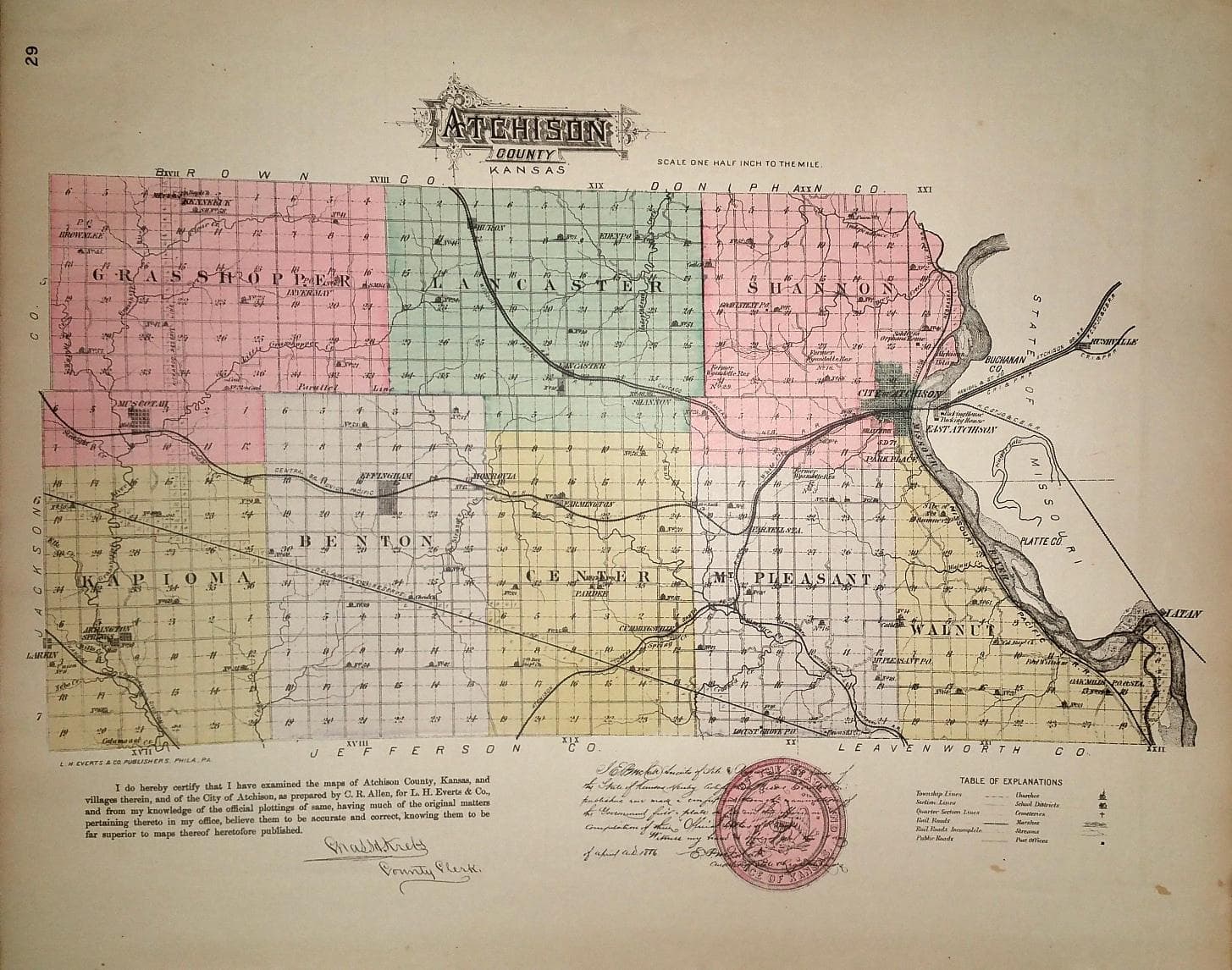
Atchison County voters will be asked in August to choose how emergency medical services are funded: a dedicated 1% countywide retailer sales tax or continued reliance on property taxes. The decision will affect Atchison County EMS and Atchison County Rescue, especially in rural Atchison County, where ambulance response can be time-sensitive and reliable coverage matters most.
Commissioners Casey Quinn, James Campbell and John Calhoon discussed the ballot question during 93.7 FM’s Co-Host Monday on June 15, after the Board of County Commissioners moved the proposal forward. The measure would put the issue before voters on the Aug. 4, 2026 ballot, and if approved, the tax would begin Jan. 1, 2027 and run for 10 years. At 1%, the tax would add 1 cent for every dollar of taxable purchases, shifting part of the burden from landowners to shoppers.

Quinn said a community survey showed 73% support for the proposal. That support matters because the county is trying to keep rescue and ambulance service steady without pushing too much of the cost onto property taxpayers, who have already seen sharp increases in recent years.
County officials have said 2026 was the first year property-tax revenue alone covered operations, and that 11 positions had been eliminated. One resident told commissioners his property tax climbed from $3,238.50 in 2018 to $5,879.54 in 2025, a jump that has sharpened concerns about how much of the county budget should continue to rest on real estate taxes.
The county’s own budget numbers show why the issue is landing now. Atchison County listed a 2026 revenue-neutral rate of 53.436 mills, equal to $12,270,019 in ad valorem tax dollars, and set its 2026 property-tax mill levy at 59.201 after cutting department requests and outside-entity funding. The sales tax proposal is being presented as a way to support emergency care while easing pressure on homeowners, farmers and other property owners who shoulder the property-tax load most directly.
Atchison County has used a sales-tax model before. A 2022 county resolution for a separate retailers’ sales tax said it took effect April 1, 2023 and was scheduled to expire 10 years after it was first levied unless repealed earlier. This August, voters will decide whether emergency care funding should follow a similar path or stay tied to property taxes.
This article was produced by Prism’s automated news system from verified source data, official records, and press releases, then run through automated quality and moderation checks before publishing. The system is built and supervised by the people who set the standards it runs under. Read our full AI policy.
Did this article answer your question?