Cotton jassid found at Prattville experiment station, Alabama growers warned
A single cotton jassid adult turned up at Prattville’s experiment station, but no treatable levels have been found anywhere in the U.S. cotton belt yet.
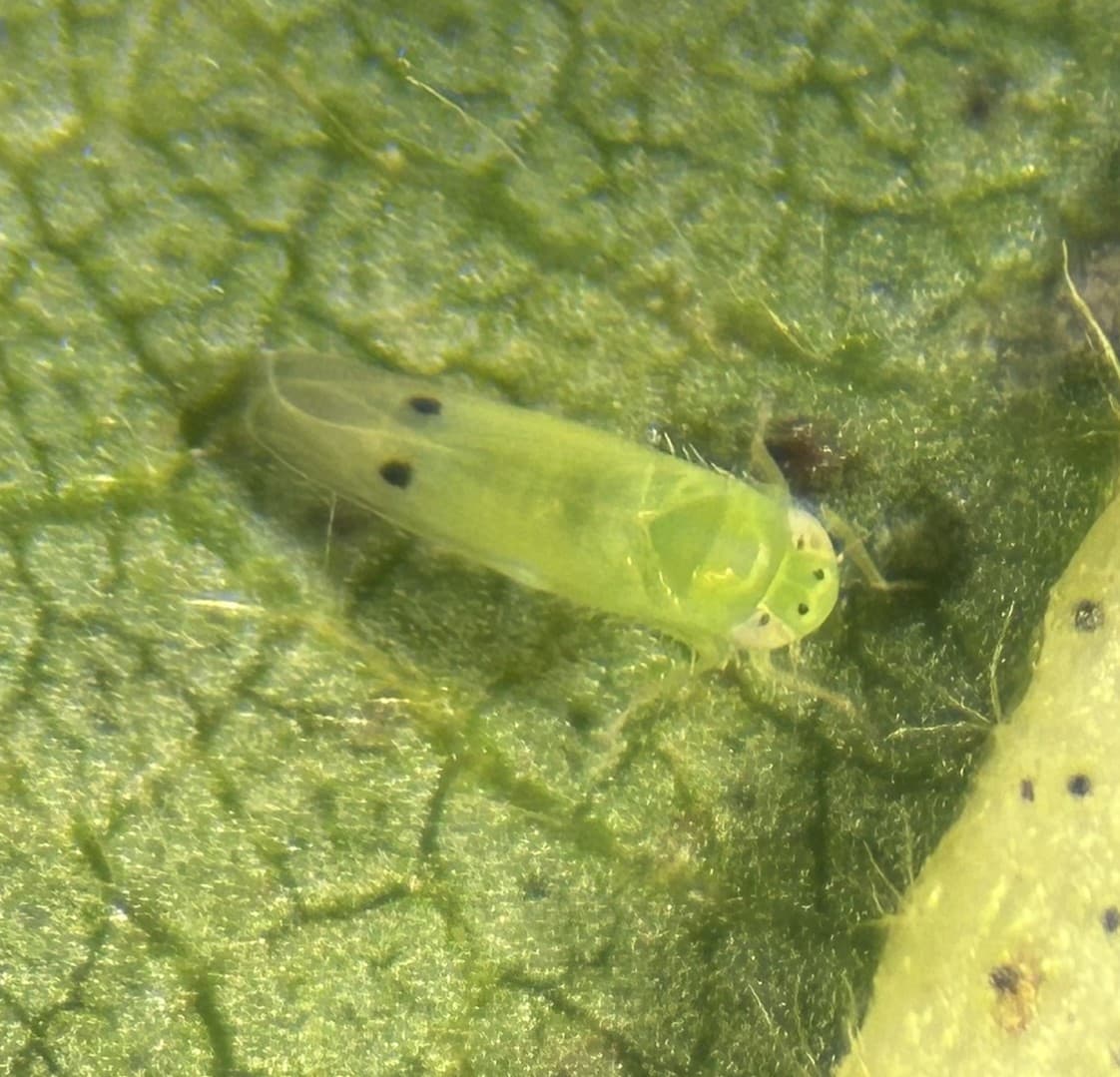
Scott Graham of Auburn University Extension found a single adult cotton jassid at the Prattville experiment station, a small but important sign for Autauga County growers watching for a pest that can damage cotton leaves and pressure yields if it builds. So far, extension specialists say no treatable levels have been reported anywhere in the United States cotton belt.
That matters in Prattville because the find puts a local crop research site inside an active surveillance zone, not because growers need to spray today. Alabama Extension has already issued dedicated updates on cotton jassid, including a confirmation notice and a separate Alabama Cotton Jassid Update, showing that specialists are tracking the insect closely as a 2026 pest concern for cotton across the Southeast.
Graham and UF/IFAS crop entomologist Isaac Esquivel co-authored an April 22 article titled Preparing for Cotton Jassid in 2026: What Growers Need to Know, another signal that extension teams are preparing growers for what could become a broader management issue if populations increase. For farmers and agribusiness suppliers in Autauga County, the immediate impact is likely to be in scouting, advisory calls, and crop-protection planning rather than emergency treatment.
The current concern is rooted in a broader Alabama pattern. The Alabama Department of Agriculture and Industries warned on social media in July 2025 that cotton jassids had been confirmed in Alabama and had already been found in multiple counties, including Autauga, Baldwin, Covington, Escambia, Geneva and Henry. That earlier warning places the Prattville detection in the context of continued statewide monitoring rather than a first-time discovery.
The risk extends beyond cotton alone. On June 12, the Alabama Peanut Producers Association posted that cotton jassid and LCB borer had been detected in Alabama crops and urged peanut growers to closely monitor fields after Graham’s reports. Even where jassid numbers remain low, repeated extension alerts can influence how farmers budget for scouting, where they send crews, and when they decide to buy insect control inputs.
Auburn and Alabama Extension are still publishing material on the pest, including Scott H. Graham’s July 1, 2026 2025 Agronomic Crops Team Impact Report. For Autauga County growers, the Prattville find is a reminder that one insect in a research field can be the first local marker of a problem worth watching long before it reaches treatment thresholds.
This article was produced by Prism’s automated news system from verified source data, official records, and press releases, then run through automated quality and moderation checks before publishing. The system is built and supervised by the people who set the standards it runs under. Read our full AI policy.
Did this article answer your question?