Elmore Juvenile Probation Officer John Findley Retires After Long Service
John Findley celebrated his retirement on December 29, 2025 after 32 years and 8 months as a juvenile probation officer serving Elmore County. His departure marks the end of a career focused on supervising youths on probation, developing rehabilitation plans, and building partnerships with courts, schools and families that shaped local early intervention efforts.
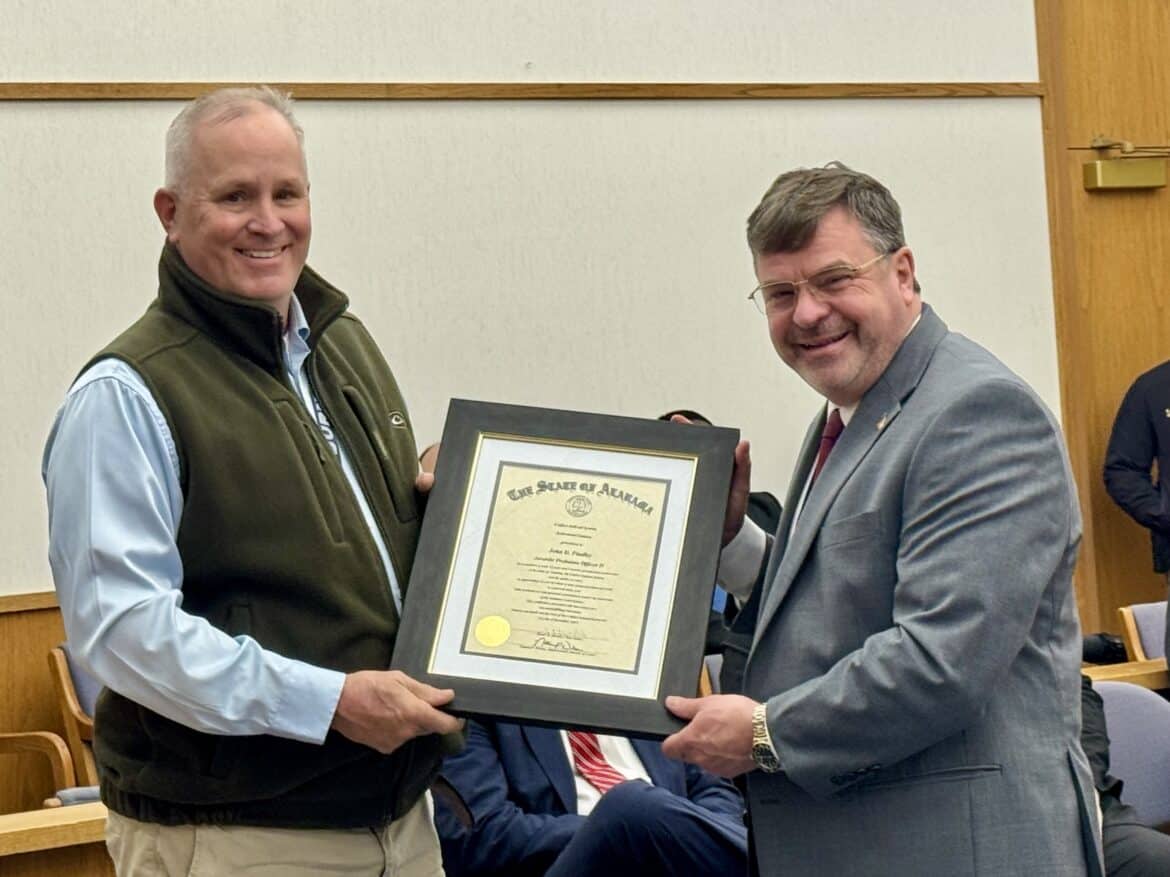
John Findley formally retired from his role as a juvenile probation officer for Elmore County on December 29, 2025, closing a career that spanned 32 years and 8 months. Throughout his tenure he worked directly with juveniles on probation, crafting rehabilitation plans and coordinating with the court system to keep at risk youth engaged with services designed to prevent future offenses.
Findley’s work extended beyond supervision. He routinely partnered with school administrators, families and judges to address behavioral issues before they escalated into more serious legal problems. Local officials and colleagues praised his quiet leadership and long term positive impact on youth and school communities. District Judge Ben Baxley and Elmore County school leaders acknowledged Findley’s steady role in supporting law and order efforts in schools and in helping administrators manage challenging student situations.
For residents of Autauga County the immediate effect may be indirect, but the implications are practical and local. Juvenile justice systems in neighboring counties share similar challenges and strategies, and the relationships Findley cultivated with educators and the courts have been part of a broader regional approach to early intervention. Schools rely on consistent contact with probation officers to navigate complex student needs, and transitions in key public safety roles can affect the pace and continuity of those supports.
The Elmore County probation office will face the operational work of filling the vacancy and ensuring ongoing cases proceed without disruption. Maintaining collaborative ties with school districts will be essential, and local administrators may need to reinforce internal protocols that complement probation supervision. Families who have worked with Findley over the decades will be watching how new personnel uphold rehabilitation plans and connections to community resources.
Findley’s retirement arrives at a moment when communities across the state are emphasizing prevention and rehabilitation as central to juvenile justice. His decades of service underscore the importance of sustained relationships between courts, schools and families in keeping young people on a constructive path. As Elmore County officials move forward with succession planning, the experience and partnerships he leaves behind will inform how local systems continue to balance accountability with support for youth.
This article was produced by Prism’s automated news system from verified source data, official records, and press releases, then run through automated quality and moderation checks before publishing. The system is built and supervised by the people who set the standards it runs under. Read our full AI policy.
Did this article answer your question?