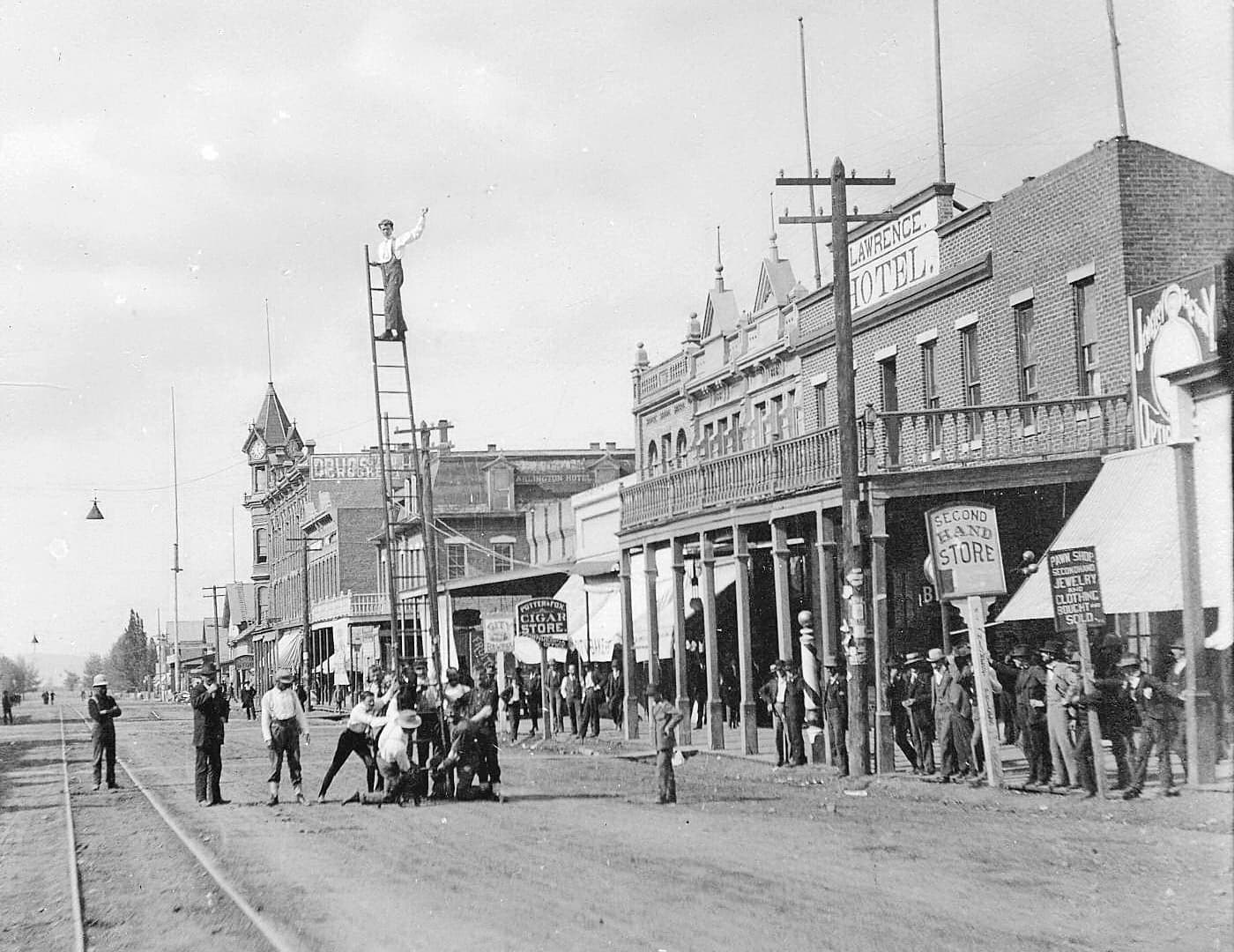
Baker City adopts high-tech pavement survey to prioritize street repairs
Baker City’s new pavement survey could steer scarce road dollars toward the worst streets first, using cameras and lasers instead of a guess from behind the wheel.

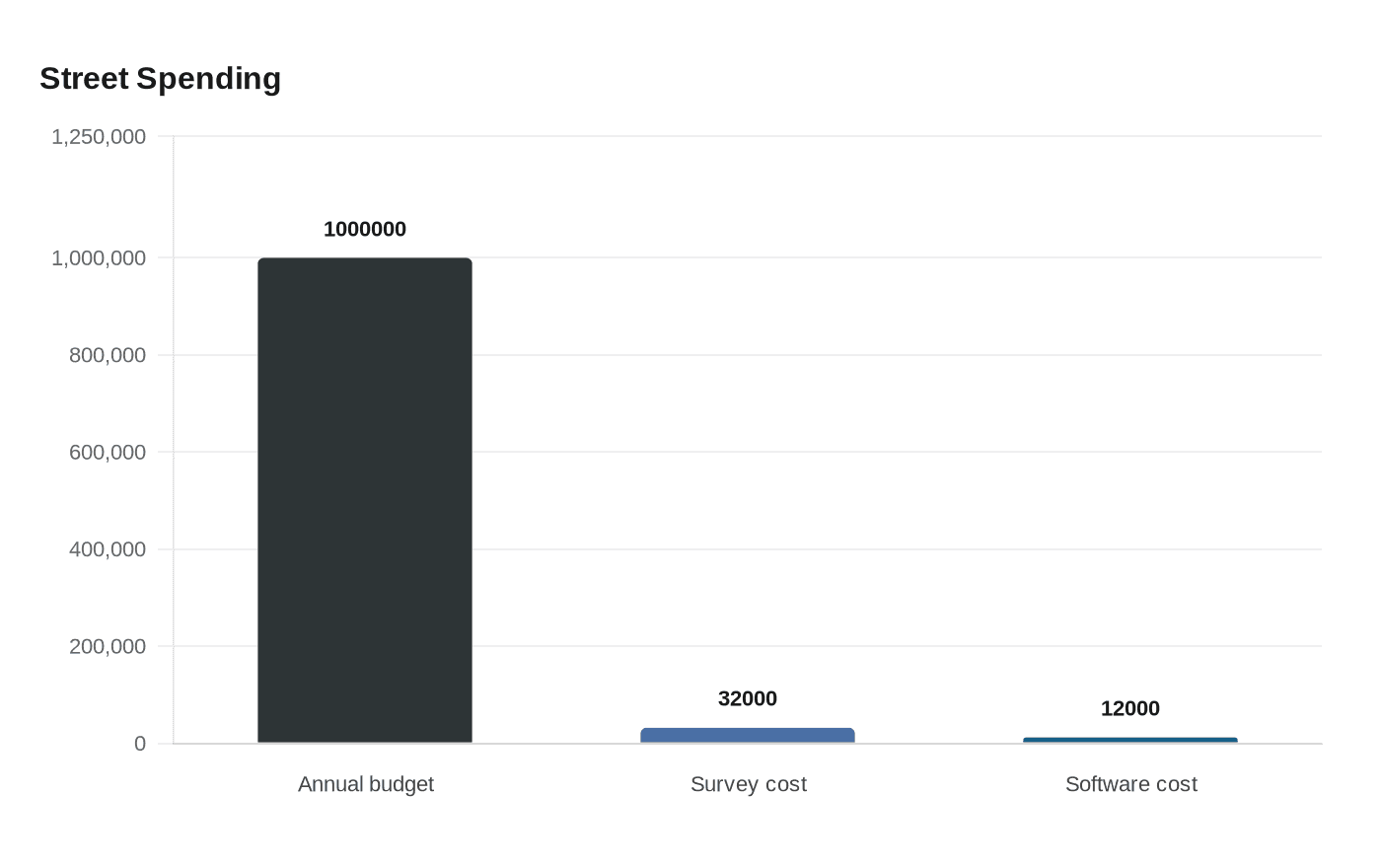
With only about $1 million a year to spend on street maintenance and repairs, Baker City is changing how it ranks cracks, potholes and rough pavement before crews decide which blocks get work first.
City officials recently used a high-tech pavement survey to build a more precise condition report for the city’s 63-mile paved network, replacing the older practice of sending public works employees out to drive each street and rate it by eye. City Manager Barry Murphy said the traditional system had value, but it took too much time. Public Works Director Danielle Schuh told councilors in a memo that the old approach lacked the precision, consistency and data depth of newer tools.
The survey was done by Infrastructure Management Services of Florida, which drove Baker City streets in a van fitted with high-resolution 2-D and 3-D cameras, lasers, accelerometers and GPS antennas. The equipment captured images fine enough to measure cracks and other pavement flaws, while also tracking wheel movement to gauge how smooth each street felt to drivers. The work cost $32,000 and produced a 37-page report that graded every street on a 0-to-100 scale and projected how conditions would change over five years under different spending levels.
That baseline matters because Baker City must choose between preserving streets before they fail and rebuilding those already in bad shape. The city’s 2023 Pavement Management Plan said an engineering technician traditionally drove each paved street in the fall, rating ride quality, surface cracking, trench settlement, drainage issues and other defects. Each street began at 100 points, then lost points for damage. The city’s 2022 pavement memo was blunt about the problem, saying there are always more streets to work on than there is time and money, and calling the network a decades-long funding struggle.
Murphy said the city does not plan to depend on an outside consultant every few years. Instead, Baker City expects to spend about $12,000 on Vialytics software, which would let employees use an iPhone-based system to update pavement data while they are already driving regular routes. If it works as planned, the city will be able to refresh its street data more often and make repair choices with better evidence.
The broader pressure is not unique to Baker City. The League of Oregon Cities said in its 2024 Street Conditions Survey that 78% of responding cities rated their roads Fair, Poor or Very Poor, and Oregon counties and cities must report pavement and bridge condition data to the Oregon Department of Transportation by Feb. 1 of every odd-numbered year. Baker City’s seven-member Public Works Advisory Committee is charged with advising the council on street construction, maintenance and other public works matters, and the new survey gives that process a sharper set of numbers to weigh.
That urgency is underscored by the city’s own paving plans. Baker City projected chip sealing about 3.17 miles of streets in 2022 and about 2.69 miles in 2023, a small fraction of the network the city must keep passable for residents, businesses and city services.
This article was produced by Prism’s automated news system from verified source data, official records, and press releases, then run through automated quality and moderation checks before publishing. The system is built and supervised by the people who set the standards it runs under. Read our full AI policy.
Did this article answer your question?