Baker City explains 2026-27 budget process in public updates
Baker City is breaking its 2026-27 budget into plain-language updates, giving residents a clearer look at the funds behind streets, safety, utilities and fees.
Baker City opens the books on the 2026-27 budget
Baker City is trying to make one of its most consequential government tasks easier to follow: the annual budget that decides how the city pays for street work, public safety, utilities, parks, planning and the rest of the municipal basics residents rely on every day. Instead of waiting for a final vote and handing the public a thick packet at the end, city staff have begun explaining the process in a series of public updates that spell out how the budget is built, how it moves through approval, and why the city uses separate funds for different services.
That effort matters because local budgets are not abstract bookkeeping exercises. In Baker City, they shape the condition of roads, how quickly police and fire can respond, whether water and sewer systems get the work they need, and how much the city can support parks and other neighborhood services. The city’s decision to describe the process in plain language signals that officials know many residents want a clearer view of where tax dollars go and what limits city leaders face when they try to move money from one purpose to another.
What the city is explaining
The city’s first public explanation, posted on social media on Thursday, April 30, said the 2026-27 budget process is underway and that Baker City wants to explain both how the budget is built and how it gets approved. A follow-up post on Monday, May 4, shifted the focus to the city’s different funds and what each one is used for. That is the heart of the “follow the money” story: city budgets are not one single pool, but a set of accounts tied to specific duties and legal rules.
Future posts are expected to keep walking through how those funds operate and where the money comes from to pay for different services. For households, that kind of transparency can make the budget feel less remote. It helps explain why a city may have money in one place but not another, why some dollars are reserved for one service, and why the cost of maintaining a street or repairing a utility line can affect what residents pay in fees or taxes elsewhere in the system.
How the process works in Baker City
Baker City’s budget materials say Oregon’s Local Budget Law is designed to standardize budget preparation and provide a way for the public to participate. The city’s Budget Board says it works with the City Council to review and set the budget, which means residents are not watching a closed internal exercise but a formal process with public milestones and legal guardrails.
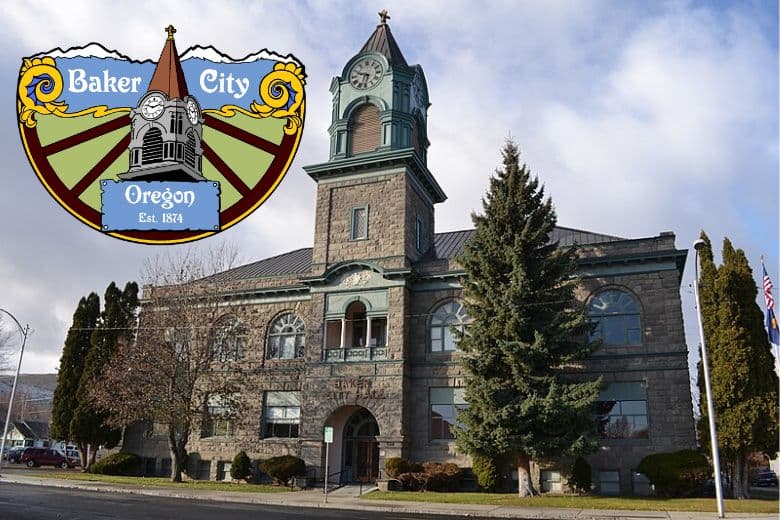
The city has now posted a Notice of Budget Committee Meeting for the fiscal year July 1, 2026 to June 30, 2027. That meeting will take place at Baker City Hall, 1655 First Street, in the City Council Chambers. The location matters because it is the room where the city’s most visible financial decisions are discussed in public before the budget is finalized.
The city’s meeting materials page also says City Council meetings are held at 6:00 p.m. in the Council Chambers at 1655 1st St. and can be streamed online. That gives residents two ways to follow the budget season: in person, where questions and discussion are easiest to watch closely, or online, where the process is still visible even if you cannot make it downtown.
Why the budget affects daily life
The strongest case for paying attention to this budget is not found in a spreadsheet but in daily service delivery. Baker City’s own materials make clear that the adopted budget is the city’s legal budget, which means the final document is more than a wish list. It is the blueprint that authorizes the work city departments can actually do over the coming year.
That is especially important in a city where staffing changes can ripple through multiple departments at once. Baker City’s 2025 annual report says the city added eleven new hires in 2025 across Public Works, Building, Administration, Fire and Police. That detail is a reminder that budget choices are tied directly to whether there are enough employees to keep roads maintained, permits processed, emergency response supported and administrative work moving. The staffing side of the budget is not a side issue. It is one of the main ways residents feel whether local government is keeping up with demand.
For Baker County residents who rely on city services, the practical questions are straightforward: Are streets getting attention? Are public safety resources adequate? Are utility systems funded well enough to avoid bigger problems later? Are fees rising because a fund cannot legally be used for something else? These are the pressure points that budget season exposes.
What residents can watch for next
The city’s public updates suggest a more step-by-step explanation is coming, and that is useful because budget season often becomes hardest to follow precisely when it matters most. As the city explains each fund, residents will be able to see which dollars support day-to-day services and which are restricted to specific uses. That should make it easier to spot where the biggest spending buckets are, where the tightest constraints sit, and whether any part of the budget could change the cost of municipal services for households this year.
If you want to track the process closely, the city has already identified a clear point of contact. Finance Director Jeanie Dexter handles budget questions at 541-524-2048. That gives residents, business owners and reporters a direct line into the process as committee meetings begin and the city moves toward setting the legal budget.
Baker City’s latest updates do not announce a dramatic cut or a controversial tax increase. They do something more revealing: they show the city understands that budget power is real power, and that public trust starts with making that power legible before the decisions are locked in.
This article was produced by Prism’s automated news system from verified source data, official records, and press releases, then run through automated quality and moderation checks before publishing. The system is built and supervised by the people who set the standards it runs under. Read our full AI policy.
Did this article answer your question?