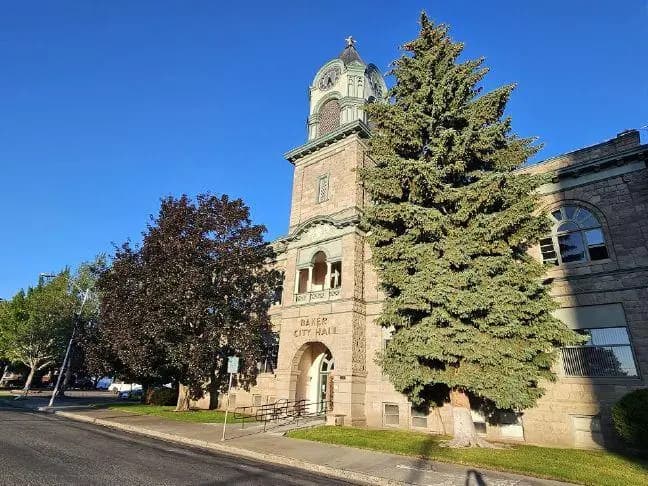
Baker City leans on backup water sources amid system strain
Baker City is drawing hard on backup water as its watershed runs low, raising questions for household use, firefighting readiness and how long the strain will last.
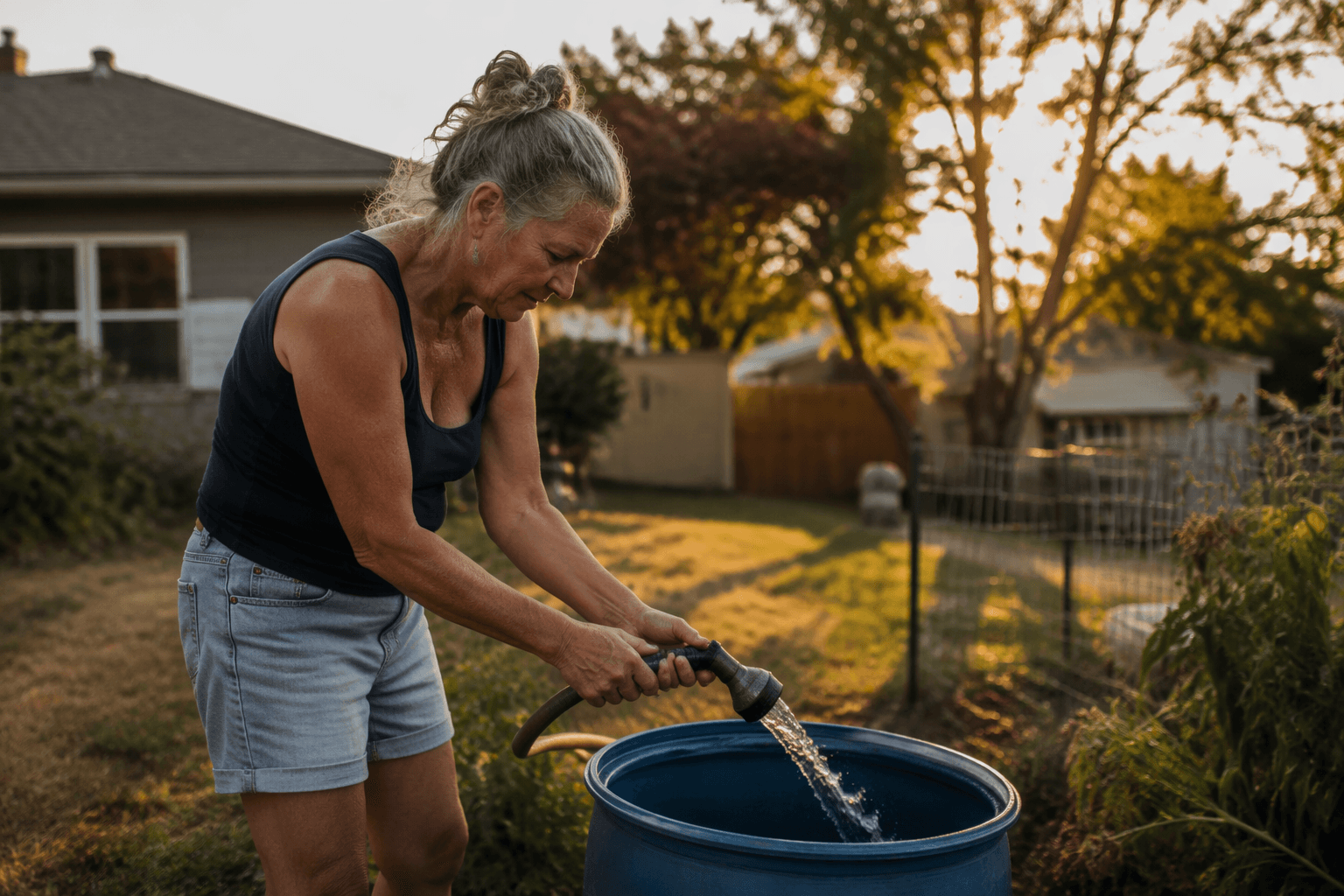
Baker City was relying heavily on supplementary water sources on July 14 as its main watershed produced much less water than usual, a shift that puts the city’s everyday supply, business operations and firefighting capacity under closer strain. In plain terms, supplementary water sources are backup supplies beyond the city’s primary source, used when the main system is not producing enough to carry the load on its own.
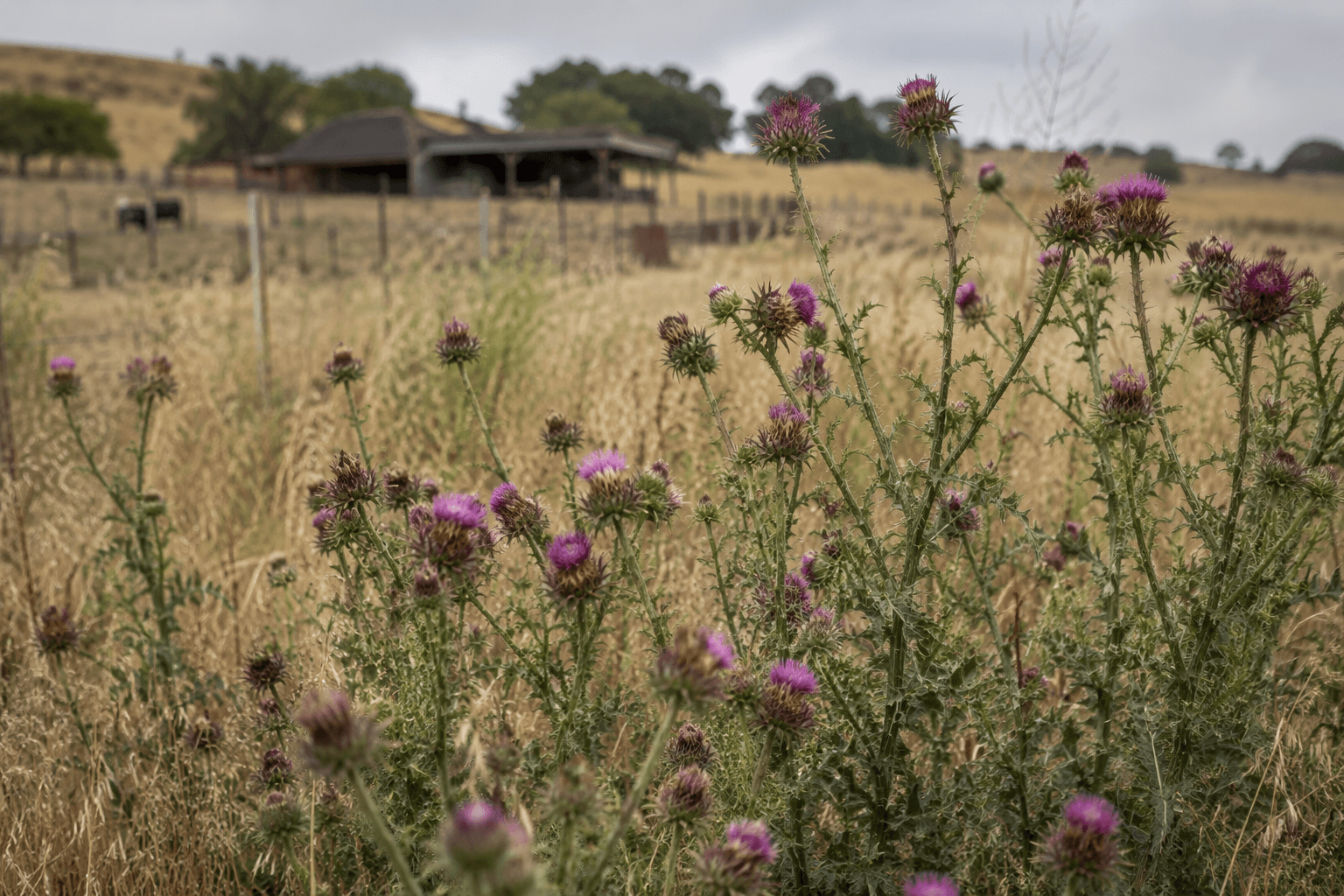
The need to lean on those backups comes after months of dry conditions across eastern Oregon. Gov. Tina Kotek declared a drought emergency for Baker County, Deschutes County and Umatilla County on March 31, saying forecasts pointed to below-normal precipitation and reduced water supply. State reporting put statewide snowpack at 29% of normal in early spring, a reminder that Baker City’s water concerns are part of a wider regional shortage, not a one-day problem.
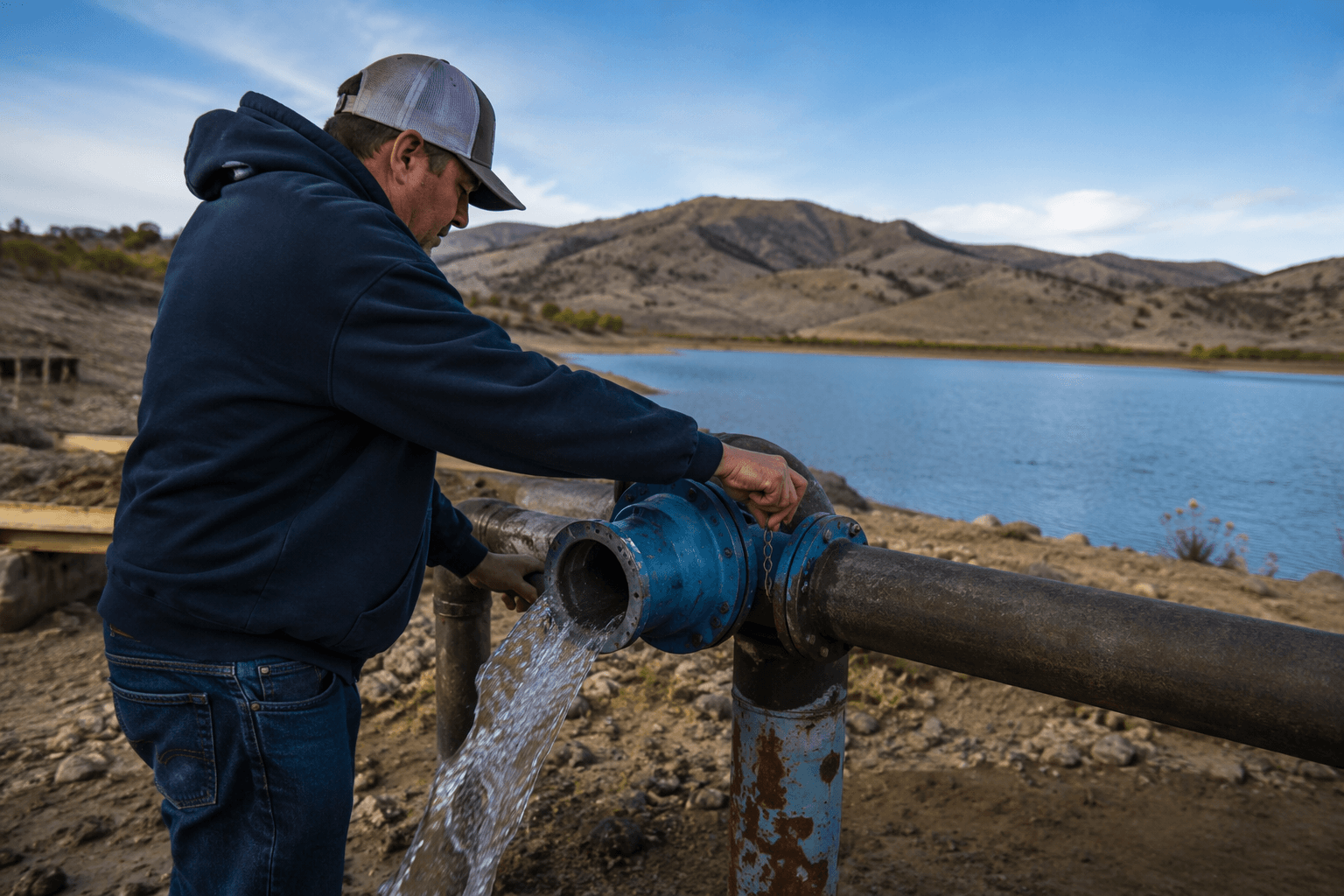
Local officials have been warning residents for weeks to cut back. On May 26, Baker City official Dennis Bachman urged people to use water more efficiently to help the city get through a below-average supply. By June 17, the city’s water use was rising, but Baker City still had two sources to tap as summer heated up. That same report said the watershed, the city’s main source, was producing much less water than usual, while Phillips Reservoir, about 16 miles southwest of Baker City, was at about 40% of capacity.
The strain has also shown up in the system itself. A water line break on May 3 triggered a boil order for a small area of Baker City, and a city Facebook update said the discoloration that followed may have been caused by pressure changes as crews worked to recharge the lines. Baker City’s website lists Tommy Hayes as the normal-business-hours contact for water emergencies at 541-519-8026, with after-hours calls going to dispatch.
The city has also been working on watershed protection in a year marked by wildfire danger in northeast Oregon. That overlap of drought and fire risk makes the July 14 reliance on supplementary sources more than a routine utility update. It shows Baker City is trying to keep water flowing now while protecting the system for hotter, drier days still ahead.
This article was produced by Prism’s automated news system from verified source data, official records, and press releases, then run through automated quality and moderation checks before publishing. The system is built and supervised by the people who set the standards it runs under. Read our full AI policy.
Did this article answer your question?