Baker County deputy completes probation academy, returns to duty
Deputy McKenna Mahoney returned to Baker County’s parole and probation unit after graduating from Oregon’s basic academy, adding trained capacity to a small team that supervises offenders and manages an eight-bed transitional house.
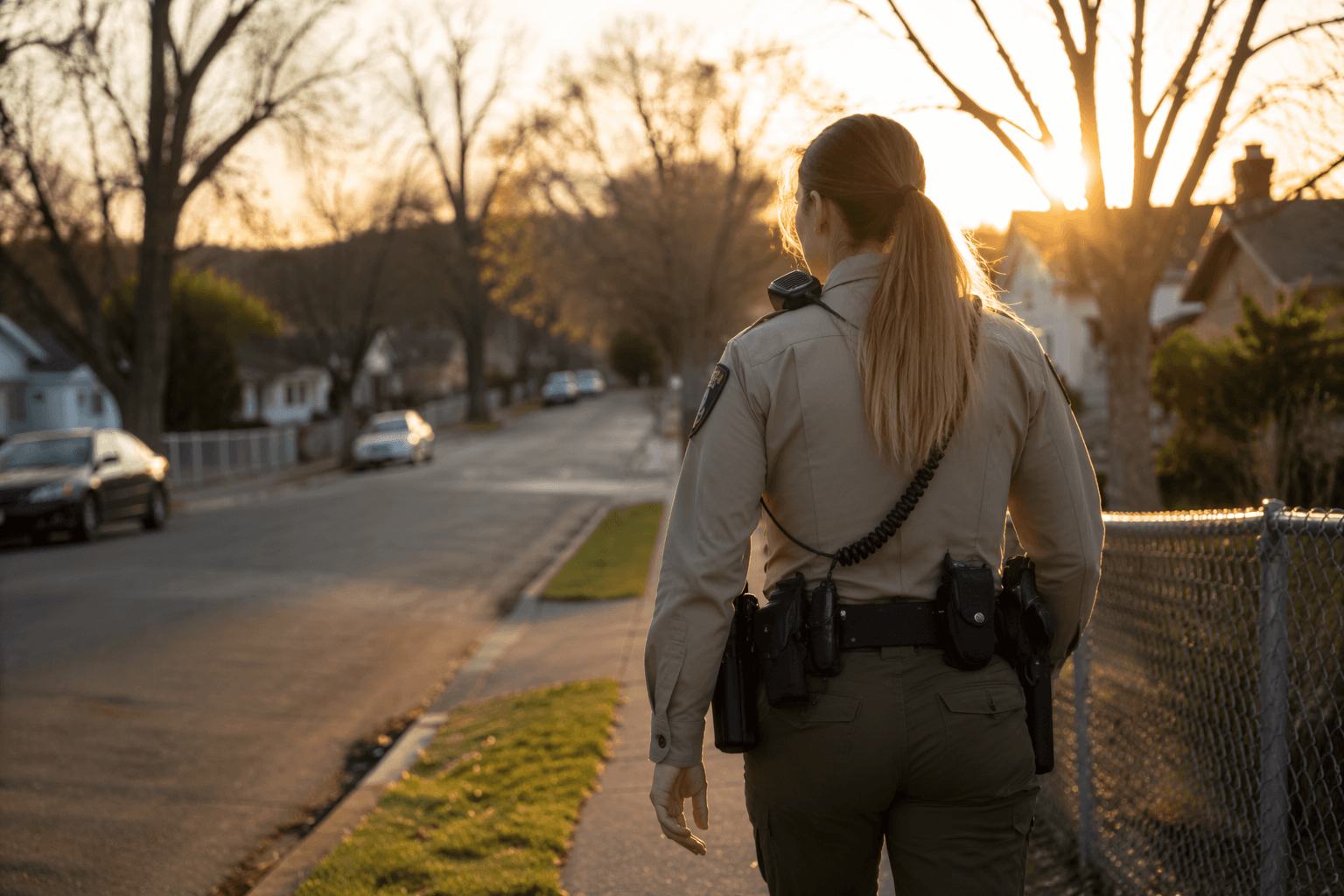
Deputy McKenna Mahoney has returned to the Baker County Sheriff’s Office Parole and Probation Division after graduating from the Oregon Department of Public Safety Standards and Training’s Basic Parole and Probation Academy, a step that directly affects how much supervision and field coverage the county can provide.
For Baker County, where the 2020 Census counted 16,668 residents, that matters. The sheriff’s office says its Parole and Probation Division is supervised by a lieutenant and includes three probation and parole deputies plus a parole and probation clerk, a small staffing structure carrying a wide workload in Baker City and across the county.
The division’s day-to-day work reaches far beyond office paperwork. Baker County Sheriff’s Office says parole and probation officers supervise offenders in the community, monitor conditions ordered by the courts and the Oregon Board of Parole and Post-Prison Supervision, and work to effect change in people under supervision. The office also manages an eight-bed transitional house for male offenders, providing safe and sober housing for indigent offenders. Mahoney’s return adds another trained deputy to that mix of supervision, compliance checks, investigation and community contact.
DPSST says Basic Parole and Probation certification is required for full-time parole and probation officers in Oregon, and it applies to officers whose primary duty is community protection through supervision, investigation and referrals tied to post-prison supervision or adults on parole or probation. The academy is open only to people already employed by an Oregon police, corrections, parole and probation agency, or a public safety dispatch center.
That training pipeline is built to prepare officers for the realities of the job. DPSST says certification and advancement begin with basic training at the academy and completion of the appropriate field training manual. It also says officers who move into supervisory or management roles must complete leadership training within one year of promotion. In a rural county, those standards are more than formalities: they shape whether the sheriff’s office can keep supervision consistent, respond to violations quickly and maintain coverage when staffing is stretched.
Mahoney’s graduation therefore was more than a personnel update. It marked the return of a certified deputy to a division that carries a broad public-safety load from its office at 3425 13th St. in Baker City, and it gave the Baker County Sheriff’s Office a little more depth in a part of the system that helps keep court supervision from slipping through the cracks.
This article was produced by Prism’s automated news system from verified source data, official records, and press releases, then run through automated quality and moderation checks before publishing. The system is built and supervised by the people who set the standards it runs under. Read our full AI policy.
Know something we missed? Have a correction or additional information?
Submit a Tip