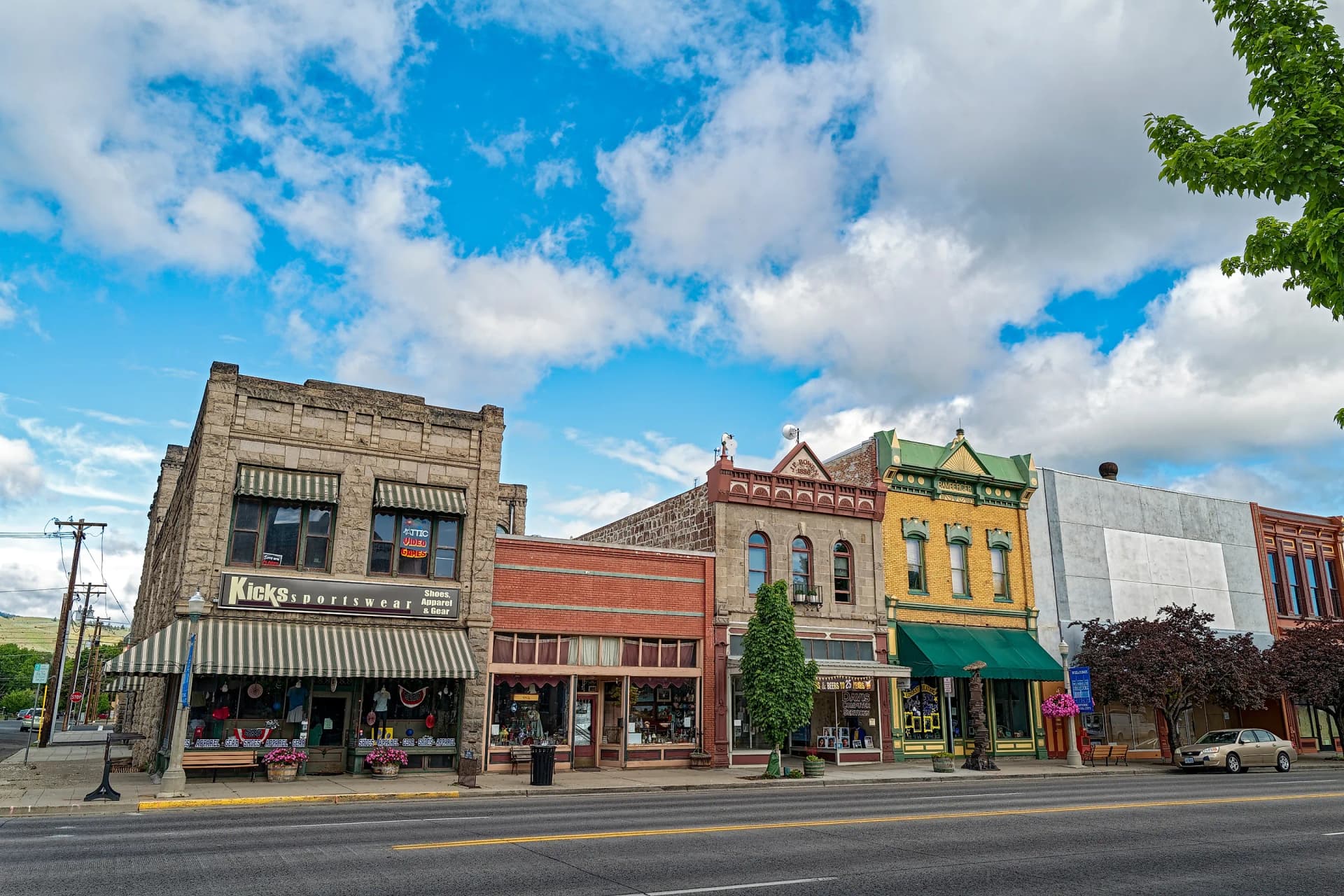
Baker County tires find new life in turf and sports fields
Old tires in Northeastern Oregon may become turf and track material instead of piling up. The payoff could be lower hauling costs for Baker County and better surfaces for schools.

Old tires in Northeastern Oregon are getting a second life that could matter far beyond the recycling bin. A June 10 Baker City Herald business item, “From tires to turf,” pointed to a practical local question: whether a difficult waste stream can be turned into material for athletic fields, playgrounds and other public surfaces instead of sitting in stockpiles or heading to disposal.
That matters in Baker County because whole tires are not supposed to go into landfills in Oregon, and the state’s waste tire program is built to regulate collection and storage while encouraging alternatives to disposal. The Oregon Department of Environmental Quality warns that illegal tire piles can breed mosquitoes, catch fire and contaminate air and water, which gives every discarded tire a public cost long before anyone talks about recycling.
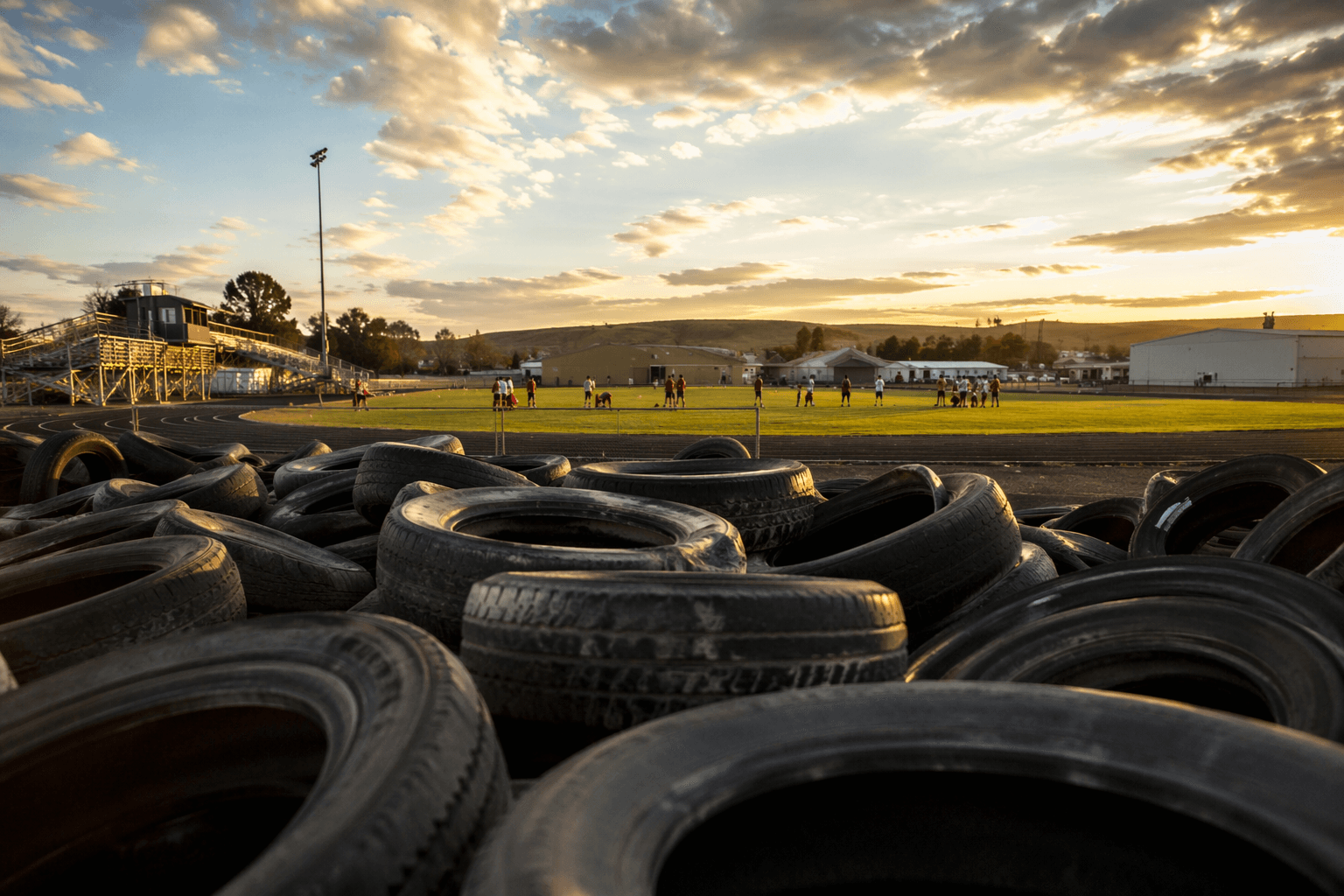
The path for one tire is straightforward but not cheap. It starts as a bulky item that is hard to store, move and manage. A local hauler such as Baker Sanitary Service, which says it has served Baker County since 1962, can collect it and move it into the waste system. From there, the tire can be processed into ground rubber or other crumb-rubber products that have markets beyond simple disposal. Those uses include road construction, ground cover under playground equipment and running-track material, according to the U.S. Environmental Protection Agency.
The most visible local promise is on schools, parks and sports fields. The Consumer Product Safety Commission continues to direct communities and officials to federal research on recycled tire materials used in playground surfaces and synthetic turf fields, keeping the issue squarely in the public-infrastructure lane. For Baker County, that means a tire that once cost money to haul away could, in the right market, become part of a surface used by students, athletes and park users.
Still, the benefits are not automatic. A recycled-tire outlet can reduce hauling and cleanup burdens for cities, schools and county programs, but it does not erase collection costs or guarantee a cheap turf solution for every project. The real value is more limited and more practical: a nearby market for scrap tires can keep material closer to home, cut down on dumping pressure and give public agencies another option when they plan athletic and recreation work.
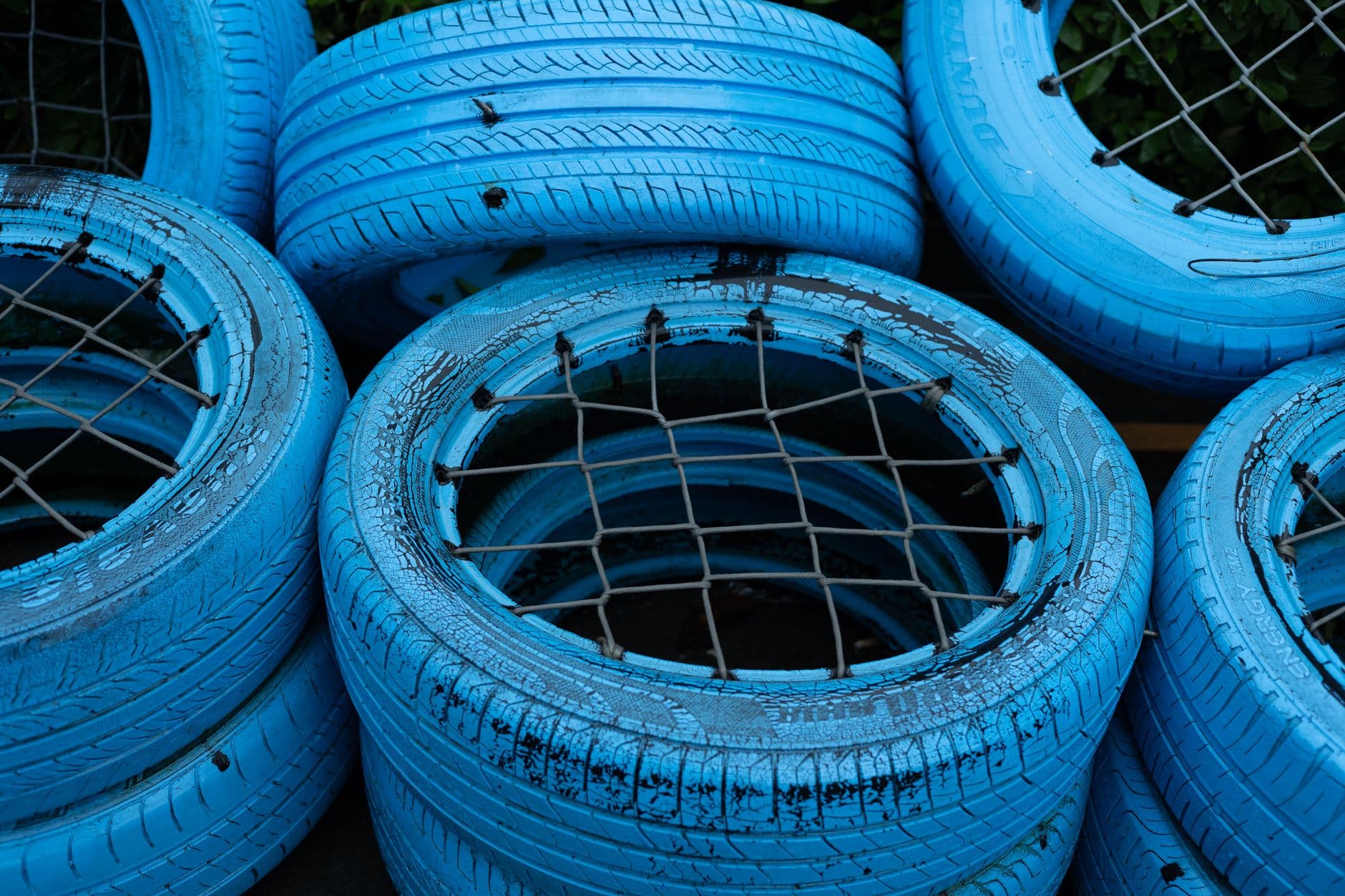
In a county where small businesses often have to solve everyday problems with few extra resources, that is the real story. One tire can move from nuisance to commodity, and the public stands to gain when the system works well enough to keep it out of a pile in the first place.
This article was produced by Prism’s automated news system from verified source data, official records, and press releases, then run through automated quality and moderation checks before publishing. The system is built and supervised by the people who set the standards it runs under. Read our full AI policy.
Did this article answer your question?