Baker County weed board surveys support for 2027 levy vote
A 2027 weed levy test is underway after Baker County voters rejected the tax 5,959 to 3,255, threatening herbicide giveaways and $500 reimbursements.
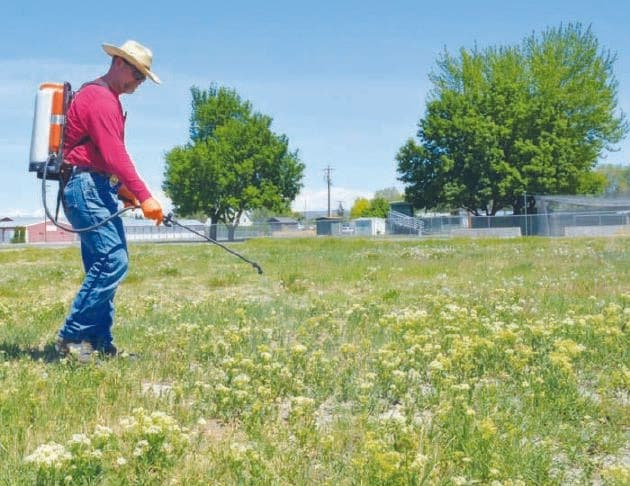
If Baker County loses weed levy support again, property owners, ranchers and public land managers could lose herbicide giveaways, cost-share reimbursements of up to $500 and other work meant to keep noxious weeds from spreading across rangeland, pastures and wildfire scars.
The Baker County Weed Board has posted an online survey to gauge whether residents would back putting the noxious-weed tax back on the ballot in 2027, two years after voters rejected a four-year extension twice in 2024. Baker County had approved levy extensions in 2008, 2012, 2016 and 2020, but the measure failed 5,959 to 3,255 in the Nov. 5, 2024 election, 64% to 36%, after turnout reached about 73.4% with 9,660 of 13,169 ballots returned.
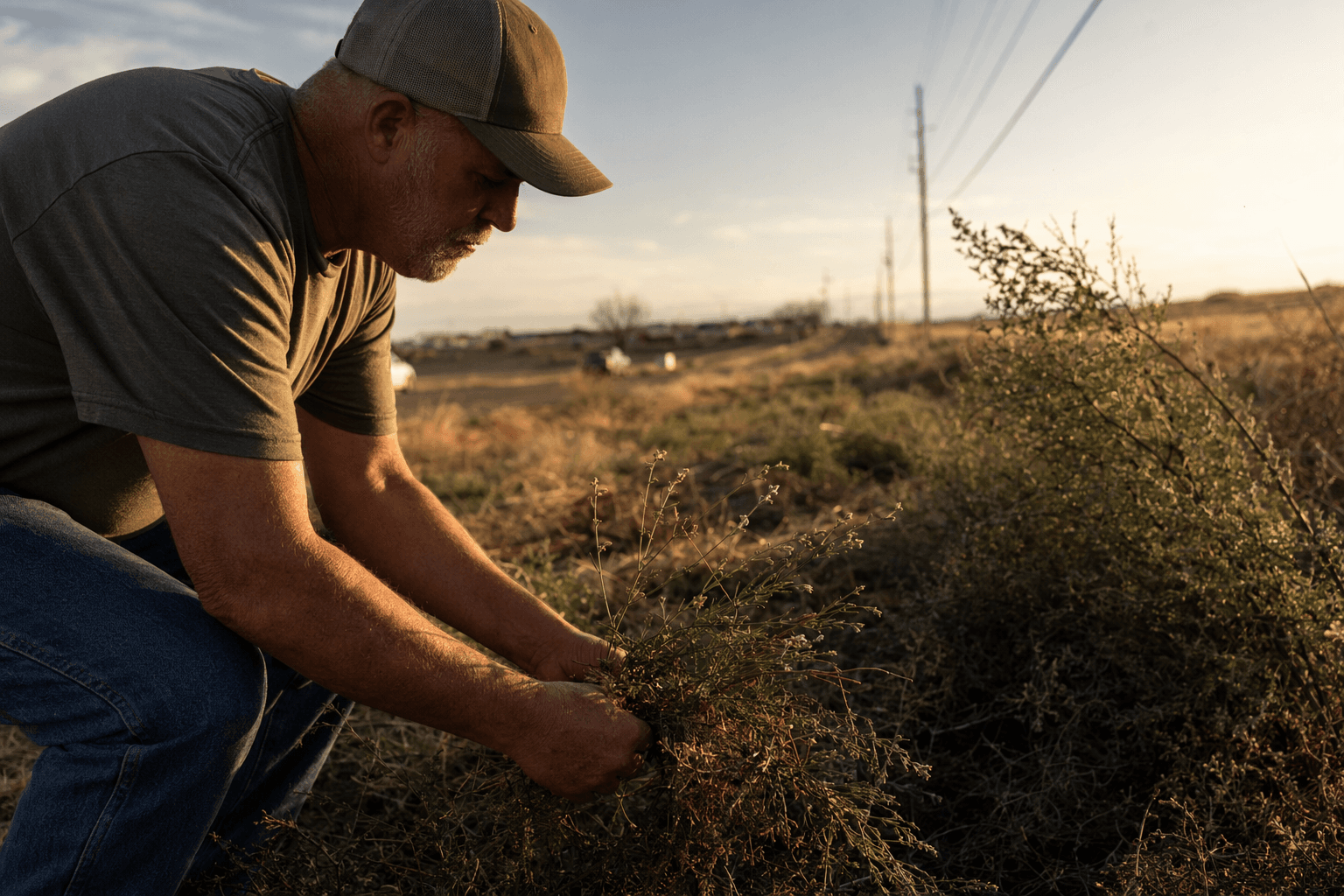
The levy had brought in about $86,000 a year, money that one report said made up about 22% of the weed department’s fiscal 2022-23 budget, while another described it as roughly 30% of the department budget. The proposed rate was about 6.6 cents per $1,000 of assessed value, which would have added about $13.20 a year to a property assessed at $200,000. Even so, the county could not overcome voter fatigue in a year when residents were already weighing other local choices.
With that local revenue gone, the Baker County Weed District has leaned more heavily on grants and outside money from state and federal programs and agreements with partners such as Union Pacific Railroad. Weed supervisor Gussie Cook is still applying for that funding, according to weed board chair Craig Ward, and the district has kept operating, but with less tax support than it had for many years.

The pressure on weed control only grew after the Durkee Fire started on July 17, 2024 and burned 294,000 acres in Baker and Malheur counties. In 2025, the Oregon Watershed Enhancement Board awarded two grants totaling $974,581 for noxious-weed work in the burn area, with the projects set to continue through December 2027 as Tri-County Cooperative Weed Management Area and Cook try to keep weeds from taking over scorched ground. Oregon’s noxious-weed program is built around a state weed list that guides county programs, and Oregon State University Extension says invasive and noxious weeds affect more than 500,000 acres of rangeland and pasture in Eastern Oregon.
Know something we missed? Have a correction or additional information?
Submit a Tip

