Blue Mountains forest plan could triple logging, affecting Baker County
One alternative in the Blue Mountains forest plan could triple logging across 5 million acres. For Baker County, that could reshape mills, road access and wildfire debates.

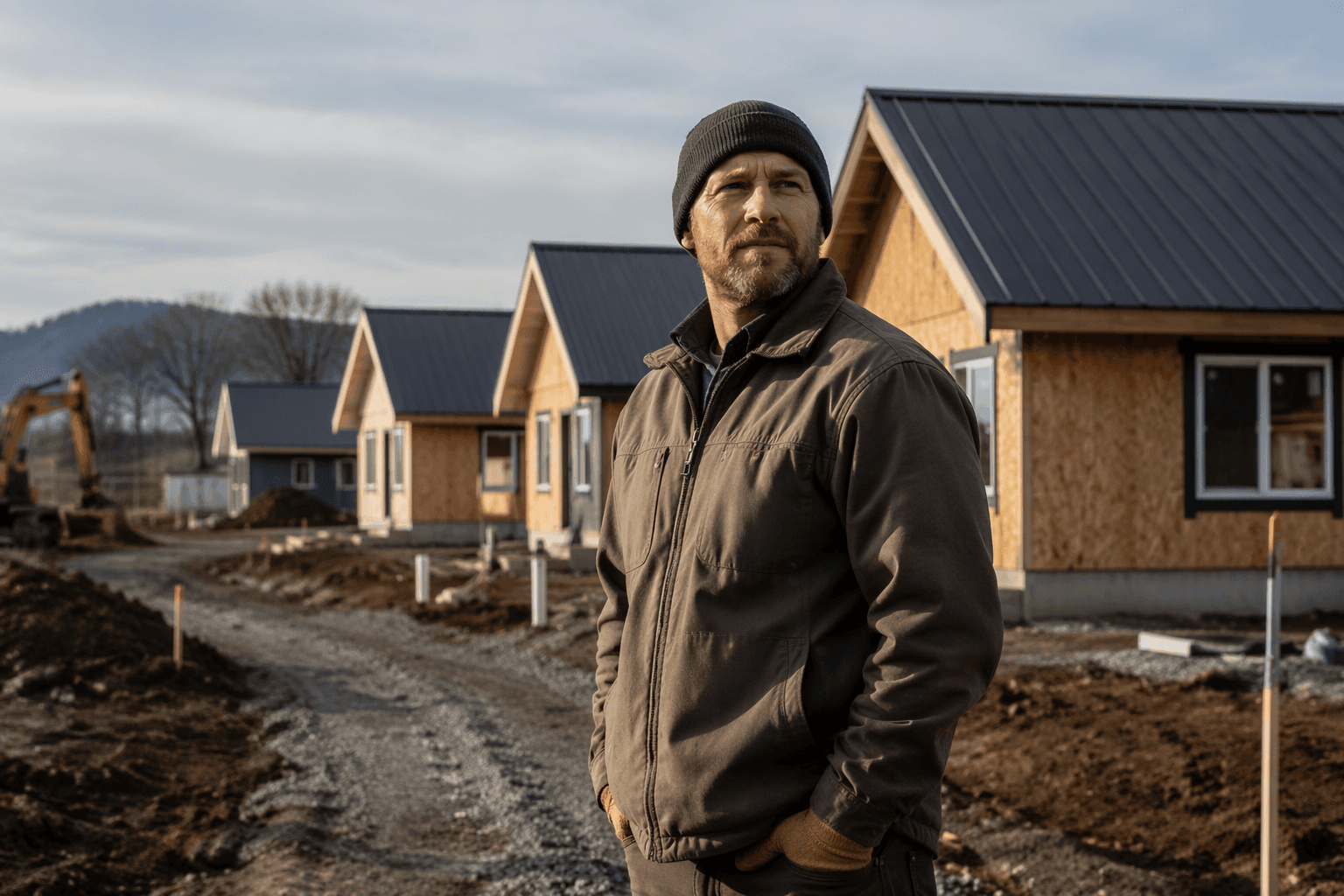
A revised forest plan for the Blue Mountains could triple logging under one alternative, putting Baker County at the center of a bigger fight over timber, roads and wildfire policy. The choice affects the Malheur, Umatilla and Wallowa-Whitman national forests, a planning area that stretches across roughly 4.9 million to 5 million acres in eastern Oregon and southeastern Washington.
The U.S. Forest Service says the current forest plans were signed in 1990 and need to be updated for ecological, social and economic changes over the past 32 years. The agency published a Notice of Intent on August 5, 2025, opening a 60-day public comment period, and its roadmap shows the process moving through draft environmental impact statement work in 2026 with a final plan and record of decision expected in 2027.

For Baker County, the stakes are concrete. More logging could mean more work for local mills, loggers and contractors if timber volume rises, while also reshaping how county residents use national forest roads for hunting, fishing, camping and access to backcountry trailheads. The same plan would also influence how officials weigh wildfire risk reduction, habitat protection and long-term forest health, questions that have long divided eastern Oregon.
The Forest Service’s own assessment materials trace commercial logging in the Blue Mountains back to the 1870s, when the transcontinental railroad linked the region to national lumber markets. Harvest on public land slowed after the national forests were established, and the latest revision effort follows earlier failed attempts, including one that OPB reported collapsed in 2019.
That history helps explain why the current revision is drawing sharp reactions. The American Forest Resource Council and Associated Oregon Loggers have pushed for more active, sustainable forest management and say the draft contains restrictions that are too complex and not grounded in science. The Blue Mountains Biodiversity Project argues the opposite, saying the revision should put stronger weight on wildlife, clean water, carbon storage and old-growth forests.
The unresolved question for Baker County is not whether this plan matters, but how much. Officials have not yet said which tracts would see the biggest harvest changes, but a possible tripling of logging signals a major shift from business as usual in a region where federal forest policy shapes jobs, recreation access and the county’s fire season outlook for years to come.
This article was produced by Prism’s automated news system from verified source data, official records, and press releases, then run through automated quality and moderation checks before publishing. The system is built and supervised by the people who set the standards it runs under. Read our full AI policy.
Did this article answer your question?